


Learn how to use modern clinician portals and apps to detect adverse drug reactions faster, reduce errors, and improve patient safety with real-time tools integrated into your clinical workflow.
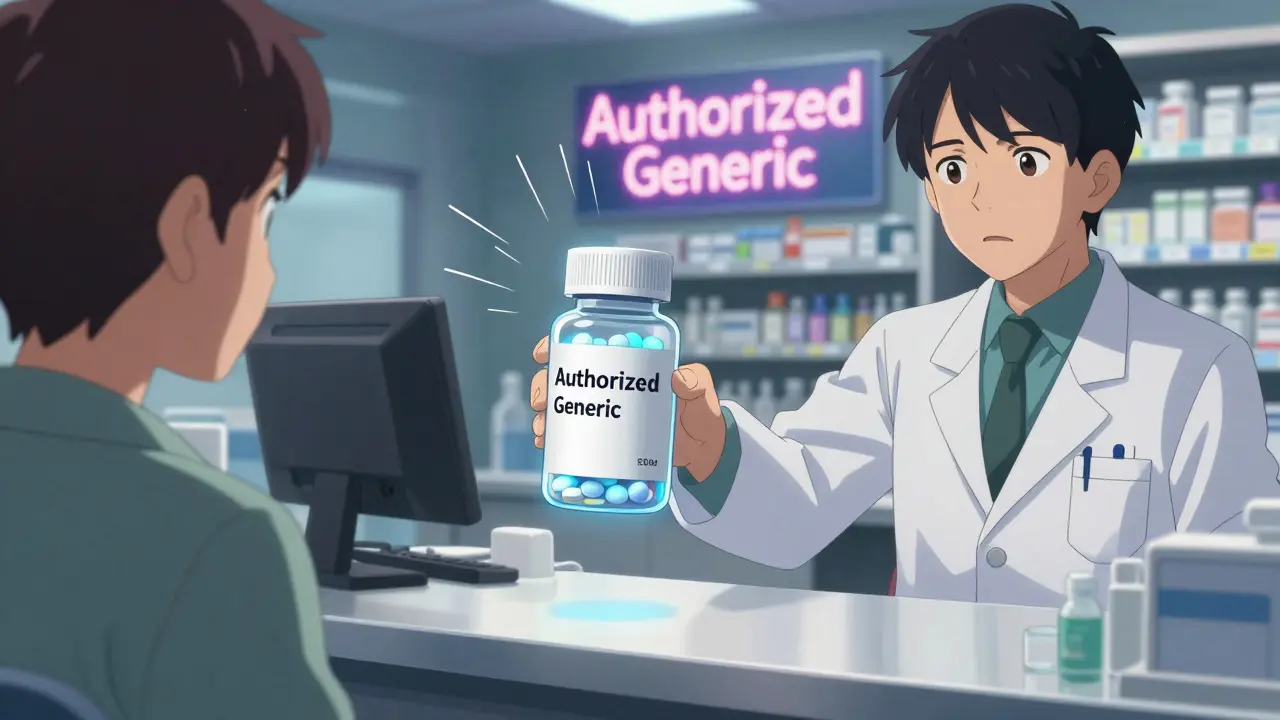
Authorized generics are identical copies of brand-name drugs made by the original manufacturer, launched to compete with generics after patent expiration. They lower prices, maintain consistency, and confuse patients-here's how they work.

Pharmacogenomics reveals how your genes affect how your body processes medications, uncovering hidden drug interaction risks that standard checkers miss. Learn how genetic variants like CYP2D6 and CYP2C19 impact safety and why testing can prevent serious adverse reactions.

Losing your meds while traveling abroad is stressful-but not hopeless. Learn how to replace prescriptions overseas, avoid counterfeit drugs, and get help fast with insurance and local doctors.

Stevens-Johnson Syndrome and Toxic Epidermal Necrolysis are rare but deadly drug reactions that cause skin to blister and peel. Recognizing early symptoms and stopping the drug immediately can save lives.

Learn the correct step-by-step method for using asthma inhalers with spacers and masks in children. Discover why technique matters more than the device, common mistakes to avoid, and how to get kids to cooperate - backed by pediatric research.

Nociceptive pain comes from tissue injury - not nerve damage. Learn when NSAIDs like ibuprofen beat acetaminophen, how they work, and how to use them safely for sprains, strains, and inflammation.

Learn how to safely manage potassium, phosphate, and magnesium imbalances in clinical settings. Understand critical thresholds, replacement protocols, and the vital link between these electrolytes for better patient outcomes.

GLP-1 agonists like Ozempic and Wegovy cause nausea and GI issues in over 40% of users. Learn why it happens, how long it lasts, and proven ways to manage it without quitting the drug.

Apixaban, rivaroxaban, and dabigatran are all blood thinners, but their side effects differ significantly. Apixaban has the lowest risk of GI bleeding and heart attacks, making it the safest choice for most patients.

Nasal steroid sprays are the most effective treatment for allergic rhinitis, reducing inflammation to relieve congestion, sneezing, and runny nose. Learn how they work, how to use them right, and why they beat antihistamines and decongestants.

Over 95% of people labeled penicillin-allergic aren't truly allergic. Learn how testing can remove false labels, improve treatment, reduce antibiotic resistance, and save money.