


Forgetting to take your pills isn’t just annoying-it’s dangerous. Around 50% of people on long-term medications don’t take them as prescribed, and for seniors managing five or more prescriptions, the risk of missed doses, overdoses, or hospitalizations skyrockets. The good news? Technology is finally catching up to this problem. Smart pill caps and dispensers aren’t sci-fi gadgets anymore-they’re real, proven tools helping people stay on track without relying on memory alone.
Why Forgetfulness Breaks Medication Routines
It’s not laziness. It’s not lack of care. It’s cognitive overload. People over 65 take an average of four prescriptions daily, and many of them have memory issues, vision problems, or hearing loss. A 2023 AARP survey found that 54% of seniors take more than four medications every day. When you’re juggling pills for blood pressure, diabetes, cholesterol, arthritis, and thyroid issues, your brain simply can’t keep up. Missing one dose can lead to a spike in blood pressure. Skipping a dose of antibiotics can cause a resistant infection. Forgetting insulin? That’s a trip to the ER.How Smart Pill Caps Work (Without an App)
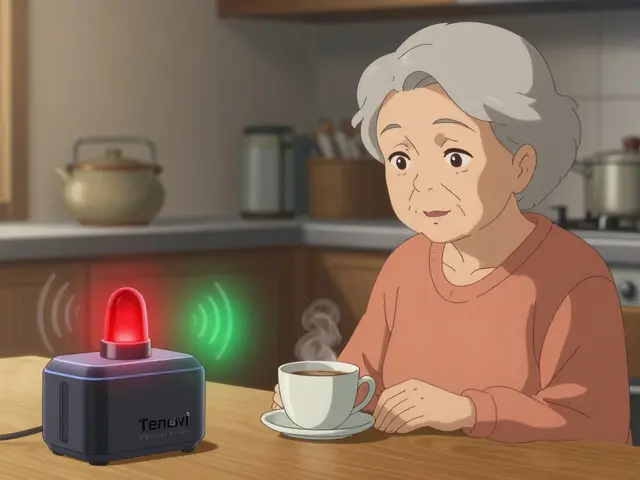
Not all smart pill devices require you to download an app, use a smartphone, or remember to sync data. Take Tenovi’s Cellular Pillbox. It looks like a standard pill organizer-but inside, tiny sensors detect when each compartment opens. When it’s time for your 8 a.m. pill, a red light flashes. When you open the compartment, the light turns green. No phone. No setup. No buttons to press. It works on cellular networks automatically, sending a daily report to your caregiver’s email or phone. This design cuts through the tech barrier that turns many seniors off. A 2023 review of 187 users on Trustpilot showed 4.7 out of 5 stars, with one daughter writing, “Mom with early dementia finally takes her pills consistently-the red light system is genius.”Smart Bottles That Fit Your Existing Routine
If you already use standard prescription bottles, AdhereTech’s Aidia Smart Bottle (now rebranded as Aidia) is a game-changer. It’s a cap that screws onto any standard medicine bottle. Inside, it measures not just when you open the cap, but how much medicine you took-using weight sensors. If you open it at 9 a.m. but don’t take the full dose, it notices. And it doesn’t just remind you-it asks why. “Was it because of side effects?” “Did you feel better?” This feedback loop helps pharmacists and doctors adjust treatment, not just track it. In a 2022 study published in the Journal of Medical Internet Research, users of Aidia showed 92.3% adherence compared to 67.8% in the control group. The key? Redundant cues: visual alerts (blue light at time, red after missed), phone calls, and text reminders. You don’t have to remember to use it-it just works with your habits.Automatic Dispensers That Do More Than Remind
For those who need more structure, Hero Health’s automatic dispenser is built for complexity. It holds up to 28 doses, dispenses pills at programmed times with flashing lights and loud alarms, and even calls or texts caregivers if a dose is missed. It repeats the alarm every 30 minutes until taken-something many users call “life-saving.” One Reddit user, caring for a parent with a UTI, wrote: “The 30-minute repeating alarms literally saved her life.” It’s not cheap-$499 upfront-but for people who forget entirely, it’s a safety net. It also scores 4.8 out of 5 on SeniorTechReview.com for accessibility, thanks to customizable volume, tone, and vibration settings that work for hearing or vision impairments.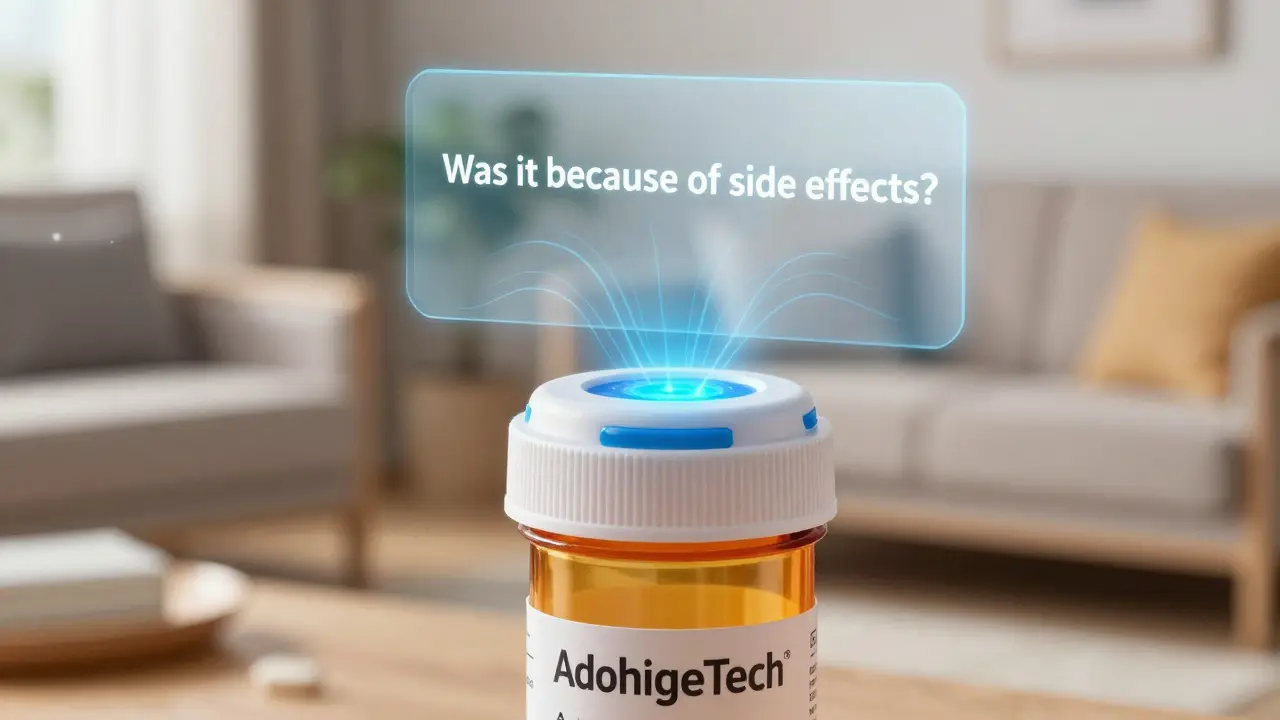
Locked Dispensers for Safety, Not Just Reminders
If someone is at risk of taking too much-like a person with dementia or a history of accidental overdose-a locked dispenser like the MedQ from Alzstore makes sense. It stores pills in secure compartments that only open at set times. No fumbling. No guessing. No risk of taking a double dose. These cost between $129 and $249 and don’t connect to the internet. That’s a trade-off: no remote monitoring, no caregiver alerts, no usage reports. But for safety-first users, that’s fine. Amazon reviews show 4.1 out of 5 stars, though some users complain the alarm is too quiet. If you’re hard of hearing, this isn’t the right fit unless you add a vibration pad or visual strobe.What’s Behind the Numbers? Real Data on Effectiveness
The numbers don’t lie. A 2022 study in the Journal of Medical Systems found that smart pill systems boosted adherence from 67% to over 92%. The CDC estimates medication non-adherence costs the U.S. healthcare system $100-$300 billion a year. That’s not just money-it’s hospital stays, emergency visits, and preventable deaths. The devices that work best don’t just remind. They reinforce. They use multiple signals: light, sound, text, and even caregiver alerts. The most successful systems combine simplicity with feedback. AARDEX Group’s Pill Connect, used in clinical trials, tracks over 70 data points per dose and uses AI to predict when someone is likely to miss a pill. It’s not for home use-it’s too expensive ($299 + $49/month) and requires professional setup. But it proves the principle: data-driven reminders save lives.Costs, Subscriptions, and the Hidden Barrier
Here’s the catch: many of these devices require monthly subscriptions. Aidia charges $39/month. Tenovi charges $29/month. Even if the device is covered by insurance, the service fee isn’t. A 2023 CMS analysis found that 32% of low-income seniors stopped using smart dispensers within six months because they couldn’t afford the fee. That’s why some solutions are winning by removing the subscription model. Tenovi’s cellular gateway is built into the device. Hero Health’s dispenser has no subscription-just a one-time cost. If you’re on a fixed income, look for devices that don’t require ongoing fees. Medicare Advantage plans are starting to cover these devices, but only if they show a 15%+ reduction in hospitalizations. The CMS 2024 final rule opens the door for more coverage-but it’s not automatic.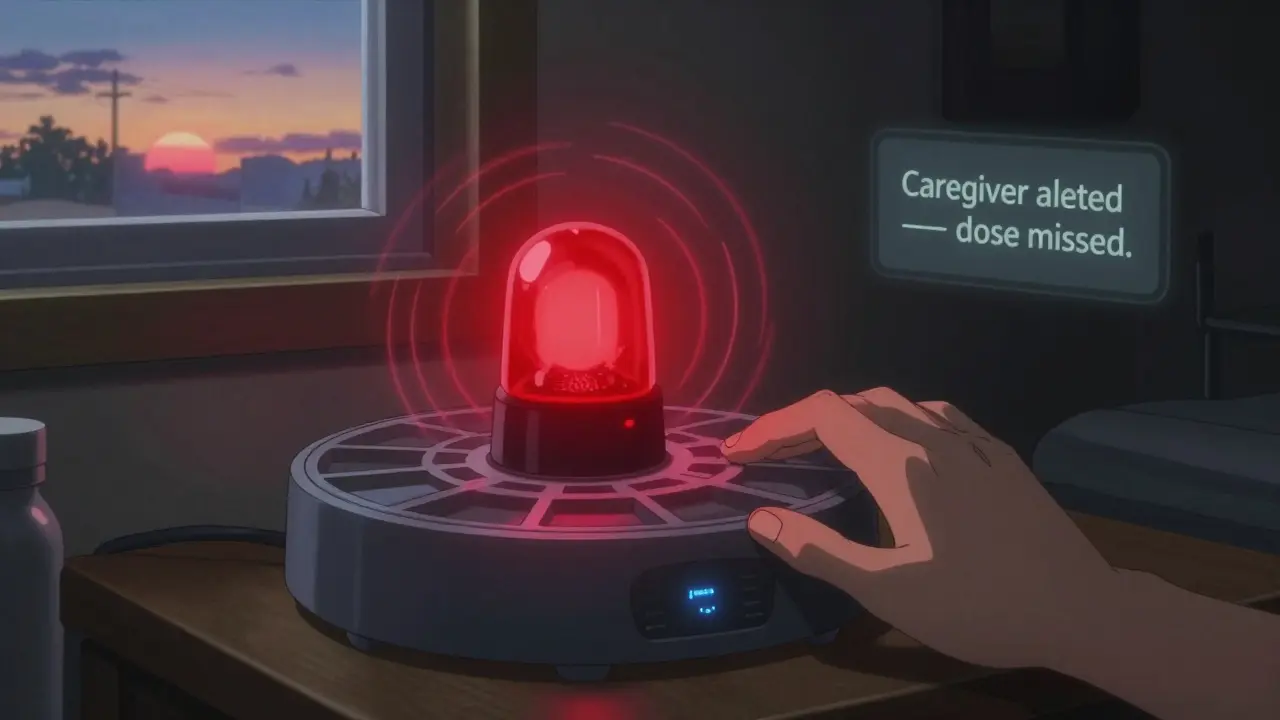
What to Look for When Choosing One
You don’t need the fanciest device. You need the right one. Ask yourself:- Do you need automatic dispensing, or just a reminder?
- Are you comfortable with apps and smartphones?
- Do you need remote monitoring for a caregiver?
- Is hearing or vision a challenge? (Look for loud alarms and bright lights.)
- Can you afford the monthly fee-or does the device need to be one-time cost?
Limitations No One Talks About
Smart devices don’t solve everything. One Reddit user admitted he opened his Pill Connect cap but didn’t take the pill-just to trick the system. No device can force you to swallow the pill. That’s why the best systems combine tech with human support. A pharmacist calling to check in. A family member seeing the usage report and noticing a pattern. Technology doesn’t replace care-it amplifies it. Also, battery life varies. Tenovi lasts 90 days. Aidia lasts 30. If the power goes out for a week, will your device still work? Look for backup batteries or solar options.The Future Is Here-But It’s Quiet
The next wave of innovation isn’t about more alerts. It’s about disappearing. MIT’s AgeLab is testing edible sensors that confirm you swallowed the pill-no camera, no app, no button. Hero Health is adding voice-activated emergency calls. UnitedHealthcare is integrating adherence data directly into care management systems. The goal? Make adherence invisible. If you don’t have to think about it, you won’t forget it. That’s why Tenovi’s no-app design and Aidia’s bottle-integrated cap are winning. They don’t ask you to change your life. They fit into it.Final Thought: It’s Not About the Tech-It’s About the Habit
Forgetfulness isn’t a personal failure. It’s a design flaw in how we hand out pills. Smart pill caps and dispensers don’t fix memory. They fix the environment. They turn a complex, overwhelming task into a simple, automatic one. Whether it’s a flashing light, a repeating alarm, or a cap that tells your doctor you missed a dose-these tools give you back control. Not because they’re smart. Because they’re simple.Can smart pill dispensers really improve medication adherence?
Yes. Studies show users of smart pill dispensers improve adherence from around 67% to over 90%. Devices that use multiple cues-like lights, sounds, texts, and caregiver alerts-work best. One 2022 study found 92.3% adherence among users of Aidia’s smart bottle, compared to 67.8% in non-users. The key is redundancy: if one reminder fails, another picks up.
Do I need a smartphone to use a smart pill dispenser?
No. Many devices, like Tenovi’s Cellular Pillbox, work without any phone or app. They use built-in cellular connectivity to send alerts and usage reports directly to caregivers. Others, like Aidia’s smart cap, connect via Bluetooth to a smartphone app-but the app is optional. The visual and audible reminders work on their own. If you or a loved one isn’t tech-savvy, choose a device that doesn’t require an app.
Are smart pill dispensers covered by Medicare?
Not yet universally, but that’s changing. Medicare Advantage plans are increasingly covering devices that show a 15%+ reduction in hospitalizations. The CMS 2024 final rule opens the door for broader coverage. Devices like Hero Health’s dispenser and Aidia’s smart cap are being evaluated for inclusion. Check with your plan-some cover the device, others cover the service fee. If you’re on Medicaid or low-income assistance, ask about state programs that subsidize adherence tech.
What’s the difference between a smart pill cap and a smart dispenser?
A smart pill cap (like Aidia) fits onto your existing prescription bottle. It tracks when you open it and how much you take, but doesn’t dispense pills automatically. A smart dispenser (like Hero Health) stores your pills, opens compartments at set times, and dispenses them automatically. Caps are cheaper and easier to use. Dispensers are better for complex regimens and people who forget entirely.
Can these devices prevent overdoses?
Yes, but only if designed for it. Locked dispensers like MedQ from Alzstore physically prevent access until the correct time. Smart caps and dispensers that track dosage (like Aidia) can detect if too much was taken, but they can’t stop it. For someone with dementia or memory loss, a locked dispenser is safer. For someone who just forgets, a smart cap with alerts is enough. Match the device to the risk level.
What if I can’t afford the monthly fee?
Look for devices with no subscription. Hero Health’s dispenser has no monthly fee-just a one-time cost. Tenovi’s cellular system includes service in the device price. Avoid models that require ongoing payments unless you’re sure you can afford them long-term. Some nonprofits and Area Agencies on Aging offer subsidies. Ask your pharmacist or social worker-many have programs to help seniors get these devices for free or at low cost.
Do these devices work for people with hearing or vision loss?
Yes, but choose carefully. Hero Health scores highest for accessibility, with customizable alarm volume, vibration alerts, and bright LED lights. Tenovi uses color-coded lights (red for due, green for taken) that are easy to see. Avoid devices that rely only on sound or phone notifications. Look for models with tactile feedback, strobe lights, or vibration pads. SeniorTechReview.com rates devices on accessibility-use that as a guide.
How long do batteries last in smart pill devices?
Battery life varies. Tenovi lasts up to 90 days. Aidia lasts about 30 days. Hero Health’s dispenser runs on replaceable batteries that last 60-90 days depending on use. Always check if the device has a low-battery alert and whether batteries are easy to replace. If you live in an area with frequent power outages, choose a device with a backup battery or solar charging option.
Can caregivers see if I missed a dose?
Yes, if the device is set up that way. Aidia, Tenovi, and Hero Health all send alerts to caregivers via email or text. Some even allow caregivers to view daily logs online. This is critical for people living alone or with early dementia. Make sure the device supports remote monitoring-and that your caregiver is willing to check the reports. If no one is watching, the alert system loses its power.
What if I just open the dispenser but don’t take the pill?
That’s a known issue. Some users open the compartment to trick the system, especially if they feel side effects or don’t want to take the pill. Devices like Aidia ask why you missed a dose-“Was it side effects?” “Did you feel better?”-which helps doctors adjust treatment. But no device can force ingestion. That’s why the best systems combine tech with human support: a pharmacist calling, a family member checking in. Technology helps, but care still matters.
Smart pill caps and dispensers aren’t magic. But they’re the most effective tool we have right now to stop forgetfulness from becoming a health crisis. Choose one that fits your life-not your tech skills.







Comments (9)
Aisling Maguire
March 1, 2026 AT 22:09 PMI swear, my mum used one of those Tenovi boxes and it was a game changer. No more frantic calls at 10 a.m. asking if she took her blood pressure meds. Just a little red light and boom-she’s on track. I didn’t even have to nag. Best $150 I ever spent.
Angel Wolfe
March 3, 2026 AT 13:09 PMYall really believe this stuff works? My cousin got one of those smart bottles and it just sent his whole med history to some server in California. Next thing you know the feds are flagging him for "anomalous pill patterns". They’re not helping us-they’re profiling us. This is how they build the surveillance state one pill at a time.
Sophia Rafiq
March 4, 2026 AT 09:53 AMThe real win here is the redundancy. Light + sound + text + caregiver alert = failsafe. Most people think it’s about the tech but it’s about layered behavioral nudges. Aidia’s weight sensor alone is genius-catches partial doses. No app needed. Just dumb simple physics meeting clinical need.
Martin Halpin
March 5, 2026 AT 11:47 AMLook I get it people want to be reminded but let’s be real here-this whole industry is built on the assumption that elderly people are incapable of managing their own lives. What about community-based support? What about pharmacists doing home visits? What about actually paying nurses to check in instead of slapping a $49/month subscription on a plastic box? We’re outsourcing human care to gadgets because we don’t want to pay for it. And now we’re calling it innovation. That’s not progress. That’s surrender.
Eimear Gilroy
March 6, 2026 AT 23:05 PMI’m curious-do any of these devices integrate with non-digital caregivers? Like if my aunt misses a dose, can her neighbor who checks in every Tuesday get notified? Or is it all locked into apps and cloud dashboards? Asking for a friend who still uses a flip phone.
Ajay Krishna
March 8, 2026 AT 16:20 PMThis is beautiful. My dad in India started using a Hero Health unit after his stroke. No internet, no smartphone, just the alarm and the light. He takes his pills now without being asked. I don’t care if it costs $499-it’s peace of mind. And honestly? That’s priceless. We need more of this, not less.
Charity Hanson
March 9, 2026 AT 21:42 PMY’all are overthinking this. Just pick the one that doesn’t make you feel like a tech support call. If you can’t set up an app, go with Tenovi. If you’re scared of subscriptions, go Hero. If you’re worried about someone stealing your meds, go locked. Simple. No drama. Just do the thing. You got this.
Ben Estella
March 10, 2026 AT 20:38 PMYou know what’s really sad? The fact that we need a $500 robot to remind people to take their pills. In America. We’ve got billionaires launching rockets but grandma’s still forgetting her heart meds. This isn’t innovation-it’s a symptom of a broken system. We should be funding home nurses, not selling plastic boxes. And don’t even get me started on the subscription trap.
Katherine Farmer
March 11, 2026 AT 11:59 AMHonestly, the only thing that matters is whether the device has been validated in a double-blind RCT with a control group and a 12-month follow-up. If it hasn’t, it’s just a shiny box with LEDs. Aidia’s 92.3% adherence? Cute. But was that adjusted for socioeconomic confounders? Did they control for baseline cognitive function? And where’s the p-value? If you can’t cite the study properly, you’re just marketing.