

GLP-1 Side Effect Risk Calculator
How severe is your nausea risk?
Personalized Recommendations
Why GLP-1 agonists make you feel sick - and what to do about it
If you’re taking Ozempic, Wegovy, or Mounjaro for weight loss or diabetes, and you’ve felt nauseous, bloated, or like your stomach just won’t cooperate - you’re not alone. More than 40% of people on these drugs report nausea. For some, it’s mild and fades. For others, it’s so bad they quit. The truth? These side effects aren’t a glitch. They’re built into how the drug works.
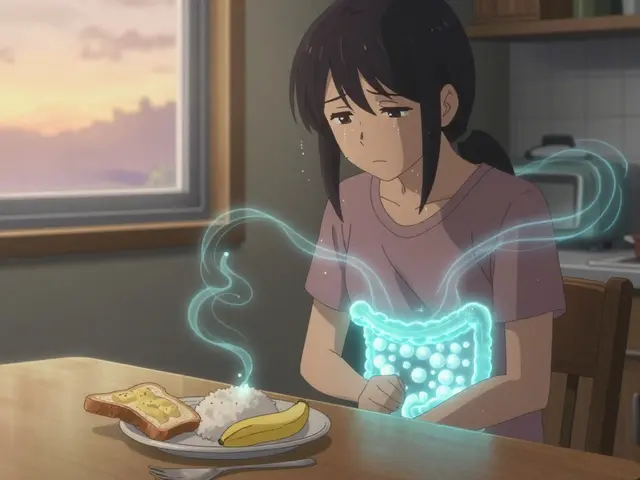
GLP-1 receptor agonists mimic a natural hormone that tells your brain you’re full and slows down how fast food leaves your stomach. That’s great for losing weight and controlling blood sugar. But it also means your digestive system is moving slower than usual. Food sits longer. Gas builds up. Your stomach gets sensitive. Nausea, vomiting, constipation, and bloating aren’t random side effects - they’re direct results of the drug’s mechanism.
The numbers don’t lie: GI side effects are common
Studies show between 40% and 70% of people on GLP-1 agonists experience gastrointestinal issues. With semaglutide (Ozempic, Wegovy), about 15-20% report nausea at full dose. With liraglutide (Victoza), it’s 20-25%. In early studies, some patients saw nausea rates as high as 85% during the first few weeks of treatment.
These aren’t rare or unusual reactions. They’re expected. And while most are mild to moderate, they’re the #1 reason people stop taking these drugs. A 2023 JAMA study found that people on GLP-1 agonists had over 9 times the risk of pancreatitis and more than 4 times the risk of bowel obstruction compared to those on other weight-loss meds. These are rare, but they’re real. If you’re vomiting nonstop, can’t pass gas, or have sharp stomach pain, don’t wait - get help.
When does the nausea start - and when does it end?
Most people feel the worst during the dose-escalation phase. That’s when your doctor slowly increases your dose over 16 to 20 weeks. That’s when your stomach is adjusting to the slower emptying. Many users on Reddit’s r/Ozempic say the first 4 to 6 weeks are brutal. After that? Most report major improvement.
It’s not magic. It’s adaptation. Your gut slowly learns to handle the slower movement. The same drug that made you feel sick at 0.25 mg might barely register at 1.0 mg. That’s why sticking through the early weeks matters - if you can, you’ll likely get past the worst of it.

What makes the nausea worse?
It’s not just the drug. What you eat makes a huge difference. High-fat meals, fried foods, heavy desserts, and sugary drinks are the worst offenders. They sit in your stomach longer - and with GLP-1 drugs slowing digestion even more, that’s a recipe for bloating, pain, and vomiting.
Large meals are another trigger. When your stomach is already sluggish, stuffing it full of food is like overloading a slow engine. Many people find relief by switching to 5-6 small meals a day instead of 3 big ones.
Also, lying down right after eating? Bad idea. Gravity helps food move. Lying flat makes it harder. Stay upright for at least 30 minutes after eating.
How to manage nausea - real, proven tips
- Start low, go slow. Don’t rush the dose increase. If your doctor says wait 4 weeks before increasing, wait. Your body needs time.
- Eat bland, low-fat foods. Crackers, toast, rice, bananas, oatmeal, boiled chicken. These are easy to digest. Avoid creamy sauces, cheese, butter, and fried anything.
- Stay hydrated - but sip. Chugging water can trigger nausea. Take small sips throughout the day. Ice chips or frozen fruit can help if you can’t drink much.
- Try ginger. Ginger tea, ginger chews, or ginger capsules have helped many users. It’s not a cure, but it’s a gentle, natural way to calm nausea.
- Take it at night. Some people find that taking their injection before bed reduces morning nausea. If you’re not dizzy or lightheaded, this might help you sleep through the worst of it.
- Don’t skip meals. Skipping food to avoid nausea can backfire. It leads to low blood sugar and makes your stomach even more sensitive. Eat small amounts regularly.
- Ask about OTC help. Dramamine or meclizine (Bonine) can help with nausea. Talk to your doctor first - especially if you’re on other meds.
When to worry - red flags you can’t ignore
Most GI side effects are annoying, not dangerous. But some signs mean you need to call your doctor right away:
- Severe, constant abdominal pain - especially in the upper right or center
- Vomiting that lasts more than 24 hours
- Inability to pass gas or have a bowel movement for 2+ days
- Yellowing of the skin or eyes (jaundice)
- Dark urine or pale stools
- Unexplained rapid heartbeat or dizziness
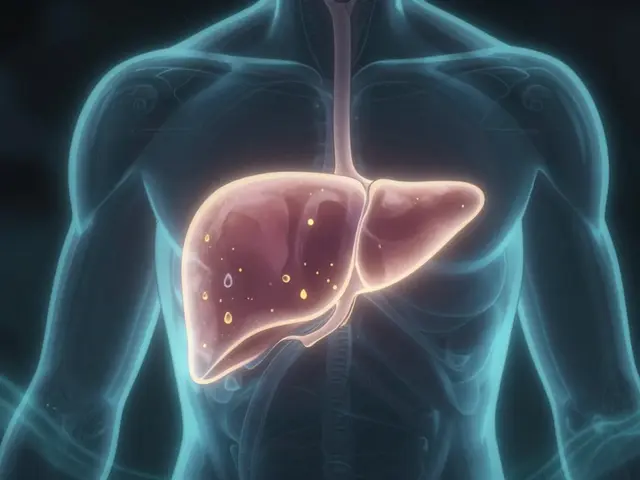
These could signal pancreatitis, bowel obstruction, gallbladder problems, or liver issues. The FDA’s strongest warning - a boxed warning - is for thyroid tumors. That’s rare and mostly seen in animal studies, but if you have a family history of thyroid cancer, talk to your doctor before starting.

Why people still take these drugs despite the side effects
Because the results are life-changing. In clinical trials, people on semaglutide lost an average of 15% of their body weight - over 30 pounds for someone who weighs 200. Blood sugar dropped sharply. Many people with type 2 diabetes were able to stop insulin or other pills.
For those who stick with it, the nausea fades. The energy returns. Clothes fit better. Blood pressure improves. Sleep gets better. The trade-off - a few weeks of feeling off - is worth it for most.
It’s not about being tough. It’s about giving your body time to adjust. Most people who quit do so too early. If you can push through the first 6 weeks, your odds of success jump dramatically.
What’s next? Better drugs on the horizon
Drugmakers know the GI side effects are holding back adoption. New formulations are being tested - including oral versions of semaglutide and combination drugs that use lower doses of GLP-1 with other agents to reduce nausea. Some are already in late-stage trials.
For now, the best tool you have is patience, smart eating, and communication with your provider. Don’t be afraid to say, ‘This is too much.’ Your doctor can adjust the dose, delay the increase, or suggest alternatives.
Bottom line: You’re not broken - your body is adapting
Feeling sick on a GLP-1 agonist doesn’t mean you’re doing something wrong. It means the drug is working. The nausea isn’t a sign of failure. It’s a sign your body is responding.
Most people get through it. Many say they wish they’d known how temporary it was. If you’re struggling, you’re not alone. Use the tips above. Talk to your doctor. And don’t give up too soon. The weight loss, the better blood sugar, the improved health - they’re waiting on the other side of the nausea.