

When you take a medication, drug safety, the practice of using medicines in a way that minimizes harm while maximizing benefit. Also known as medication safety, it’s not just about following the label—it’s about knowing what else might be in your body, what your body might be doing to the drug, and when something’s going wrong. Too many people think drug safety means avoiding pills you shouldn’t take. But it’s deeper than that. It’s about how grapefruit can turn your blood pressure pill into a dangerous overdose. It’s about how zinc in your morning supplement can make your antibiotic useless. It’s about realizing that one glass of wine with your antidepressant isn’t just a bad idea—it’s a medical risk.
Drug safety adverse reactions, unintended and harmful responses to a medication at normal doses don’t always show up as a hospital visit. Sometimes they’re quiet: weight gain you can’t explain, trouble sleeping, or a constant feeling of being emotionally flat. These are real, documented side effects of SSRIs, SGLT2 inhibitors, and even common painkillers. And if you don’t report them clearly to your doctor, they might keep prescribing the same drug—thinking it’s working. That’s why medication monitoring, the regular tracking of lab tests, symptoms, and drug levels to catch problems early matters. People on lithium, warfarin, or clozapine need blood tests every few weeks. Seniors on multiple drugs need kidney and liver checks. Skipping these isn’t laziness—it’s gambling with your health.
And then there’s drug interactions, when one medication changes how another works in your body. It’s not just alcohol and pills. It’s antibiotics and zinc. It’s caffeine and Adderall. It’s grapefruit juice and your heart medication. These aren’t rare edge cases—they’re everyday mistakes. The FDA is pushing for clearer patient medication information, standardized labels that explain risks in plain language starting in 2025, but right now, you still have to ask. You still have to track. You still have to speak up.
Drug safety isn’t something you check off a list once. It’s a habit. It’s writing down every pill you take. It’s calling your pharmacist before buying a new supplement. It’s knowing when to say, "This isn’t right," and pushing for answers. The posts below cover exactly that: how to spot early warning signs, how to report side effects so they’re taken seriously, how to time your doses to avoid hidden conflicts, and when to question whether you even need a drug anymore. You won’t find fluff here. Just real, actionable steps to keep you safe while you take what you need.
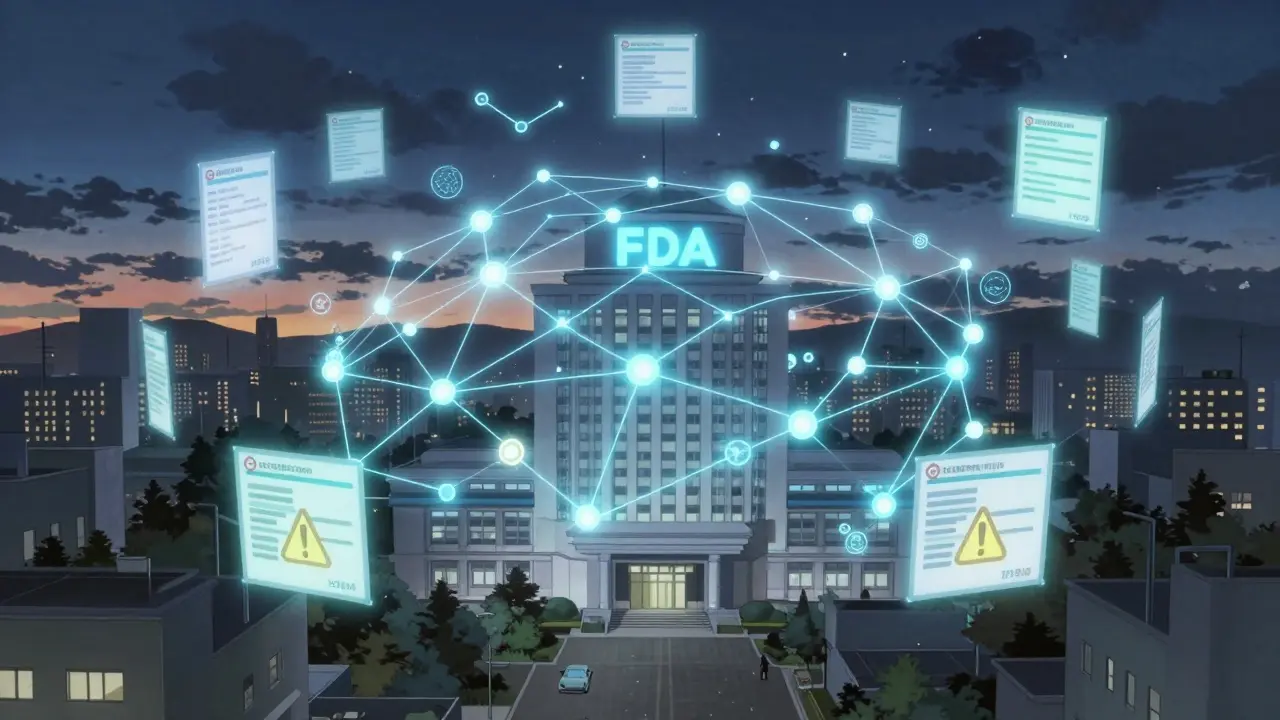
Learn how post-marketing studies track real-world drug safety after approval. Understand FAERS, Sentinel System, REMS, and how reports from patients and providers help prevent harm.

Pharmacogenetic testing analyzes your genes to predict how you'll react to medications, preventing dangerous side effects. Studies show it cuts adverse drug reactions by 30%, saving lives and healthcare costs.