


Many older adults take five or more medications every day. Some of these were prescribed years ago for conditions that have changed-or even disappeared. Yet they’re still on the list. This isn’t rare. It’s common. And it’s risky. Taking too many drugs can lead to dizziness, confusion, falls, kidney stress, and worse. The good news? You don’t have to keep taking them all. You can talk to your doctor about cutting back. But how do you start that conversation without sounding like you’re questioning their judgment? Here’s how to do it right.
Why This Conversation Matters
More than 15% of seniors on five or more medications experience harmful side effects from them. These aren’t just minor issues. They’re falls that break hips, memory lapses that lead to missed appointments, fatigue that steals independence. Medications that once helped-like blood pressure pills, sleep aids, or cholesterol drugs-can become more harmful than helpful as you age or your health changes. That’s where deprescribing comes in. It’s not about stopping everything. It’s about removing what’s no longer needed so you can feel better, not just survive.Doctors don’t always bring this up. A 2023 study found that 68% of seniors would welcome fewer pills-if their doctor suggested it. But only 1 in 4 doctors initiate the talk. That means the ball is often in your court. And that’s okay. You’re not being difficult. You’re being smart.
Prepare Before You Walk In
Walking into an appointment with a vague wish like “I want to take fewer pills” rarely works. Doctors hear that all the time-and often dismiss it. What works is specificity.- Write down every medication-including over-the-counter drugs, vitamins, and supplements. Many people forget the antacids, melatonin, or fish oil they take daily. These matter too.
- Note side effects. Don’t say “I feel tired.” Say: “I get dizzy two hours after taking my blood pressure pill, and I’ve nearly fallen three times this month.” Include timing, frequency, and impact.
- Choose 1-2 medications to focus on. Pick the ones you suspect are causing problems. Maybe it’s the sleeping pill that leaves you groggy in the morning, or the statin that gives you muscle pain. Don’t try to tackle all of them at once.
- Know your goal. What do you want to do more of? Walk in the park? Play with your grandkids? Sleep through the night? Tie your medication concerns to that. “I want to hike with my grandson without feeling wobbly” is far more powerful than “I want to take fewer pills.”
Bring a printed copy of your list. Use the Beers Criteria or STOPP/START guidelines if you’ve looked them up-these are trusted tools doctors use to spot unnecessary meds. You don’t need to quote them, but having them ready shows you’ve done your homework.
Use the Right Language
How you say it matters more than what you say. Research shows that patients who frame deprescribing around quality of life have 89% more success than those who talk about cost or convenience.Avoid phrases like:
- “I just want to take fewer pills.”
- “This one’s too expensive.”
- “I don’t think I need it anymore.”
Instead, try:
- “I’ve noticed I feel off after taking this pill. I’m worried it’s making me unsteady.”
- “My goal is to stay independent and not fall. Do you think this medication is helping with that?”
- “I’ve been reading about how some meds can cause confusion in older adults. Could we look at whether any of mine might be doing that?”
One study found that phrases like “Some of your medications may be hurting more than helping by affecting your balance and focus” were rated as the most convincing by patients. That’s because it speaks to something real-your safety, your dignity, your daily life.
Use the Ask-Tell-Ask Method
This is a proven communication tool used by top clinicians. It turns a one-sided lecture into a conversation.- Ask: “What’s your view on how my medications are working for me right now?”
- Tell: “I’ve been having dizziness after my afternoon pill, and I’m worried it’s increasing my fall risk. I’d like to see if we could reduce it.”
- Ask: “What’s the safest way to test if cutting back on this would help?”
This approach removes defensiveness. It invites collaboration. And it gives your doctor a clear path forward.

Expect Gradual Changes
Deprescribing isn’t a switch. It’s a slow turn. Most successful cases involve reducing doses over weeks or months-not stopping cold turkey. Your doctor might suggest a “drug holiday” (taking a break for a few days to see how you feel) or lowering the dose by 25% every few weeks.Ask: “How will we know if it’s working?”
They’ll likely want to monitor you. That’s normal. Bring up what signs to watch for: increased pain, trouble sleeping, mood changes. Ask if you should schedule a follow-up in 2-4 weeks. Many patients who don’t set a follow-up end up stuck with the same meds for another year.
Bring Evidence (Without Overwhelming)
You don’t need to argue with your doctor. But having a printed summary from a trusted source helps. The Canadian Deprescribing Guidelines, for example, offer clear, evidence-backed advice for 5 major drug classes-like benzodiazepines, anticholinergics, and proton pump inhibitors. If you’ve read about one of your meds there, bring the page. It’s not about proving them wrong. It’s about showing you’re serious about safety.Studies show patients who bring this kind of material are 33% more likely to have a medication reduced.
What If They Say No?
Sometimes, doctors hesitate. Maybe they’re worried about rebound symptoms. Maybe they’re unsure. That doesn’t mean the answer is no forever.Try saying: “I understand you’re cautious. Could we try a small reduction for four weeks and see how I feel? If I don’t get worse, maybe we keep going?”
Or: “Could we get a second opinion from a geriatric pharmacist? I’ve heard they specialize in this.”
Many hospitals now have medication therapy management services. Ask if yours offers one. Medicare covers them for seniors on multiple drugs.

It’s Not About Being Difficult
A lot of seniors worry they’ll be seen as “hard to please” if they question their meds. But here’s the truth: doctors want you to feel better. They just don’t always know how to start the conversation. When you bring clear concerns, specific goals, and a willingness to monitor results, you’re not being difficult. You’re being the best kind of patient-the one who partners in care.One Reddit user, NanaCaregiver87, kept a journal tracking how each pill affected her grandmother’s balance and energy. She brought it to her appointment. Three medications were cut. Within two months, her grandmother was walking without a cane for the first time in years.
Another user, MedConfused45, just said, “I want fewer pills.” The doctor dismissed it. No change. No follow-up.
The difference? Preparation. Purpose. Partnership.
What’s Changing in 2025
This isn’t just your personal journey. It’s becoming standard care. Medicare now requires doctors to review medications during the Annual Wellness Visit. Electronic health records now flag high-risk prescriptions for seniors. The American Geriatrics Society says all patients 65+ on five or more drugs should get a deprescribing check every year.And it’s working. Since 2023, patient-initiated deprescribing conversations have grown by 65%. More people are learning how to speak up-and more doctors are learning how to listen.
Final Thought: Your Health, Your Goals
Medications aren’t trophies. They’re tools. And like any tool, they should serve you-not the other way around. If a pill is making you too tired to enjoy your mornings, or too dizzy to walk to the mailbox, it’s not helping. It’s holding you back.You don’t need to be an expert. You just need to be clear. Write down what’s bothering you. Link it to what you love doing. Ask for a plan. And don’t accept silence as an answer.
Your body isn’t the same as it was five years ago. Your medications shouldn’t be either.
What does deprescribing mean exactly?
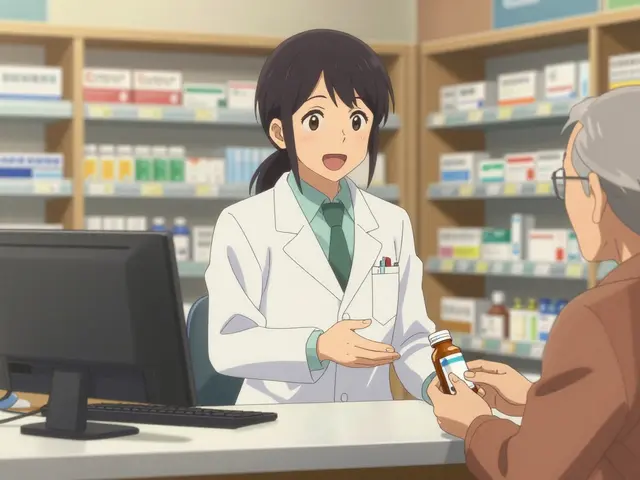
Deprescribing means carefully reducing or stopping medications that are no longer necessary or that may be causing more harm than good. It’s not about quitting all drugs-it’s about keeping only what’s truly helping you meet your current health goals, especially as you age or your condition changes.
Can I stop a medication on my own if I think it’s not helping?
No. Stopping certain medications suddenly-like blood pressure pills, antidepressants, or steroids-can be dangerous. Always talk to your doctor first. They’ll help you taper off safely if it’s appropriate. Even if you feel fine, some side effects build up slowly, and stopping cold turkey can cause rebound symptoms or worsen your condition.
What if my doctor says my meds are fine, but I still feel awful?
Ask for a medication review with a geriatric pharmacist. Many clinics now offer this service, especially for seniors on five or more drugs. Pharmacists specialize in spotting drug interactions and unnecessary prescriptions. You can also ask for a second opinion. Your comfort and safety matter more than sticking to a plan that isn’t working.
How long does it take to see results after reducing a medication?
It varies. Some people feel better in days-like improved sleep after stopping a sedative. Others need weeks to notice changes, especially with drugs that affect mood or cognition. Your doctor should set a follow-up date, usually 2-4 weeks after a change. Keep track of how you feel during that time. Write down energy levels, balance, sleep, and mood. That data helps guide the next step.
Are there medications that are more likely to be reduced in seniors?
Yes. Common ones include sleeping pills (like zolpidem), anticholinergics (for overactive bladder), proton pump inhibitors (for heartburn), and certain blood pressure or cholesterol drugs when targets are already met. The Beers Criteria and STOPP/START guidelines list these high-risk medications for older adults. If you’re on any of them, it’s worth asking if they’re still needed.
Will reducing my meds make my condition worse?
That’s why the process is gradual and monitored. Your doctor will only suggest stopping or reducing a drug if the risks outweigh the benefits-and if there’s a safe way to do it. For example, if your blood pressure is consistently below 120/70 and you’re on three pills, reducing one might not raise your pressure at all. But they’ll check your numbers before and after. The goal is to keep you safe, not to take away protection you still need.






Comments (14)
Mimi Bos
December 29, 2025 AT 10:20 AMi just started taking 7 pills a day and my grandma said i look like a walking pharmacy lol. i forgot my fish oil and now i feel weird. why is this so hard??
Payton Daily
December 29, 2025 AT 15:28 PMlisten here. we live in a world where corporations sell you pills like candy. doctors are paid to keep you medicated. deprescribing? it’s not medicine-it’s rebellion. you’re not just cutting pills-you’re rejecting the machine. and if you don’t get it? you’re part of the problem. wake up.
Kelsey Youmans
December 30, 2025 AT 15:45 PMThank you for this thoughtful and meticulously researched piece. It is imperative that we approach deprescribing with the utmost clinical rigor and patient-centered dignity. The data supporting cautious, monitored reduction of polypharmacy in elderly populations is both compelling and irrefutable. I commend the emphasis on quality of life as the central metric.
Sydney Lee
December 30, 2025 AT 20:09 PMOf course, the real issue here isn’t the pills-it’s the collapse of the American healthcare system. You think your doctor cares? They’re paid by the hour. They don’t have time to listen. And if you bring up Beers Criteria? They’ll roll their eyes and call it ‘alternative medicine.’ The system is rigged. You’re not just fighting your meds-you’re fighting capitalism. And you’re losing.
oluwarotimi w alaka
December 31, 2025 AT 09:15 AMu know what? in nigeria we dont even have these pills. we use herbs. our grandmas dont take 7 meds. they drink ginger tea and dance. why are americans so weak? u got sick from eating too much sugar and then u take 10 pills to fix it. no wonder u fall down. its not the meds, its u.
Teresa Marzo Lostalé
January 1, 2026 AT 09:15 AMmy aunt cut her sleep med cold turkey and now she’s up at 3am singing show tunes. she says she ‘feels alive again.’ i’m not sure if that’s progress or a cry for help 😅
ANA MARIE VALENZUELA
January 1, 2026 AT 21:24 PMpeople like you are why medicine is broken. you read one blog and think you know more than your doctor. you don’t understand pharmacokinetics. You don’t understand drug interactions. You just want to feel better without doing the work. Stop being lazy and trust the process.
Bradly Draper
January 3, 2026 AT 20:31 PMmy dad did this last year. cut his cholesterol pill. stopped feeling so tired. now he walks 3 miles every morning. he’s 78. he says he feels like he got his life back. no drama. just better.
Gran Badshah
January 4, 2026 AT 00:31 AMi took 3 meds for 10 years. stopped one. felt better. doctor said ‘weird.’ i said ‘ok’ and kept going. now i only take 2. no one asked me if i wanted to. i just did it. why do we need permission to feel ok?
Ellen-Cathryn Nash
January 5, 2026 AT 22:16 PMthe real tragedy isn’t the pills-it’s the silence. the way we’re taught to nod and smile while our bodies scream. i watched my mother shrink into a ghost because no one asked if she wanted to live-or just survive. this isn’t about medicine. it’s about dignity. and someone finally said it out loud.
Samantha Hobbs
January 6, 2026 AT 22:20 PMmy mom took a pill for anxiety that made her forget my birthday. she cried for a week. then we stopped it. she remembered everything. i cried harder. this is real. this is life.
Nicole Beasley
January 7, 2026 AT 03:59 AMjust printed out the Beers Criteria and brought it to my appointment. doctor looked at it like i brought a dragon to a picnic 🐉 but then she said ‘actually… let’s talk.’ 🙌
sonam gupta
January 7, 2026 AT 09:04 AMin india we dont take so many pills we eat turmeric and chilli and live
Julius Hader
January 9, 2026 AT 07:55 AMMy sister’s doctor cut her anticholinergic last month. She’s been sleeping through the night for the first time in 12 years. No drama. No fanfare. Just a quiet miracle. That’s what this is. Not rebellion. Just care.