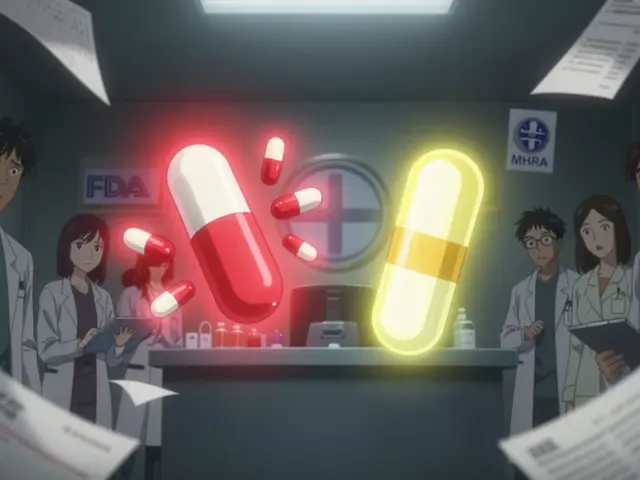

When you pick up a pill bottle, you assume it’ll work the same way next month—or next year. That’s not luck. It’s FDA Q1A(R2), the U.S. Food and Drug Administration’s official guideline for stability testing of new drug substances and products. Also known as ICH Q1A(R2), it’s the rulebook that tells drugmakers how to prove their medicines won’t break down, lose strength, or turn dangerous before the expiration date. This isn’t just paperwork. It’s the reason your insulin still works after sitting in your fridge for a month, or why your blood pressure pill doesn’t turn into something harmful after being stored in a hot bathroom.
FDA Q1A(R2) doesn’t just ask companies to test drugs once—it demands they test them under real-world conditions. That means exposing medications to heat, humidity, and light over months or even years. These tests aren’t done in a lab for a week. They’re tracked for 12, 24, even 36 months. Why? Because a drug that’s 95% potent at 18 months might drop to 80% at 24—and that’s not safe. The guideline also forces companies to test packaging. A pill might be stable, but if the blister pack lets in moisture, it’s useless. This is why some drugs come in child-resistant bottles with desiccants inside. It’s not marketing. It’s compliance with drug stability testing, the process of measuring how a medication changes over time under controlled environmental conditions.
And it’s not just about the drug itself. pharmaceutical regulations, the legal standards that govern how drugs are developed, tested, and labeled to ensure public safety like FDA Q1A(R2) tie into everything from manufacturing to recalls. If a batch fails stability testing, the whole lot gets pulled. That’s why generic drugs must meet the same standards as brand names. The FDA doesn’t trust claims—it demands data. And that data? It comes from labs following Q1A(R2) exactly. Even the way a drug is labeled—"store at room temperature," "protect from light"—comes from these tests. This is why your doctor doesn’t have to guess if your meds are still good. They know, because the system forces transparency.
What you get from this system is trust. You don’t need to be a scientist to know your pills are safe. You just need to know the rules behind them exist. And that’s where FDA Q1A(R2) comes in. Below, you’ll find real-world guides on how drug interactions, side effects, and safety practices connect to these hidden standards. From how zinc affects antibiotics to why seniors need medication reviews, every post here is shaped by the same goal: making sure what you take does what it’s supposed to—without surprises.
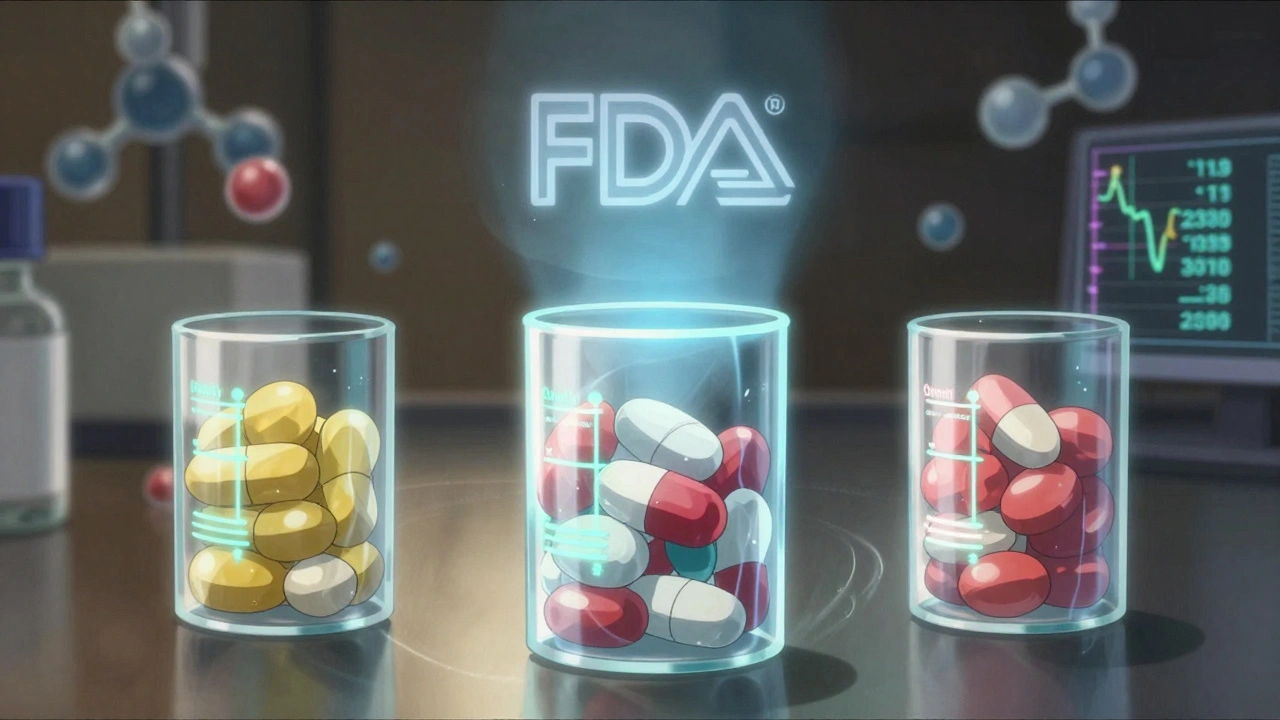
Learn exactly what the FDA requires for stability testing of generic drugs, including batch size, testing timelines, common rejection reasons, and upcoming 2025 changes that affect approval.