

Every year, thousands of generic medications are pulled from shelves-not because they’re dangerous by design, but because something went wrong during manufacturing. In 2024 alone, the FDA recorded 323 drug recalls, and nearly a third of them involved generic drugs. These aren’t rare glitches. They’re systemic issues tied to how these affordable medications are made-and what happens when quality control slips.
Why Do Generic Drugs Get Recalled?
The most common reason? Current Good Manufacturing Practices (CGMP) violations. These aren’t fancy terms-they’re basic rules for making medicine safely. If a factory doesn’t clean its equipment properly, calibrates machines incorrectly, or skips testing batches, the pills coming out might not work as they should. In April 2025, Glenmark Pharmaceuticals recalled nearly 40 types of generic drugs made in India because of CGMP issues. The list included common meds like acetaminophen and ibuprofen sold at Walmart and Amazon. These weren’t toxic-they just didn’t meet the standard. That’s a Class II recall: temporary or reversible health risks. Still, if your painkiller doesn’t dissolve right, you’re not getting the relief you paid for. Another big problem: failed dissolution. This means the drug doesn’t break down in your body the way it’s supposed to. Take Atorvastatin-the generic version of Lipitor. Over 47 million Americans take it to control cholesterol. In September 2025, over 140,000 bottles of generic Atorvastatin were recalled because lab tests showed the pills weren’t dissolving properly. If the medicine doesn’t dissolve, it doesn’t work. That’s not a minor issue-it’s a health risk for people who rely on it to prevent heart attacks and strokes. Then there’s contamination. In October 2025, a batch of hydrocodone oral solution was pulled because of visible particles in the liquid. Even worse, over 50 million fentanyl patches were returned because the seals were leaking. That’s terrifying. A leak could mean too much drug gets into your system-leading to overdose-or too little, leaving pain uncontrolled. These aren’t theoretical risks. People have died because of them.Where Are These Drugs Made?
About 68% of all drug recalls in the U.S. come from factories outside the country. India alone accounts for 43% of those. China is another major source. The FDA inspects U.S. facilities every 2 to 3 years. But overseas? They’re lucky to get inspected once every 5 years. That gap creates blind spots. Factories in these countries often produce drugs for dozens of U.S. brands. One contaminated batch can end up in pills sold under ten different labels. And because generics are cheap, manufacturers are under pressure to cut costs-sometimes at the expense of quality.What Do the Recall Classes Mean?
Not all recalls are the same. The FDA sorts them into three levels:- Class I: Highest risk. Could cause serious injury or death. Rare for generics, but happens with things like tainted insulin or incorrect dosing.
- Class II: Most common. Could cause temporary or reversible health problems. Think: pills that don’t dissolve, or meds with minor contamination. The 2025 Atorvastatin and Vyvanse recalls were Class II.
- Class III: Lowest risk. Unlikely to cause harm. Might be a labeling error or packaging flaw.
What Should You Do If Your Drug Is Recalled?
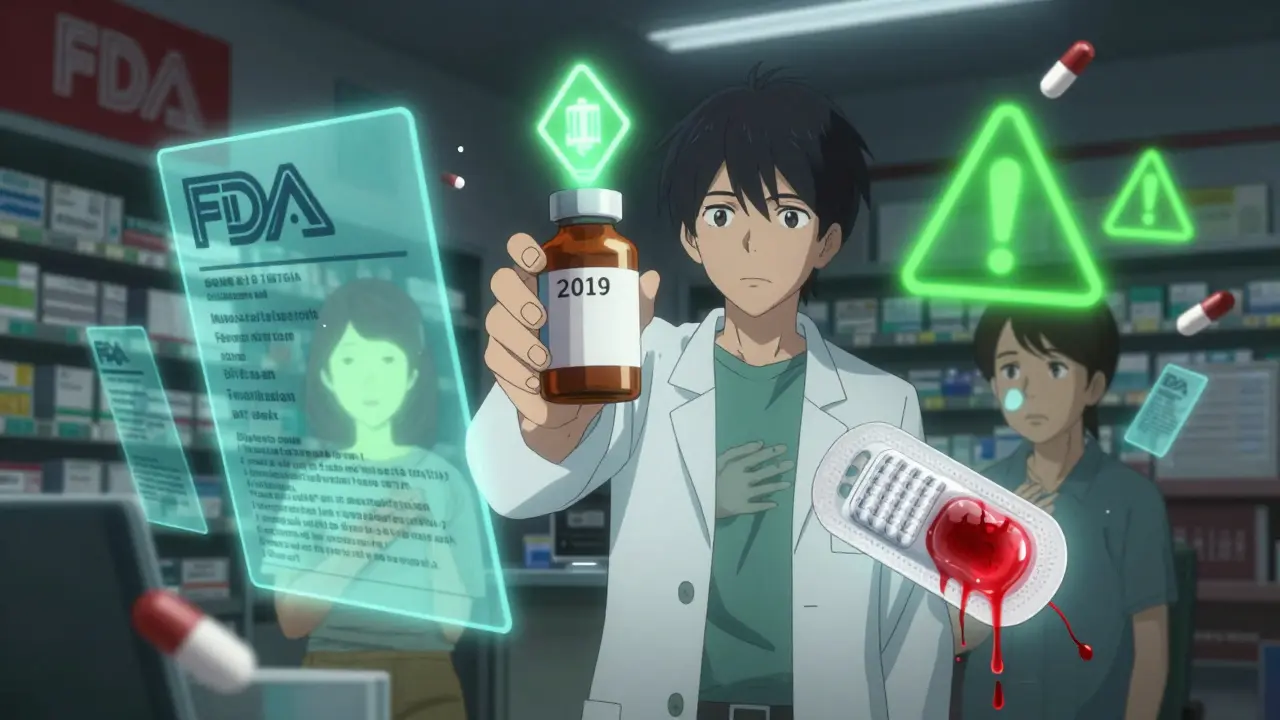
Don’t panic. But don’t ignore it either. Step 1: Don’t stop taking your medicine unless your doctor says so. This is critical. If you’re on Vyvanse for ADHD and your bottle is recalled, stopping cold turkey can cause severe fatigue, depression, or a rebound in symptoms. Same with blood pressure or heart meds. Abruptly stopping can be dangerous. Step 2: Check your lot number. Look on the bottle. It’s usually a mix of letters and numbers near the expiration date. Compare it to the FDA’s recall list or the manufacturer’s website. If you’re unsure, call your pharmacy. CVS and Walmart now have automated systems that text or call you if your specific lot is affected. Step 3: Return it. Take the recalled meds back to the pharmacy. They’ll give you a replacement or refund. Don’t throw them in the trash-pharmacies have safe disposal programs. Step 4: Report side effects. If you felt sick, dizzy, or noticed something off after taking the drug, report it to the FDA’s MedWatch program. These reports help the agency spot patterns and act faster. Step 5: Ask your doctor about alternatives. If your generic is pulled and the brand-name version is too expensive, ask if another generic manufacturer’s version is available. Not all generics are made the same.How Do You Know If Your Drug Was Recalled?
The FDA posts all recalls on its website, but most people don’t check it. That’s why pharmacies now send alerts. If you refill your meds at CVS, Walgreens, or Walmart, you’re likely to get a call, text, or email if your lot is affected. In 2024, CVS reached 92% of patients with Class II recalls. But here’s the problem: 19% of recall notices never reach the patient. Maybe you don’t refill at a big chain. Maybe you use mail-order. Maybe you got your meds from a small clinic. That’s why you need to be proactive. Bookmark the FDA’s recall page. Set up a Google Alert for your medication name. Know your lot numbers.
What’s Being Done to Fix This?
The FDA is trying. Under the 2023 GDUFA III agreement, inspections of high-risk foreign factories are now happening every 2.3 years instead of every 4.7. That’s progress. They’ve also expanded their PREDICT system, which uses data to flag high-risk shipments before they even hit U.S. ports. By 2026, it’ll cover 100% of imported generics. Manufacturers are stepping up too. In early 2025, Teva, Viatris, and Apotex formed the Generic Pharmaceutical Quality Consortium and pledged $285 million to set up independent quality labs in India and China. These labs will test drugs before they leave the factory-something the FDA can’t always do. But here’s the truth: recalls are still rising. From 2023 to 2024, generic drug recalls jumped 22.6%. And each recall costs an average of $48 million-money lost to retrieval, lost sales, and damaged trust.What This Means for You
Generic drugs save the U.S. healthcare system over $300 billion a year. They’re safe, effective, and necessary. But safety isn’t automatic. It depends on factories, inspectors, and-yes-on you. You’re not powerless. You can:- Keep your prescription bottles and note the lot numbers
- Ask your pharmacist if your generic is from a manufacturer with a history of recalls
- Sign up for pharmacy recall alerts
- Report anything unusual to the FDA
Are generic drugs less safe than brand-name drugs?
No, generic drugs are not inherently less safe. They must meet the same FDA standards for strength, quality, and purity as brand-name drugs. The difference isn’t in the drug itself-it’s in where and how it’s made. Most recalls happen because of manufacturing flaws, not because the active ingredient is weaker or different. The same issues can occur with brand-name drugs, but generics make up a much larger share of prescriptions, so they appear more often in recall data.
What should I do if I can’t find my lot number?
If you’ve thrown away the bottle or the lot number is faded, contact your pharmacy. They keep records of what you received and when. You can also call the manufacturer directly using the contact info on the bottle or their website. If you’re still unsure, don’t stop your medication-call your doctor. They can help determine if you’re at risk based on your prescription history and symptoms.
Can I get a refund if my medication is recalled?
Yes. Pharmacies are required to offer a replacement or refund for recalled medications. You don’t need a receipt. Just bring the bottle or your prescription number to the pharmacy. Some manufacturers also offer direct reimbursement if you report your lot number to them. Check the recall notice for instructions.
Why do recalls take so long to reach patients?
The drug supply chain is long and complex. A single batch made in India might be sold under 15 different brand names across hundreds of pharmacies. The FDA issues the recall, but getting the message to every patient takes time. Pharmacies with digital systems are faster, but small clinics and mail-order services lag behind. That’s why 19% of patients never get notified. Staying informed yourself is the best protection.
Is it safe to keep using a recalled drug if I haven’t had side effects?
No. A recall means the product doesn’t meet quality standards-not that it’s already harmed you. A pill might not dissolve properly, but you might not notice right away. Or a patch might leak slowly over time. Waiting for symptoms to appear puts you at risk. Follow the recall instructions. Even if you feel fine, return the medication and get a safe replacement.
How can I find out which manufacturers have the most recalls?
The FDA’s Enforcement Report database lists every recall and the company responsible. You can search by manufacturer name or drug. Companies like Glenmark, Sun Pharmaceutical, and Alkem have had multiple recalls in recent years. That doesn’t mean their drugs are always unsafe-but it does mean you should pay closer attention to their products and ask your pharmacist if there’s a more reliable alternative.

Comments (10)
John Hay
December 20, 2025 AT 17:13 PMThis is exactly why I switched to brand-name meds when I can afford it. I don’t care if it costs $20 more a month-I’m not risking my heart medication on a pill made in a factory that hasn’t been inspected in five years.
Sandy Crux
December 22, 2025 AT 00:31 AMLet’s be honest: the FDA’s entire oversight model is a farce. They inspect U.S. plants every two years… but foreign factories? Every five? That’s not regulation-it’s negligence dressed up as bureaucracy. And don’t even get me started on how they rely on manufacturers’ own ‘quality control’ reports… which, surprise, are often fabricated.
Meanwhile, the pharmaceutical industry lobbies to keep this system intact because recall liability is cheaper than actual compliance. The system isn’t broken-it was designed this way.
And yes, I’ve read the GDUFA III reports. The ‘improvement’ from 4.7 to 2.3 years? That’s still worse than a diabetic checking their blood sugar once a week. It’s performative oversight.
Also, ‘Class II’ recalls? That’s just a euphemism for ‘we’re pretty sure this won’t kill you-unless you’re elderly, immunocompromised, or on ten other meds.’
And the fact that 19% of patients never get notified? That’s not a flaw-it’s a feature. The system wants you to stay ignorant until it’s too late.
So yes-I check my lot numbers. I report every weird symptom. And I still sleep with one eye open.
Hannah Taylor
December 23, 2025 AT 02:48 AMok but what if the whole thing is a scam? like… what if the FDA and pharma companies are in cahoots to make us think generics are safe so we keep buying them? i mean, think about it-why would they ever admit how bad it really is? they’d rather just recall a few batches and say ‘oops’ and keep printing money. also, i heard some of these pills are made in the same factories as cheap electronics. like, same machines, same workers. no joke.
my cousin’s neighbor’s dog got sick after taking a generic ibuprofen. they had to take it to the vet. the vet said ‘this isn’t even medicine, it’s chalk.’
Stacey Smith
December 23, 2025 AT 20:05 PMIndia and China are producing unsafe drugs and the U.S. lets it happen because we’re too lazy to make our own. We outsource everything-jobs, medicine, even our safety. This isn’t capitalism. This is surrender.
Stop buying foreign generics. Demand American-made. Or stop complaining when your pills don’t work.
mukesh matav
December 24, 2025 AT 06:41 AMAs someone from India, I can say this: the factories making these drugs aren’t all bad. Many are clean, professional, and employ thousands of skilled workers. But yes, some cut corners under pressure. It’s not about the country-it’s about the company. And honestly, we’re just as angry about it as you are. We don’t want our reputation tied to bad pills.
Also, the FDA’s inspection gap? That’s a global problem. We need more transparency, not more blame.
Ben Warren
December 24, 2025 AT 17:45 PMIt is both lamentable and intellectually indefensible that the American public has become so passively reliant upon a pharmaceutical supply chain that is, in its current configuration, structurally unsound. The regulatory capture of the FDA by corporate interests-exacerbated by the outsourcing of manufacturing to jurisdictions with minimal oversight-has resulted in a public health apparatus that is functionally reactive rather than proactive. The notion that a Class II recall constitutes an acceptable risk is not merely misguided; it is an affront to the foundational ethical principles of medical practice. One must ask: if the active pharmaceutical ingredient is identical, why is the bioavailability so inconsistent? The answer lies not in pharmacology, but in the commodification of human health. The GDUFA III agreement, while marginally improved, remains woefully inadequate. Independent third-party auditing, mandatory real-time batch tracking, and the re-establishment of domestic manufacturing capacity are not optional-they are imperative. Until then, the patient is not a stakeholder; they are a liability.
Peggy Adams
December 25, 2025 AT 02:57 AMwhy are we even surprised? everything’s made in china now. your phone, your shoes, your vitamins… why would medicine be different? i mean, i’ve seen the ‘made in india’ labels on my pills. i just toss ‘em in the bottle and hope for the best. if i get dizzy, i blame the weather.
Sarah Williams
December 25, 2025 AT 14:48 PMThank you for writing this. I used to ignore recall notices until my mom had a bad reaction to a generic blood pressure pill. Now I check my lot numbers every time I refill. It’s a small thing, but it’s one less thing to worry about. If you’re reading this-do the same. Your body will thank you.
Theo Newbold
December 27, 2025 AT 11:00 AMThe fact that 43% of recalls come from India isn’t a coincidence-it’s a consequence of deregulation and profit-driven globalization. The FDA doesn’t have the resources to police this, and the manufacturers know it. This isn’t an accident. It’s systemic decay. And the worst part? We’re the ones paying for it-in health, in trust, in lives.
Jay lawch
December 29, 2025 AT 04:37 AMYou think this is about pills? No. This is about the death of sovereignty. The U.S. doesn’t make its own medicine anymore. We don’t even control the supply chain. We’ve handed our health over to foreign corporations and passive bureaucrats who care more about quarterly reports than your heartbeat. And now you’re supposed to be grateful because it’s ‘affordable’? Affordability is a trap when it comes with silent death. India? China? They’re not the enemy-they’re the pawns. The real enemy is the system that lets this happen. We’ve become a nation that outsources survival. And one day, someone’s child will die because a pill didn’t dissolve. And no one will be held accountable. Because accountability was the first thing we gave up.