

When you take a medication, your body doesn’t always react the way it’s supposed to. An adverse drug reaction, an unintended and harmful response to a medicine at normal doses. Also known as drug side effects, it’s not always about taking too much—it’s about your body’s unique response to the chemical. These reactions aren’t rare. Millions of people experience them every year, and many go unreported because they’re dismissed as "just part of taking pills." But some are serious—like a sudden drop in white blood cells, dangerous drops in blood pressure, or severe skin reactions—and they can be life-threatening if ignored.
Not all adverse drug reactions are the same. Some are allergic reactions, immune system responses triggered by a drug, often with rash, swelling, or trouble breathing. Others are drug interactions, when one medication changes how another works in your body. Grapefruit juice boosting blood pressure meds, zinc killing antibiotic absorption, or caffeine making ADHD drugs overstimulate you—these aren’t myths. They’re documented, preventable events. Then there are the delayed reactions: weight gain from SSRIs, nerve damage from long-term gabapentin, or liver enzymes spiking after months of a "safe" painkiller. These don’t show up on the first day, but they can wreck your health over time.
What makes these reactions so tricky is that they’re often blamed on the patient. "You’re just sensitive." "You’re not taking it right." But the truth? Many reactions are predictable if you know what to watch for. Monitoring your labs, tracking symptoms in a journal, and knowing which drugs are linked to specific risks—like clozapine and agranulocytosis or SGLT2 inhibitors and dehydration—can turn a silent danger into a manageable issue. You don’t need to be a doctor to spot red flags. You just need to know what your body is telling you.
The posts below give you real, practical ways to handle this. You’ll find guides on how to report side effects so your doctor actually listens, how to time your supplements so they don’t cancel out your meds, and what to do when a drug causes sleep loss, dizziness, or worse. There’s no fluff—just clear steps to protect yourself, spot trouble early, and talk to your provider with confidence. Whether you’re on a new prescription, managing multiple drugs, or just wondering why you feel off, this collection gives you the tools to take control before things get serious.

Learn how to use modern clinician portals and apps to detect adverse drug reactions faster, reduce errors, and improve patient safety with real-time tools integrated into your clinical workflow.
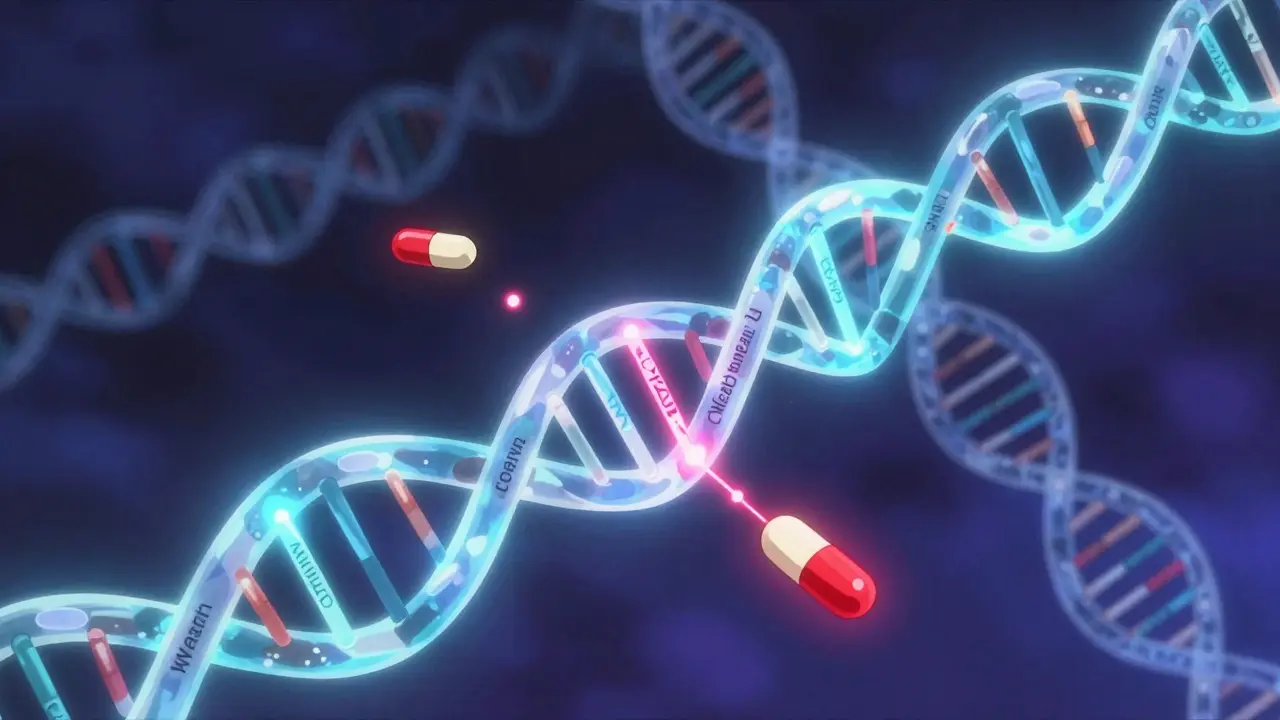
Pharmacogenomics reveals how your genes affect how your body processes medications, uncovering hidden drug interaction risks that standard checkers miss. Learn how genetic variants like CYP2D6 and CYP2C19 impact safety and why testing can prevent serious adverse reactions.
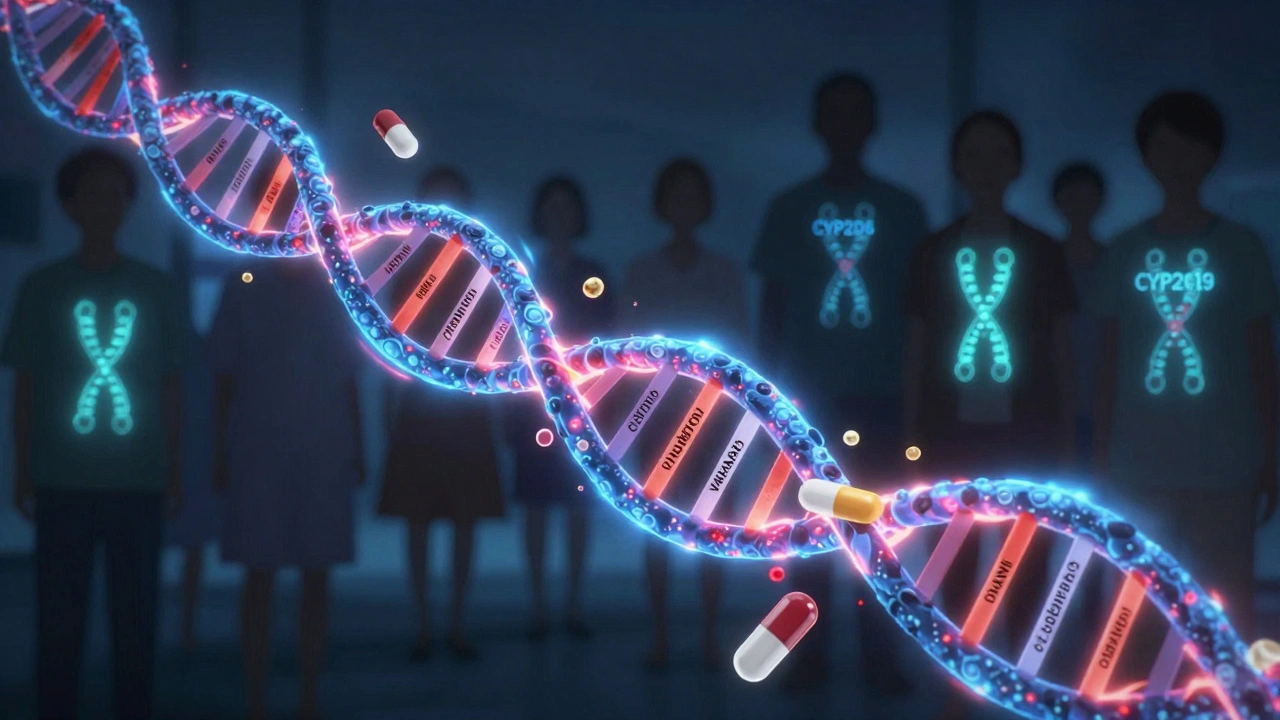
Pharmacogenetic testing analyzes your genes to predict how you'll react to medications, preventing dangerous side effects. Studies show it cuts adverse drug reactions by 30%, saving lives and healthcare costs.