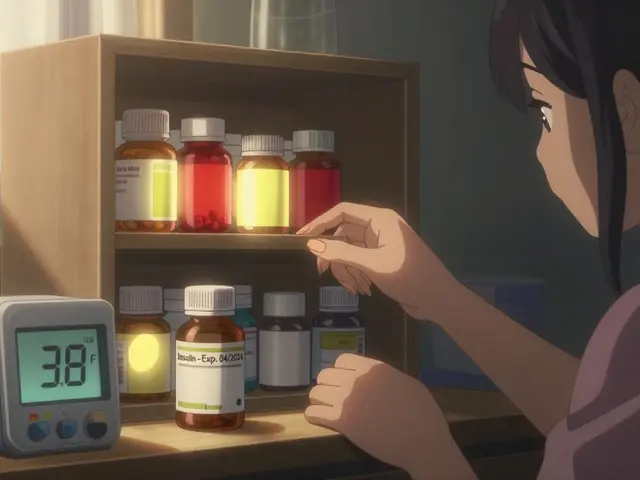

Throwing away a perfectly good bottle of aspirin because the date passed last month feels wasteful. Most people know that old painkillers won’t kill you-they just might be a little weaker. But there is a dangerous trap waiting for those who apply this same logic to their most critical health tools. When it comes to insulin, epinephrine autoinjectors (EpiPens), and nitroglycerin, expiration dates are not suggestions. They are hard deadlines.
Using these medications past their prime doesn't just mean they might be less effective. It means they can fail completely when you need them most. A failed dose of insulin can send your blood sugar into a deadly spike. An expired EpiPen might not stop anaphylaxis, leaving you gasping for air. Old nitroglycerin can leave you vulnerable to a heart attack while you think you're treating chest pain. Let’s break down exactly why these three drugs are different from everything else in your medicine cabinet, how they degrade, and what you must do to stay safe.
Why These Three Drugs Are Different
You might have heard about the FDA’s Shelf Life Extension Program, which found that many drugs remain potent years after their expiration dates. That study covered stable pills like antibiotics and antacids. It did not cover biologics or unstable compounds. Insulin, epinephrine, and nitroglycerin fall into the "high-risk" category for entirely different chemical reasons.
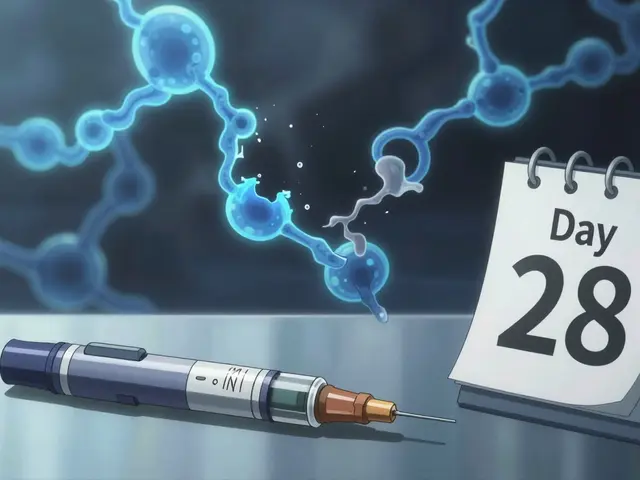
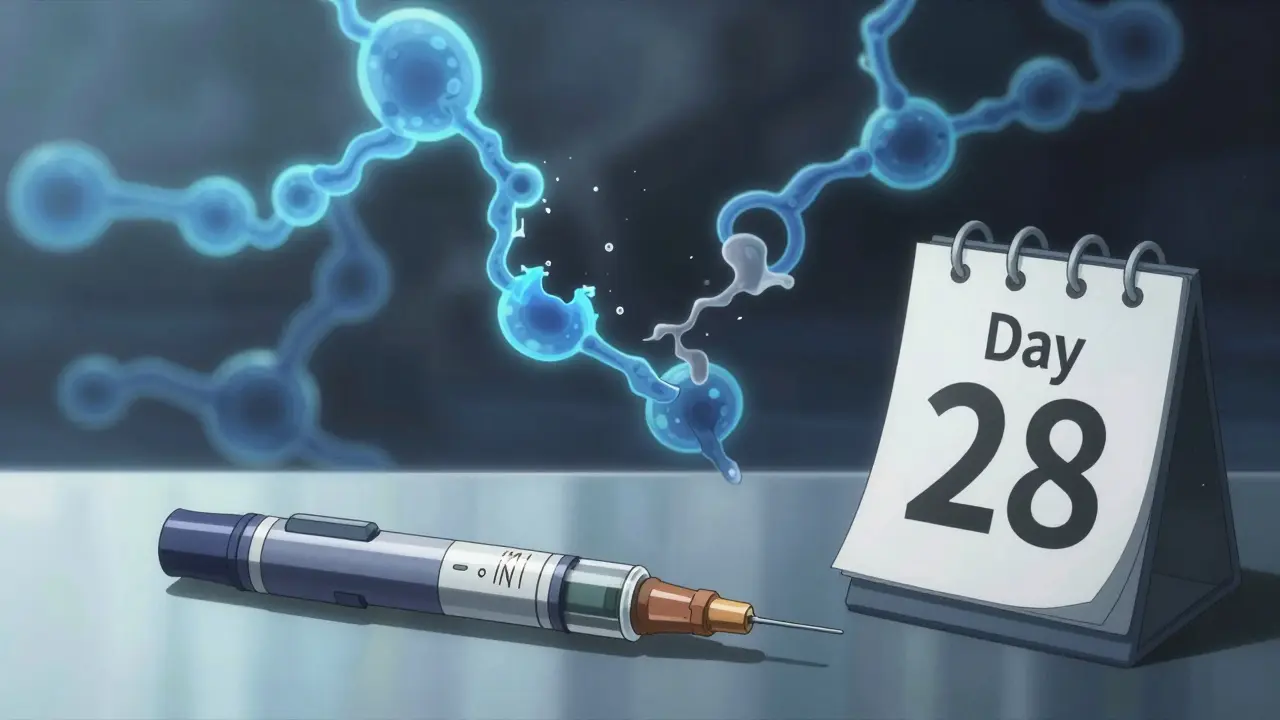
Insulin is a protein-based biologic. Think of it like fresh meat rather than a dried cracker. Proteins are complex structures that unravel over time. Once that structure breaks, the body can no longer recognize or use the molecule effectively. Studies show that insulin stored at room temperature can lose up to 50% of its efficacy just six months past expiration. This isn't a gradual fade; it's a structural collapse.
Epinephrine (the active ingredient in EpiPens) is chemically unstable. It reacts with oxygen and light. Mylan Pharmaceuticals’ stability data shows that even before the expiration date hits, epinephrine loses about 10% of its potency annually. After the date passes, that degradation accelerates rapidly. An EpiPen that is one year expired may deliver only half the dose needed to save a life during a severe allergic reaction.
Nitroglycerin sublingual tablets are incredibly sensitive to heat, moisture, and air. In fact, they start degrading the moment you open the bottle. A 2018 study published in the Journal of Pharmaceutical Sciences found that nitroglycerin loses roughly 20% of its potency within 30 days of opening. If you keep that bottle for six months past its printed expiration date, it is likely useless. The American Heart Association warns that relying on expired nitro during chest pain can lead to emergency room visits instead of relief.
The Hidden Dangers of Expired Insulin
For people with diabetes, insulin is non-negotiable. But managing its expiration involves two separate timelines that often confuse patients. First, there is the manufacturer’s printed expiration date on the vial or pen. Second, there is the "open-use" expiration.
Unopened insulin must be refrigerated between 36°F and 46°C (2-8°C). Once you take it out of the fridge and start using it, the clock changes. Most insulins expire 28 to 42 days after first use, regardless of what the box says. Using insulin glargine (Lantus) that is three months past expiration has been linked to cases of diabetic ketoacidosis requiring intensive care. One patient reported wild blood glucose swings-ranging from 50 to 450 mg/dL-after using slightly expired insulin, leading to a hospital stay.
Here is the rule: Never use insulin that looks cloudy if it should be clear, or vice versa. Check the color and clarity every time. If it has been sitting in a hot car or left out too long, toss it. Your blood sugar levels will tell you if the drug is working, but by then, the damage may already be done.
EpiPens: Better Than Nothing, But Risky
Anaphylaxis moves fast. Throat swelling can cut off your airway in minutes. This creates a moral dilemma: Is an expired EpiPen better than nothing? The American College of Allergy, Asthma, and Immunology (ACAAI) says yes, but with major caveats.
If you are having a severe allergic reaction and only an expired autoinjector is available, use it. Call 911 immediately. Tell the responders you used an expired device. However, do not rely on it as your primary defense. Data shows that EpiPens delivered only 52-68% of their labeled dose twelve months past expiration. That missing percentage could be the difference between stabilizing your breathing and needing intubation.
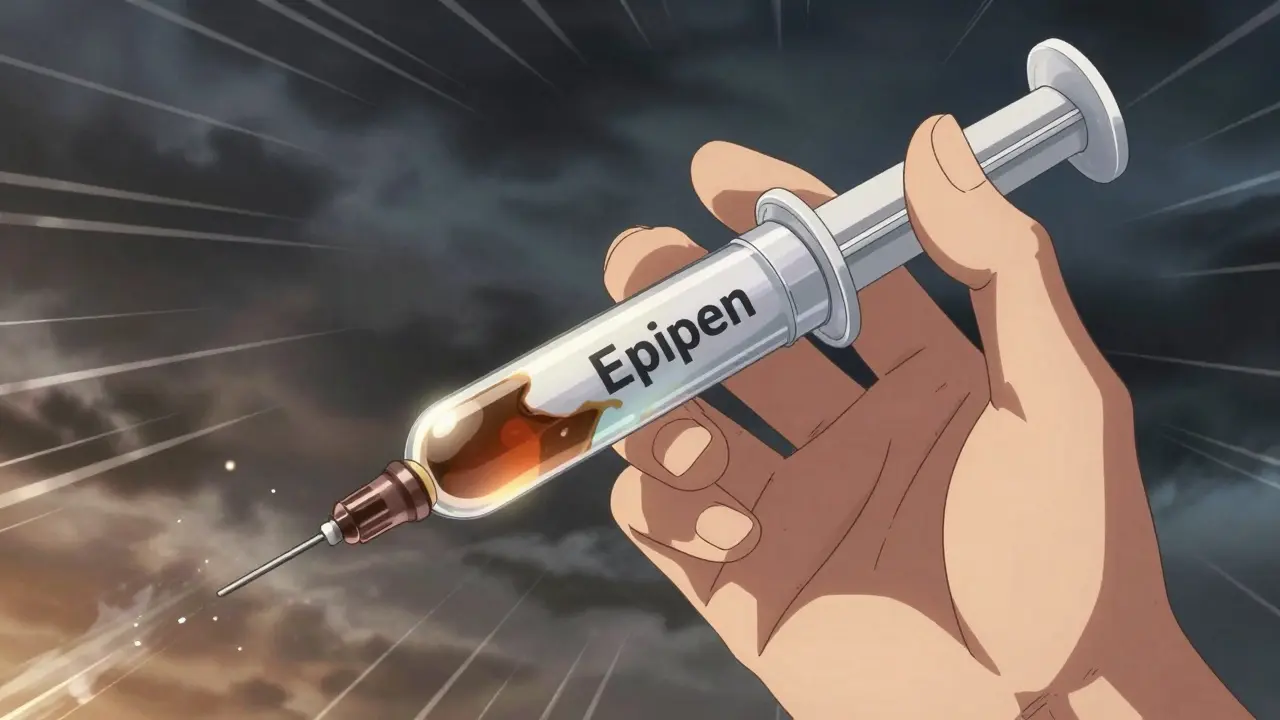
Visual inspection is key here. Epinephrine solution should be crystal clear. If you see any brownish tint or particles floating inside the cartridge, throw it away immediately. Do not use it. The degradation products can cause additional irritation, and the potency is gone. Keep a backup device and check the date monthly. Set a reminder on your phone for three months before it expires so you can replace it without panic.
Nitroglycerin: The Clock Starts When You Open It
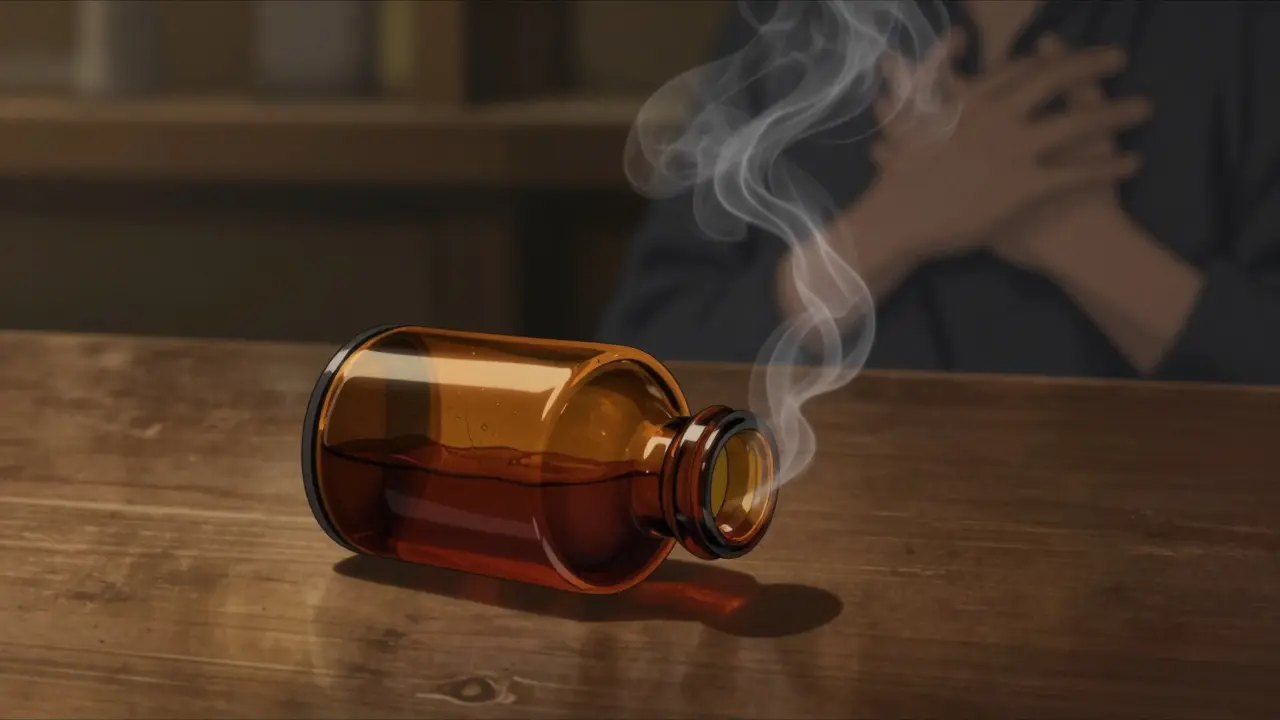
Nitroglycerin is unique because its shelf life begins ticking down the second you unscrew the cap. Air exposure is its enemy. This is why it comes in amber glass bottles-not plastic. Plastic allows more air permeability, accelerating the loss of potency.
The American Heart Association recommends replacing nitroglycerin bottles every three to six months after opening, even if the printed expiration date is still far away. Many cardiac patients carry their nitro in wallets or pockets, exposing it to body heat and friction. This is a recipe for failure. A 2023 study from Baptist Health found that 78% of patients who used expired nitroglycerin during chest pain episodes ended up in the ER, compared to only 22% of those using in-date medication.
If you place a tablet under your tongue and feel no tingling or warmth, do not assume you are fine. Assume the drug has degraded. Take another dose if prescribed, but call emergency services immediately. Do not drive yourself. The lack of effect is a warning sign that your heart is not getting the help it needs.
| Medication | Primary Degradation Factor | Potency Loss Timeline | Storage Requirement |
|---|---|---|---|
| Insulin | Protein breakdown, Heat | Up to 50% loss 6 months post-expiration | Refrigerate until opened; 28-42 days after opening |
| EpiPen (Epinephrine) | Oxygen, Light, Time | ~10% annual loss; <50% potency 6+ months post-expiration | Room temp, protect from light; check clarity |
| Nitroglycerin | Air, Moisture, Heat | 20% loss in 30 days after opening | Original amber glass bottle; replace every 3-6 months |
Practical Steps to Manage Expiration Dates
"Expiration date blindness" is real. A University Hospitals study found that 67% of cardiac patients had expired nitroglycerin in their kits during routine check-ups. To avoid being part of that statistic, adopt these habits:
- Double Calendar System for Insulin: Mark the day you open your vial on your fridge door or phone calendar. Set an alarm for 28 days later. Discard any remaining insulin, even if the printed date is next year.
- Quarterly EpiPen Checks: Put a sticker on your EpiPen case with the replacement date. When you buy a new one, write the new date on the old box before throwing it away. This creates a paper trail of when you replaced it.
- Replace Nitro Proactively: Don't wait for the chest pain to test the nitro. Buy a new bottle every four months. Store it in its original glass container. Never transfer it to a pill organizer.
- Smart Disposal: Do not flush these medications. The FDA advises returning expired insulin and epinephrine to pharmacies for hazardous waste disposal. Environmental contamination is a serious concern with biologics and potent vasoconstrictors.
Cost vs. Safety: The Hard Truth
We live in a time where healthcare costs are high. It is tempting to squeeze every last drop out of an insulin pen or hold onto an EpiPen for an extra year to save money. A 2023 University of Michigan study found that 43% of low-income patients deliberately use expired insulin due to cost constraints. Eighteen percent reported adverse events as a result.
Consider the cost of failure. A trip to the ICU for diabetic ketoacidosis costs tens of thousands of dollars. Intubation for anaphylaxis carries risks of brain damage or death. The savings from delaying a prescription renewal pale in comparison to the financial and physical toll of a medical emergency caused by weak medication.
If cost is a barrier, talk to your pharmacist. Manufacturer assistance programs exist for both insulin and EpiPens. Generic nitroglycerin is widely available and affordable. Never gamble with your life to save a few dollars on a drug that is designed to keep you alive.
Future Innovations and What to Watch For
The industry is aware of these challenges. We are seeing a shift toward smarter packaging and more stable formulations. Sanofi recently received approval for Toujeo Max, which offers 56 days of room temperature stability after puncture, double the standard timeframe. Adamis Pharmaceuticals launched Symjepi, an epinephrine autoinjector with a 24-month shelf life, addressing the frequent need to replace EpiPens.
Look for "smart" indicators in the future. Vericel Corporation is developing nitroglycerin tablets with color-changing stability indicators that alert you when potency drops below 90%. Until these technologies become standard, however, you must rely on discipline and strict adherence to expiration rules.
Your medication is only as good as its chemistry. Respect the dates. Check the labels. Replace proactively. Your health depends on it.
Can I use insulin that is one week past its expiration date?
It is not recommended. While some studies suggest minimal loss in very short windows, insulin is a biologic protein that degrades unpredictably. Using it even slightly past expiration can lead to erratic blood sugar control. Always prioritize in-date medication for consistent results.
What should I do if my EpiPen is expired during an allergic reaction?
If you are experiencing anaphylaxis and have no other option, use the expired EpiPen. Call 911 immediately. Inform emergency responders that the device was expired. Note that potency may be reduced, so you may require additional doses administered by professionals.
How long does nitroglycerin last after opening the bottle?
Nitroglycerin begins losing potency immediately upon opening. The American Heart Association recommends replacing the bottle every 3 to 6 months after opening, regardless of the printed expiration date on the label. Store it in the original amber glass container to minimize air exposure.
Does storing insulin in the fridge extend its life after opening?
No. Once an insulin vial or pen is opened and used, it should generally be kept at room temperature for comfort and stability. Refrigerating opened insulin does not extend its 28-42 day post-opening lifespan and can make injections more painful. Follow the specific manufacturer guidelines for your type of insulin.
How should I dispose of expired EpiPens and insulin?
Do not flush these medications down the toilet. The FDA recommends returning expired insulin and epinephrine autoinjectors to a pharmacy for proper hazardous waste disposal. Many pharmacies have take-back bins or can arrange for safe disposal to prevent environmental contamination.