

You take your morning pill, just like you always do. But this time, something feels off. A rash breaks out on your arms. Your throat tightens. You wonder if the medicine itself is the problem. It might not be. More often than people realize, allergic reactions to generics stem from the non-active parts of the pill-the fillers, dyes, and binders that hold it together. These invisible components can trigger severe immune responses in sensitive individuals, even when the active drug is identical to the brand-name version you’ve tolerated for years.
This isn’t a rare glitch. It’s a documented medical reality affecting thousands of patients annually. Understanding why these reactions happen, how to spot them early, and exactly when to call for help can mean the difference between a manageable skin irritation and a life-threatening emergency. Let’s break down what’s really inside those pills and how to stay safe.
The Hidden Culprits: Inactive Ingredients Explained
When regulators approve a generic drug, they require it to contain the same active pharmaceutical ingredient (API) as the brand-name original. The API is the part that actually treats your condition. However, the rest of the pill-often called inactive ingredients-can vary significantly between manufacturers. These include lactose, magnesium stearate, gluten, peanut oil, and synthetic dyes like tartrazine (FD&C Yellow No. 5).
According to the Food and Drug Administration (FDA), generic drugs must demonstrate bioequivalence, meaning they deliver the same amount of active drug into your bloodstream within a range of 80-125% compared to the brand name. This standard ensures therapeutic effectiveness but does not mandate identical inactive formulations. A 2022 study in the *Journal of Generic Medicines* found that 83% of generic drug formulations contain at least one different inactive ingredient compared to their brand-name counterparts. Of those, 27% contained ingredients known to cause allergic reactions in susceptible individuals.
| Ingredient | Prevalence in Generics | Primary Risk Group | Typical Reaction |
|---|---|---|---|
| Lactose | 28% of oral generics | Lactose-intolerant patients | Gastrointestinal distress, bloating |
| Gluten | 12% of generics | Celiac disease patients | Intestinal inflammation, fatigue |
| Tartrazine (Yellow #5) | 15% of liquid generics | Dye-sensitive individuals | Hives, asthma exacerbation |
| Peanut Oil | 8% of injectable generics | Peanut allergy sufferers | Anaphylaxis, shock |
| Magnesium Stearate | Variable | Sensitive immune systems | Rash, itching |
The American Academy of Allergy, Asthma & Immunology (AAAAI) reports that approximately 5-10% of adverse reactions to generic medications are attributable to these inactive components rather than the active drug itself. This means that if you reacted to a brand-name drug in the past, you might tolerate the generic-and vice versa. Conversely, tolerating a brand doesn’t guarantee safety with a generic if the manufacturer changes the filler profile.
Recognizing Symptoms: From Mild to Severe
Allergic reactions manifest differently depending on your body’s response and the specific allergen involved. Recognizing the severity level is crucial for determining your next steps. Reactions are generally categorized into mild, moderate, and severe (anaphylactic) tiers.
Mild Reactions
Mild reactions typically involve localized skin issues. According to ACAAI data from 2023, 68% of mild cases present with a rash, while 42% report hives (urticaria) and 57% experience itching (pruritus). These symptoms usually appear within hours of ingestion and may resolve on their own or with over-the-counter antihistamines. However, ignoring them can be risky. The American Academy of Family Physicians (AAFP) warns that 65% of initial mild reactions progress to more severe reactions upon subsequent exposure if the allergen is not identified and avoided.
Moderate Reactions
Moderate reactions affect multiple body systems. The Cleveland Clinic’s Drug Allergy Registry analysis (2022) indicates that respiratory symptoms like wheezing occur in 31% of moderate cases. Gastrointestinal issues such as nausea or vomiting appear in 24%, and facial swelling (angioedema) affects 29%. If you experience any combination of these symptoms, particularly if they persist beyond two hours, you need professional evaluation.
Severe Reactions: Anaphylaxis
Anaphylaxis is a medical emergency. While rare-occurring in approximately 0.02-0.04% of generic medication administrations according to a 2023 meta-analysis in *Annals of Allergy, Asthma & Immunology*-it is deadly without immediate intervention. Key signs include:
- Throat tightness or difficulty swallowing (present in 87% of anaphylaxis cases)
- Respiratory distress, including stridor or a respiratory rate exceeding 30 breaths per minute (92% of cases)
- Severe hypotension, defined as systolic blood pressure dropping below 90 mmHg or falling more than 30% from baseline (78% of cases)
- Syncope (fainting) or confusion
The American College of Allergy, Asthma & Immunology notes that 43% of severe reactions develop within 15 minutes of ingestion. Another 38% manifest between 15-60 minutes. Delayed hypersensitivity reactions can take several hours to appear, making vigilance essential even after you think you’re in the clear.

When to Seek Medical Care: A Clear Decision Guide
Knowing when to act is the most critical part of managing drug allergies. Here is a straightforward breakdown based on guidelines from the National Institute of Allergy and Infectious Diseases (NIAID) and the Food Allergy Research & Education (FARE) organization.
Call 911 Immediately If:
- You experience respiratory compromise: wheezing, stridor (a high-pitched sound when breathing in), or rapid breathing (>30 breaths/min).
- You have cardiovascular symptoms: dizziness, fainting, or a significant drop in blood pressure.
- You notice involvement of two or more organ systems simultaneously (e.g., skin rash plus vomiting, or hives plus throat swelling).
- Your lips, tongue, or throat begin to swell rapidly.
In these scenarios, do not wait. Use an epinephrine auto-injector if available and call emergency services. FARE data shows that 91% of anaphylaxis cases involving medication require epinephrine within 5-15 minutes of symptom onset for optimal outcomes. Every minute counts.
Contact Your Healthcare Provider Within 24 Hours If:
- You have persistent hives lasting longer than 6 hours.
- You experience moderate swelling of the face, lips, or eyes.
- Gastrointestinal symptoms like nausea or diarrhea do not resolve within 2 hours.
- You feel generally unwell with a combination of mild symptoms that aren’t improving.
Your doctor may prescribe antihistamines or corticosteroids to manage the reaction and prevent escalation. They will also document the event to update your medical records.
Schedule an Allergist Appointment Within 72 Hours If:
- You had a mild reaction (rash, itching) that has resolved.
- You suspect a reaction to a specific inactive ingredient.
- You want to confirm whether you are truly allergic to the drug class or just sensitive to a filler.
The AAFP emphasizes that even mild reactions warrant medical evaluation to identify the specific allergen. Formal testing can distinguish between true allergy and intolerance. Dr. Kimberly Blumenthal of Massachusetts General Hospital highlights that 90% of patients labeled as penicillin-allergic can safely take penicillin after proper evaluation. Mislabeling leads to unnecessary avoidance of effective medications.
Proactive Strategies: How to Protect Yourself
You don’t have to guess which ingredients are in your pills. Taking proactive steps can significantly reduce your risk of unexpected reactions.
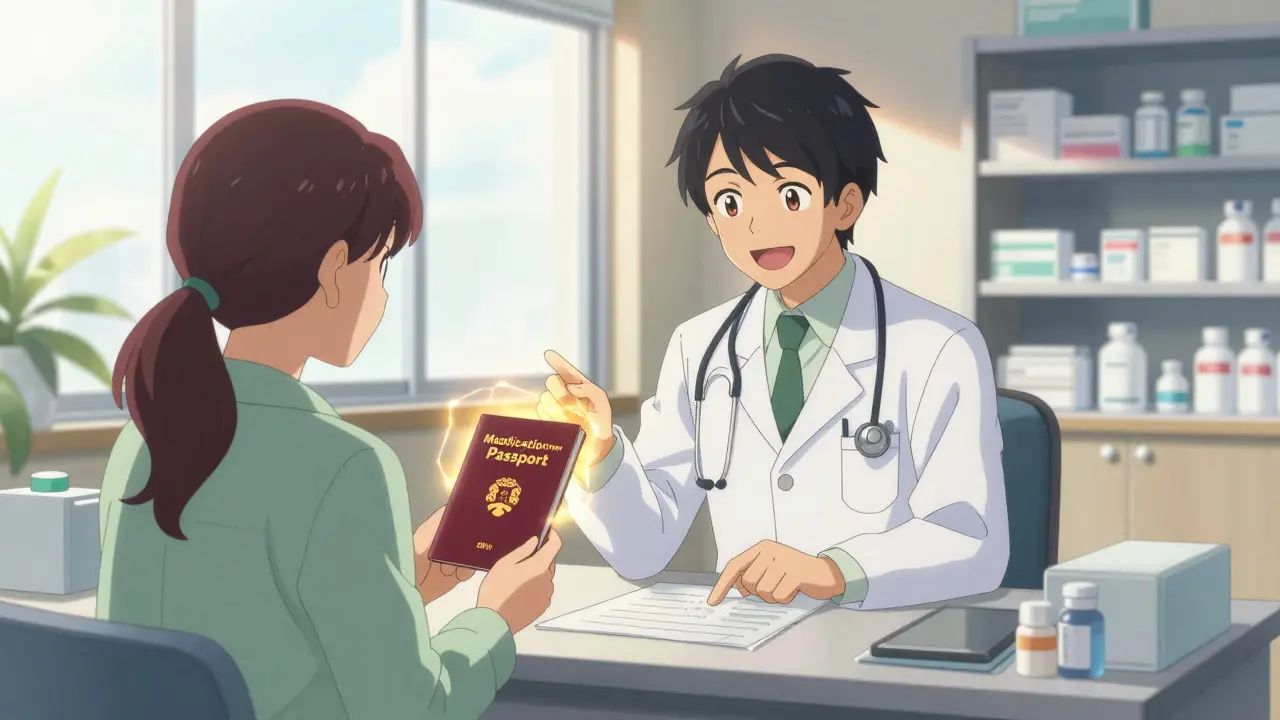
1. Maintain a Medication Allergy Passport
The American Pharmacists Association recommends creating a detailed list of all problematic inactive ingredients, not just drug names. Carry this “passport” with you to every pharmacy visit and doctor’s appointment. A 2022 pilot study showed this simple practice reduced adverse drug events by 29%. Include specifics like “sensitive to tartrazine dye” or “intolerant to lactose fillers.”
2. Ask for Specific Formulations
Not all generics are created equal. Approximately 38% of major generic manufacturers now offer specialized versions that are dye-free, gluten-free, or lactose-free, according to the Generic Pharmaceutical Association’s 2023 Transparency Report. When filling a prescription, explicitly ask your pharmacist if a hypoallergenic formulation is available. For example, if you react to yellow dyes, request a white or uncoated tablet if possible.
3. Utilize the FDA Inactive Ingredient Database
The FDA maintains a comprehensive database cataloging over 1,200 inactive ingredients and their concentrations in specific formulations. You can search this resource online before starting a new medication. Share the results with your pharmacist to verify compatibility with your known sensitivities.
4. Consider Brand-Name Exceptions When Necessary
If you have a documented, severe reaction to multiple generic versions of a drug due to inactive ingredients, discuss a brand-name exception with your insurer. While costlier, the peace of mind and safety benefit may outweigh the expense. Some insurance plans cover brand-name drugs if a letter of medical necessity is provided by your allergist.
5. Get Tested, Not Just Labeled
Formal drug allergy testing costs approximately $350-$600 (2023 pricing) but prevents an estimated $2,500-$4,000 in unnecessary alternative medication costs annually per patient, according to the Cleveland Clinic. Testing helps remove incorrect allergy labels from your chart, allowing you to use safer, more effective treatments in the future.
Real-World Context: Why Awareness Is Growing
Awareness of generic-specific allergies is rising because more people are experiencing them. Healthgrades data shows that generic medication-related allergy complaints increased by 22% between 2019 and 2022. Patient satisfaction scores regarding communication about inactive ingredients averaged only 2.8 out of 5 stars, highlighting a gap in provider-patient dialogue.
Consider the case of a patient with a known peanut allergy who experienced anaphylaxis after receiving generic propofol containing peanut oil, despite tolerating the brand-name version previously. This incident was reported to the FDA MedWatch program in March 2022. Such cases underscore why assuming “generic equals identical” is dangerous for those with specific sensitivities.
Dr. Elina Jerschow, Chair of the American College of Allergy, Asthma & Immunology's Drug Allergy Committee, advises: “Patients with known allergies to specific compounds should always review the inactive ingredient list of generic medications and discuss alternatives with their pharmacist.” This proactive approach empowers you to take control of your health rather than reacting to crises.
Conclusion: Stay Informed, Stay Safe
Allergic reactions to generics are real, preventable, and manageable. By understanding the role of inactive ingredients, recognizing early warning signs, and knowing exactly when to seek care, you protect yourself from unnecessary harm. Don’t hesitate to advocate for your health. Ask questions, check labels, and build a partnership with your pharmacist and allergist. Your safety depends on the details others might overlook.
Can I be allergic to a generic drug if I’m not allergic to the brand name?
Yes. While the active ingredient is the same, generic drugs often contain different inactive ingredients like fillers, dyes, or binders. If you are sensitive to one of these specific inactive components in the generic version, you can have an allergic reaction even though you tolerate the brand-name drug perfectly.
How quickly do allergic reactions to generics usually appear?
Severe reactions like anaphylaxis often develop within 15 minutes of ingestion (43% of cases), with another 38% appearing between 15-60 minutes. Mild reactions like rashes may take several hours to manifest. Delayed hypersensitivity reactions can sometimes appear days later, though this is less common with acute allergies.
What are the most common inactive ingredients that cause allergies?
The most frequent culprits include lactose (found in 28% of oral generics), gluten (12%), tartrazine dye/Yellow #5 (15% of liquids), and peanut oil (8% of injectables). Magnesium stearate is also a common binder that can trigger reactions in sensitive individuals.
Should I stop taking my generic medication if I get a mild rash?
You should contact your healthcare provider immediately. Do not ignore a rash, as 65% of initial mild reactions can progress to more severe reactions upon subsequent exposure. Your doctor may advise stopping the medication, switching to a different generic manufacturer, or prescribing an antihistamine to manage the symptoms.
Is it worth paying more for brand-name drugs if I have allergies?
It depends on your specific sensitivities. If you have a severe, documented allergy to inactive ingredients commonly found in generics, and no hypoallergenic generic is available, the brand-name option may be safer. Discuss a "brand-name exception" with your insurer, supported by a letter from your allergist, to potentially lower the cost.