

Getting a chemotherapy prescription is overwhelming, but the battle often extends beyond the clinic and into your kitchen. It is a frustrating irony: your body needs more energy than ever to heal and recover, yet the treatment often makes the very idea of eating feel impossible. When nausea hits or your taste buds change, maintaining your weight isn't just about "eating healthy"-it's about survival and staying strong enough to complete your treatment without delays.
Many people believe that eating "clean" or following a strict anti-cancer diet is the goal during treatment. However, the priority shifts during active chemotherapy. The goal is no longer long-term prevention; it is immediate nutritional support. Whether you're dealing with the "metallic taste" of chemotherapy or a total loss of appetite, the focus is on keeping your lean muscle mass and preventing the malnutrition that affects up to 80% of patients.
The Golden Rule: Calories and Protein Over Perfection
During chemotherapy, your body's metabolic needs spike. You aren't just fighting cancer; you're repairing the healthy cells that the treatment accidentally damages. According to guidelines from the European Society for Clinical Nutrition and Metabolism (ESPEN), your protein needs can nearly double compared to a healthy adult. While a typical person needs about 0.8g of protein per kilo of body weight, someone on chemo may need between 1.2 and 2.0g per kilo to prevent muscle wasting.
If you find yourself struggling to eat, stop worrying about where the calories come from. This is not the time for restrictive dieting. In fact, restricting calories during active treatment can increase toxicity and delay your recovery. Focus on chemotherapy nutrition that is calorie-dense. Think of every bite as a chance to fuel your recovery. If you can only manage a few spoonfuls of full-fat Greek yogurt or a peanut butter cracker, that is a win.
Beating the Nausea: Practical Eating Strategies
Nausea is perhaps the most dreaded side effect of cytotoxic treatments. When the smell of cooking food triggers a wave of sickness, the traditional "three square meals a day" approach fails. The most effective strategy is to pivot to five or six small meals daily, aiming for about 300-400 calories each. This prevents your stomach from becoming too full (which can worsen nausea) while ensuring a steady stream of energy.
Here are some concrete ways to manage your meals when you're feeling sick:
- Separate your sips: Drink liquids between meals rather than with them. Filling your stomach with water during a meal can make you feel bloated and full faster, leaving no room for high-protein foods.
- Go cold: Hot foods release more aromas, which are often the primary trigger for nausea. Try chilled watermelon, frozen grapes, or cold sandwiches. Many patients find that cold foods are much easier to tolerate.
- Fight the "Metal Mouth": Chemotherapy can leave a metallic taste in your mouth. Switching to plastic utensils instead of stainless steel can significantly reduce this sensation.
- The Power of Ginger: Ginger chews or ginger tea are widely cited by survivors as helpful tools for calming the stomach between treatment cycles.

Maintaining Weight and Fighting Muscle Loss
Weight loss during chemo isn't just about the number on the scale; it's about losing lean muscle mass, which can leave you feeling exhausted and weak. To stop the slide, you need to increase your caloric intake by 20-30% over your usual baseline.
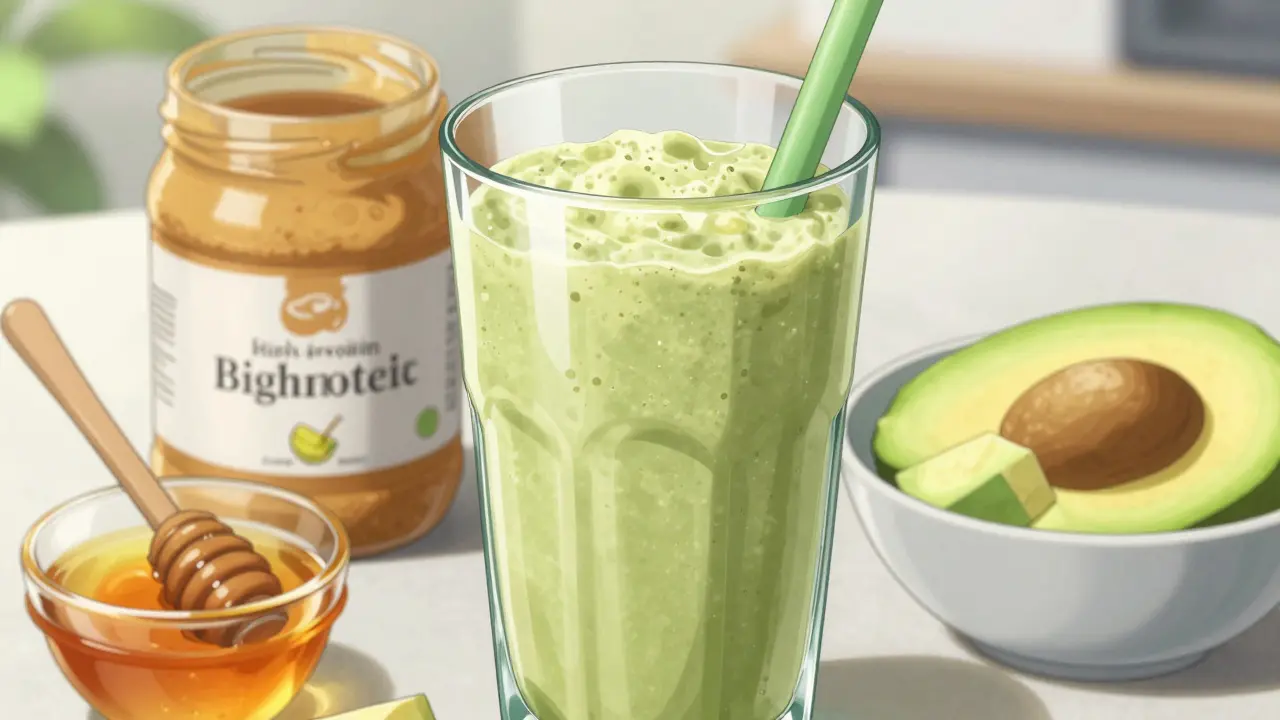
When your appetite disappears, liquid nutrition becomes your best friend. While commercial shakes are convenient, they can be expensive. Many people find success with homemade protein shakes using full-fat Greek yogurt, peanut butter, and honey. This provides a concentrated dose of protein and healthy fats in a form that's easier to consume than a heavy meal.
| Attribute | General Healthy Adult | Patient Undergoing Chemotherapy |
|---|---|---|
| Protein Intake | ~0.8 g/kg/day | 1.2 - 2.0 g/kg/day |
| Caloric Needs | 20-25 kcal/kg/day | 25-30 kcal/kg/day |
| Meal Frequency | 3 Main Meals | 5-6 Small, Frequent Meals |
| Fiber Focus | High Fiber (Whole Grains) | Reduced Fiber (Refined Grains if diarrhea occurs) |
Additionally, keep an eye on Omega-3 fatty acids. Research suggests that long-chain N-3 fatty acids (found in fish oil) can help stabilize appetite and may increase body weight in patients who are struggling to maintain their mass.
Food Safety: Protecting Your Immune System
Chemotherapy doesn't just target cancer; it often lowers your white blood cell count, leaving you vulnerable to infections. This means your food safety rules must be much stricter than usual. A piece of rare steak or a raw egg that wouldn't bother a healthy person could lead to a serious infection for someone who is immunosuppressed.
To keep yourself safe, follow these non-negotiable rules:
- No raw or rare meats/fish: Ensure all meats are cooked thoroughly. Avoid sushi or raw oysters entirely during your treatment cycles.
- Cook your eggs: Egg yolks should reach at least 160°F (71°C). This means no homemade Caesar dressing or homemade mayonnaise containing raw eggs.
- Wash everything: Scrub fruits and vegetables thoroughly. If you're feeling particularly depleted, stick to peeled fruits or steamed vegetables to reduce the risk of surface bacteria.

Dealing with Mouth Sores and Taste Changes
Mucositis, or inflammation of the mucous membranes, can cause painful mouth sores that make chewing a nightmare. When this happens, the texture of your food becomes as important as the nutrients.
Switch to soft, moist foods that glide down the throat. Avoid acidic foods (like orange juice) or spicy seasonings, which can sting open sores. Pureed soups, smoothies, and mashed avocados are great options. If your mouth feels scorched or sore, sucking on frozen grapes or small pieces of ice can numb the area and provide a small amount of hydration and glucose.
What should I do if I can't eat anything at all?
If you reach a point where you cannot tolerate any food or water, contact your oncology team immediately. In severe cases, such as aggressive mucositis, doctors may use enteral nutrition (feeding tubes) or parenteral nutrition (IV feeding) to ensure you get the nutrients needed to continue treatment. This affects about 15-20% of patients on aggressive regimens and is a vital safety net.
Are protein shakes better than real food?
Neither is "better," but shakes are more practical when you have no appetite. They allow you to get high concentrations of protein and calories without the effort of chewing or the volume of a full meal. Homemade versions with Greek yogurt and nut butters are often more palatable and cheaper than store-bought options.
Why do I need so much more protein during chemo?
Chemotherapy causes a state of metabolic stress. Your body breaks down muscle tissue (nitrogen imbalance) to get the energy it needs to repair cells. Increasing protein intake to 1.2-2.0 g/kg/day helps protect your lean muscle mass and supports your immune system in fighting off infections.
Can I still eat high-fiber foods like brown rice?
Usually, yes. But if you are experiencing chemotherapy-induced diarrhea, you should temporarily switch to refined grains (like white rice or white bread) and reduce your fiber intake to 10-15g per day to allow your gut to recover.
How can I track if I'm eating enough?
Keep a simple food diary for a week. Aim for at least 25-30 calories per kilogram of your body weight and check your protein totals. If you find you're consistently under these marks, it's time to add "calorie boosters" like olive oil, butter, or cream to your meals.
Next Steps for Your Nutrition Plan
If you're just starting your journey, don't try to master everything on day one. Begin by implementing the small, frequent meal pattern immediately. Keep a stash of high-calorie snacks-like peanut butter crackers or trail mix-in every room of your house so that eating requires zero effort when you actually have a window of appetite.
If you're struggling with the cost of supplements, focus on whole-food alternatives like avocados, nut butters, and full-fat dairy. Finally, ask your clinic if they have a registered dietitian who specializes in oncology. Having a professional adjust your plan based on your specific blood work and side effects can significantly reduce the risk of treatment delays.