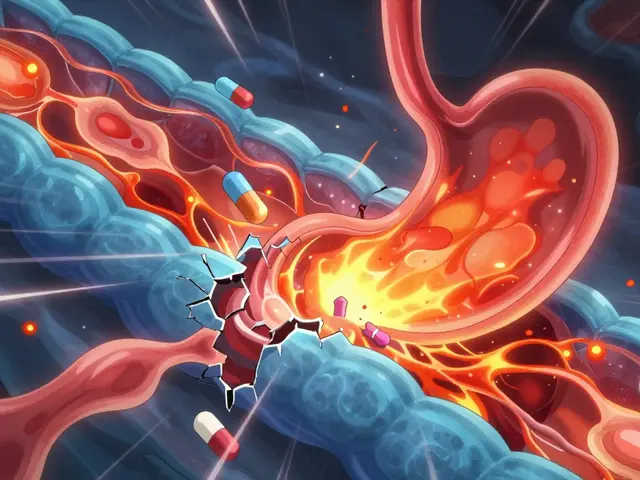


Your dog just knocked over a bottle of pills. Your cat is acting strangely quiet after you left the bathroom door open. In these moments, panic sets in, but seconds count. Human medications are the leading cause of preventable pet emergencies, accounting for nearly 28% of all poisonings reported to animal poison control centers. The difference between a full recovery and a tragedy often comes down to how quickly you recognize the signs.
You don’t need a veterinary degree to spot the red flags. You do need to know what to look for based on the specific drug involved. This guide breaks down exactly how to identify an overdose, why certain pets are at higher risk, and the immediate steps you must take to save your companion’s life.
Why Human Meds Are So Dangerous to Pets
We tend to think of our homes as safe zones, but for a curious pet, they are minefields. According to data from the Pet Poison Helpline, there were over 150,000 cases of pet poisoning in the U.S. alone in 2023. Of those, human pharmaceuticals were the primary culprit in a significant portion.
The issue isn't just that pets eat things they shouldn't; it's that their bodies process chemicals differently than ours. Dogs make up about 85% of these cases, largely because they are scavengers by nature. Cats account for the remaining 15%, but they are often more vulnerable to lower doses due to unique metabolic gaps. For example, cats lack a specific liver enzyme called glucuronyl transferase. This means drugs like acetaminophen (Tylenol), which are generally safe for humans in small amounts, can be fatal to a cat in doses as low as 10mg per kilogram of body weight.
| Medication Class | Common Brand Names | Toxic Dose (Dogs) | Toxic Dose (Cats) | Key Symptom Cluster |
|---|---|---|---|---|
| NSAIDs | Ibuprofen, Naproxen | >50 mg/kg | >5 mg/kg | Vomiting, kidney failure, GI ulcers |
| Acetaminophen | Tylenol | >150 mg/kg | >10 mg/kg | Brown gums (cats), liver damage (dogs) |
| ADHD/Stimulants | Adderall, Ritalin | >0.5 mg/kg | >0.5 mg/kg | Hyperthermia, rapid heart rate, seizures |
| Antidepressants (SNRIs) | Effexor | >2.5 mg/kg | Extremely toxic (any amount) | Tremors, agitation, high fever |
Spotting the Signs: Symptoms by Drug Type
Recognizing an overdose requires looking beyond general "sickness." Different drug classes attack different systems in the body, creating distinct symptom profiles. Here is what to watch for.
Stimulants (Adderall, Ritalin, Concerta)
If your pet ingests ADHD medication, symptoms hit fast-often within 15 to 60 minutes. These drugs act as central nervous system stimulants. Look for:
- Extreme Agitation: Pacing, inability to settle, or aggressive behavior.
- Hyperthermia: Body temperature spiking above 104°F (40°C). Feel their ears and belly; they will feel hot to the touch.
- Tachycardia: Heart rates can exceed 220 beats per minute. A normal dog heart rate is 60-140 bpm.
- Dilated Pupils: Their eyes may appear fixed and wide open, even in dim light.
In severe cases, this progresses to seizures. Time is critical here. Without intervention, the combination of high heat and rapid heart rate can lead to organ failure.
Antidepressants (SSRIs and SNRIs)
Drugs like Prozac (fluoxetine) and Effexor (venlafaxine) are common household items but dangerous for pets. SSRIs can cause serotonin syndrome. Symptoms include:
- Tremors and Shaking: Often mistaken for shivering from cold, but occurs in warm environments.
- Vocalization: Uncharacteristic whining, howling, or crying.
- Disorientation: Bumping into walls, stumbling, or appearing "drunk.">
- Fever: Temperatures ranging from 103°F to 106°F.
Effexor is particularly deadly for cats. Because it often has a sweet coating, cats may binge on an entire bottle. Just one capsule can cause life-threatening tremors and seizures in a feline.
Painkillers (NSAIDs and Acetaminophen)
This category includes ibuprofen (Advil, Motrin), naproxen (Aleve), and acetaminophen (Tylenol). Unlike stimulants, symptoms here may be delayed by 1 to 6 hours, giving owners a false sense of security.
Ibuprofen/Naproxen: These primarily damage the gastrointestinal tract and kidneys. Watch for:
- Vomiting: Present in over 90% of cases.
- Melena: Black, tarry stools indicating internal bleeding.
- Lethargy: Extreme tiredness as kidney function declines.
Acetaminophen: This is a silent killer for cats. Within 1-4 hours, look for:
- Brown Mucous Membranes: Lift your cat’s lip. Healthy gums are pink. Brown or gray gums indicate methemoglobinemia, where blood loses its ability to carry oxygen.
- Cyanosis: Blue tint to gums or tongue.
- Swollen Face/Paws: Due to fluid retention.

The Critical First 2 Hours
Data from the Merck Veterinary Manual shows that 93% of successful outcomes occur when treatment begins within two hours of ingestion. After that window, toxins are absorbed into the bloodstream and begin damaging organs, making reversal much harder.
Here is your immediate action plan:
- Secure the Scene: Remove any remaining medication. Count the pills if possible to estimate the dose.
- Check Vital Signs: Take their temperature. Check gum color. Note pupil size.
- Call for Help: Do not wait for symptoms to worsen. Call the Pet Poison Helpline (1-800-213-6680) or the ASPCA Animal Poison Control Center (888-426-4435). Both operate 24/7.
- Do Not Induce Vomiting Unless Told: Some substances cause more damage coming back up than going down (e.g., corrosives or petroleum-based products). Wait for professional advice.
- Transport Safely: If driving to a vet, keep the car cool and dark to reduce stress and agitation, especially for stimulant overdoses.
Species-Specific Risks: Dogs vs. Cats
While both dogs and cats suffer from medication overdoses, their biological differences change the risk profile significantly.
Dogs are prone to "scavenger syndrome." They will eat anything accessible. Benzodiazepines (like Xanax) often cause a paradoxical reaction in dogs. Instead of sedation, 52% of canine cases exhibit increased agitation and aggression. This makes handling them difficult during transport.
Cats have a limited capacity to metabolize many drugs due to missing liver enzymes. They are exquisitely sensitive to:
- Acetaminophen: As noted, even tiny amounts are fatal.
- Essential Oils and NSAIDs: Cats lack the enzymes to break down salicylates found in some pain relievers.
- Extended-Release Formulations: Drugs like Effexor XR release medication slowly. A cat might seem fine initially, then crash hours later as the drug peaks.

Prevention: Securing Your Home
Recognition is vital, but prevention is better. With polypharmacy increasing among adults (the average adult over 65 takes 4.7 medications), the risk of accidental exposure rises.
- Childproof Caps Aren't Enough: Pets can chew through plastic. Use lockboxes or high shelves.
- Dispose Properly: Don't flush meds unless instructed. Use pharmacy take-back programs or mix old pills with unappealing substances (like coffee grounds) in sealed bags before trash disposal.
- Supplement Caution: Vitamins and supplements containing iron or xylitol are also toxic. Keep these out of reach too.
When to Go to the ER vs. Regular Vet
If your pet is seizing, having trouble breathing, or unconscious, go to the nearest emergency veterinary hospital immediately. If symptoms are mild (e.g., single episode of vomiting) and you suspect a low dose, call your regular vet first. They may advise monitoring or inducing vomiting at home. However, when in doubt, err on the side of caution and seek emergency care.
What should I do if my dog ate one Tylenol pill?
For a large dog, one 325mg pill might not be immediately fatal, but it can still cause liver stress. For a small dog or any cat, it is an emergency. Call the Pet Poison Helpline immediately. Do not wait for symptoms. Early decontamination (like activated charcoal) prevents absorption.
How long does it take for Adderall to affect a dog?
Symptoms typically appear within 15 to 60 minutes. Look for extreme agitation, dilated pupils, and elevated body temperature. Immediate veterinary attention is required to manage heart rate and temperature.
Can I induce vomiting at home?
Only if instructed by a veterinarian or poison control expert. Hydrogen peroxide is commonly used, but the dosage must be precise. Incorrect use can cause aspiration pneumonia or esophageal burns. Always consult a pro first.
Why are cats more sensitive to human medications?
Cats lack certain liver enzymes, specifically glucuronyl transferase, which helps break down many drugs. This means toxins stay in their system longer and at higher concentrations, leading to faster and more severe organ damage compared to dogs or humans.
What are the signs of kidney failure from Ibuprofen?
Early signs include vomiting and lethargy. As kidney function declines, you may see decreased appetite, excessive thirst, increased urination followed by no urination, and bad breath. Blood tests showing elevated BUN and creatinine levels confirm the diagnosis.