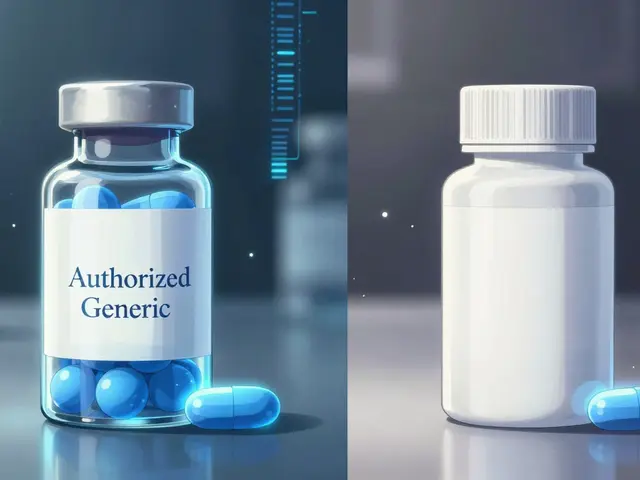

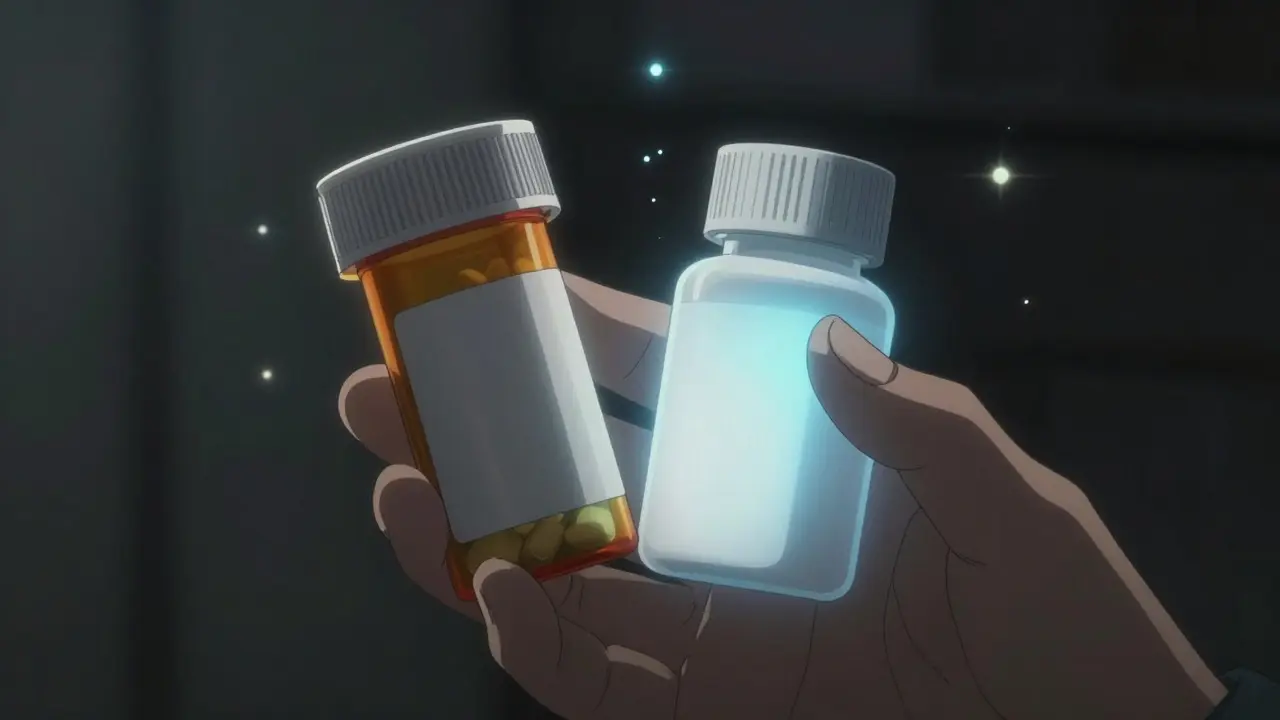
Have you ever stared at a prescription bottle, noticed the price dropped significantly, and wondered if your medicine was still "the real thing"? You are not alone. This hesitation is common, but the clinical evidence tells a surprisingly reassuring story for most patients. Generic drugs are pharmaceutical products containing the same active ingredient, dosage form, strength, route of administration, quality, performance characteristics, and intended use as their brand-name counterparts, marketed under non-proprietary names once patent protection expires. While they may look different on the shelf, rigorous scientific data confirms that for the vast majority of medications, generics are just as safe and effective as their expensive brand-name predecessors.
The Science Behind the Swap: Bioequivalence Standards
To understand why generics work, we need to look at how regulators like the U.S. Food and Drug Administration (FDA) approve them. The process isn't about guessing; it's about strict mathematical proof. Under the Hatch-Waxman Act of 1984, manufacturers don't need to repeat massive, multi-year human trials for every new generic. Instead, they submit an Abbreviated New Drug Application (ANDA). This application must prove two critical things: pharmaceutical equivalence and bioequivalence.
Pharmaceutical equivalence means the generic has the exact same active ingredient, strength, dosage form (like a tablet or capsule), and route of administration (oral, topical, etc.) as the brand-name drug. Bioequivalence is where the heavy lifting happens. Manufacturers conduct pharmacokinetic studies to measure how the body absorbs the drug. They track metrics like Cmax (maximum concentration in the blood) and AUC (area under the curve, representing total exposure).
The FDA requires that the 90% confidence interval for these metrics falls within an 80-125% range compared to the brand-name reference product. In plain English, this means the generic delivers the drug into your bloodstream at a rate and extent that is statistically indistinguishable from the brand for clinical purposes. If a generic fails this test, it never reaches the pharmacy shelf. As of 2023, this rigorous system allows generics to account for approximately 90% of prescriptions dispensed in the United States, saving consumers an average of 80-85% compared to brand prices.
Clinical Outcomes: What Do Large-Scale Studies Show?
Regulatory standards are one thing, but real-world health outcomes are another. When we look at large population studies, the results overwhelmingly favor generics-or at least show them to be equal. A landmark 2020 study published in Nature Scientific Reports by Dr. Aaron Kesselheim of Harvard Medical School analyzed nearly all insured persons in Austria from 2007 to 2012. The findings were striking: generic medications were associated with significantly fewer deaths in 10 of the 17 investigated drugs. Specifically, after adjusting for patient factors, generic formulations showed 40.6 deaths per 1,000 patient-years compared to 45.8 for branded medicines. Major adverse cardiac and cerebrovascular events (MACCE) were also lower with generics (51.3 vs. 83.6 per 1,000 patient-years).
This suggests that when cost barriers are removed, more patients adhere to their treatment plans, leading to better overall health outcomes. However, science is rarely black and white. Some smaller studies have raised eyebrows. For instance, a 2013 review in the Journal of Clinical Pharmacy and Therapeutics documented cases where 30% of patients discontinued generic treatment due to perceived inefficacy or side effects after switching from brands. Specific case reports mentioned therapeutic failure with generic ciprofloxacin compared to the brand Ciproxin. Similarly, a 2017 Canadian study found increased adverse events after the introduction of generics for certain blood pressure medications like losartan and valsartan among elderly patients.
So, who is right? The consensus among experts is that while individual variations exist, the aggregate data supports generic safety. The Canadian study’s findings have been debated extensively, with many researchers suggesting that unmeasured confounding factors-such as changes in patient monitoring or other concurrent medications-might explain the slight increase in adverse events rather than the drug itself. Dr. Niteesh Choudhry of Harvard Medical School stated in 2018 that "the existing data are reassuring" regarding generic drug quality, acknowledging isolated concerns but emphasizing the robustness of the overall evidence base.

The Exceptions: Narrow Therapeutic Index Drugs
If generics are so good, why do some doctors hesitate? The answer lies in a specific category known as Narrow Therapeutic Index (NTI) drugs. These are medications where the difference between a therapeutic dose and a toxic dose is very small. Tiny variations in absorption can lead to significant clinical consequences. Common NTI drugs include warfarin (a blood thinner), levothyroxine (for thyroid conditions), and certain anti-epileptics like phenytoin.
For these medications, the standard 80-125% bioequivalence range might allow for slightly more variability than clinicians prefer. The FDA acknowledges this and often recommends that patients stay on the same manufacturer’s product whether it is brand or generic. The American Thyroid Association, for example, recommends consistent use of either brand or generic levothyroxine without frequent switching. User experiences reflect this caution. On online forums, patients frequently report issues with generic levothyroxine, with one user noting their TSH levels spiked from 1.2 to 8.7 after switching to a generic despite maintaining the same dose. For NTI drugs, consistency is key. If you are taking one of these, ask your pharmacist to ensure you receive the same manufacturer each time.
Inactive Ingredients: The Hidden Variable
One area where generics legally differ from brands is in their inactive ingredients, also known as excipients. These include fillers, binders, dyes, and preservatives. While they do not affect the primary therapeutic action, they can matter for specific groups of people. A patient allergic to lactose might tolerate a brand-name pill but react to a generic that uses lactose as a filler. Similarly, differences in dyes can cause reactions in sensitive individuals.
A 2021 survey by the National Community Pharmacists Association found that 67% of pharmacists occasionally encounter patients reporting perceived reduced effectiveness or increased side effects after a brand-generic switch. These reports are highest for psychiatric medications and seizure disorders. However, data from the FDA’s Adverse Event Reporting System (FAERS) from 2018-2022 showed no significant difference in adverse event reports per million prescriptions between generic and brand-name versions of 15 commonly prescribed medications. The average was 12.7 reports per million for generics versus 13.2 for brands. This suggests that while individual sensitivities to excipients exist, they are not widespread enough to undermine the general safety profile of generics.
| Feature | Brand-Name Drug | Generic Drug |
|---|---|---|
| Active Ingredient | Original compound developed by innovator company | Identical active ingredient |
| Cost | High (reflects R&D and marketing costs) | Low (80-85% cheaper on average) |
| Approval Process | Full New Drug Application (NDA) with extensive clinical trials | Abbreviated New Drug Application (ANDA) focusing on bioequivalence |
| Inactive Ingredients | Proprietary formulation | May differ (fillers, dyes, binders) |
| Therapeutic Equivalence | Reference standard | Rated "AB" in FDA Orange Book for most drugs |
| Patient Perception | Often viewed as "higher quality" | Some concern over efficacy, though clinically unfounded for most |
Practical Advice for Patients and Providers
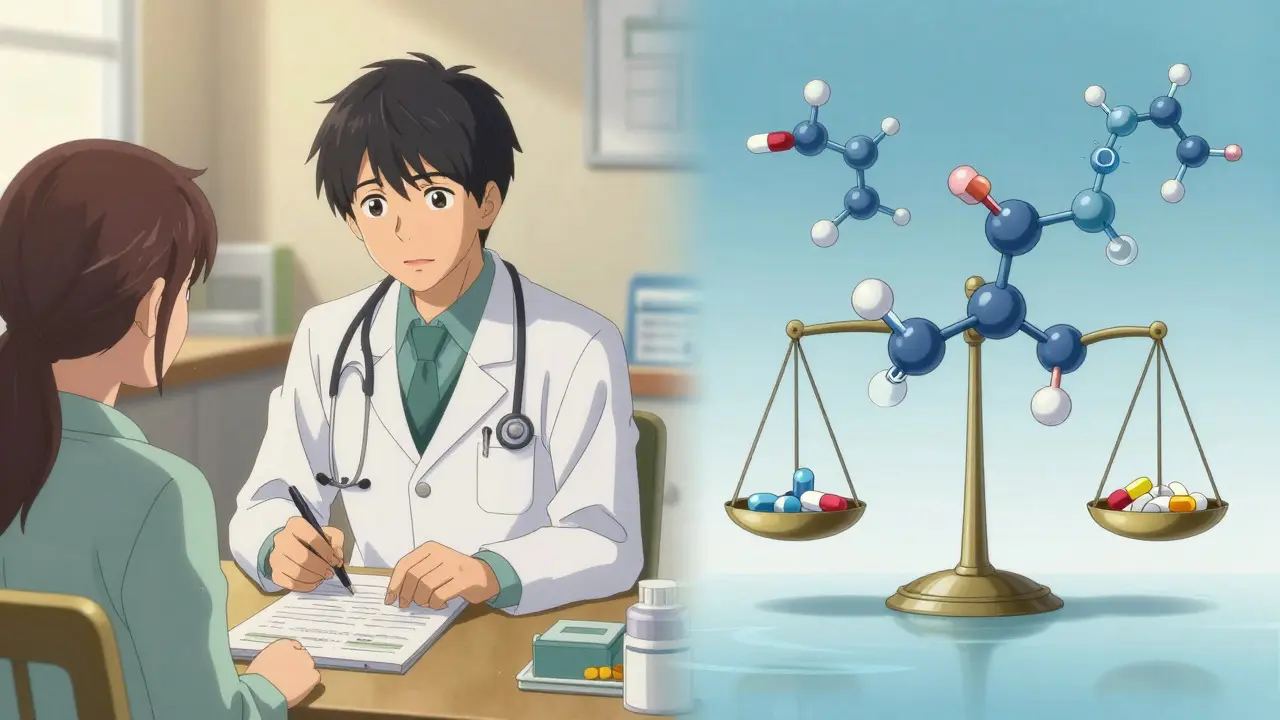
So, what should you do with this information? First, trust the process for most medications. Statins, ACE inhibitors, and proton pump inhibitors have near-universal generic adoption rates (over 90%) because the evidence for their interchangeability is rock-solid. Switching to these generics saves money without sacrificing health.
Second, communicate openly with your healthcare provider. If you feel a generic isn't working, don't just stop taking it. Report your symptoms. Your doctor might check your blood levels (for drugs like warfarin or lithium) to see if there is a measurable difference. Sometimes, the "nocebo effect"-where expecting a negative outcome causes actual physical symptoms-plays a role. Knowing that the drug is scientifically equivalent can sometimes alleviate anxiety-related side effects.
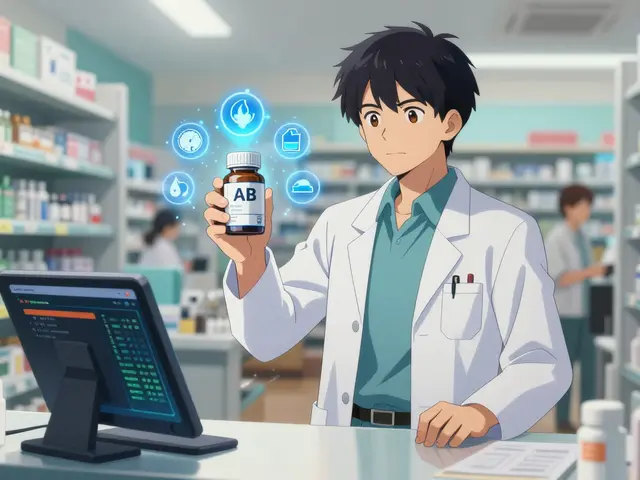
Third, use the FDA’s Orange Book. This resource lists therapeutic equivalence ratings. An "AB" rating means the generic is considered therapeutically equivalent to the brand. If you are concerned, ask your pharmacist to check this rating. Most states allow pharmacists to substitute generics automatically unless the prescriber writes "Dispense as Written." If you prefer the brand, tell your doctor. If you prefer the generic, know that you are making a medically sound choice supported by decades of data.
Market Trends and Future Outlook
The trend toward generics is accelerating. IQVIA data from 2023 shows that while generics represent only 18.3% of pharmaceutical spending, they account for 90.7% of prescriptions. This shift is driven by both economic necessity and regulatory confidence. The global generic market is projected to grow from $400.6 billion in 2022 to $661.4 billion by 2030. Regulatory bodies are also evolving. The FDA’s recent focus on "complex generics"-drugs like inhalers and topicals where traditional bioequivalence studies are harder to perform-shows a commitment to maintaining high standards even as the technology advances. With GDUFA III setting strict review timelines, the pipeline for new, affordable generic options remains strong.
Are generic drugs really the same as brand-name drugs?
Yes, for the vast majority of medications. Generics must contain the same active ingredient, strength, and dosage form as the brand-name drug. They are required to demonstrate bioequivalence, meaning they deliver the drug into your bloodstream at a similar rate and extent. While inactive ingredients may differ, the therapeutic effect is clinically equivalent.
Why are generic drugs so much cheaper?
Brand-name companies spend billions on research, development, and marketing to bring a new drug to market. Once the patent expires, generic manufacturers can produce the same drug without those initial R&D costs. They compete on price, driving costs down by 80-85% compared to brand equivalents.
Should I avoid generics for thyroid or seizure medications?
Not necessarily avoid, but be cautious. These are often Narrow Therapeutic Index (NTI) drugs. Small variations in absorption can have bigger effects. It is recommended to stick with the same manufacturer (brand or generic) consistently. Consult your doctor before switching, and monitor your blood levels closely if a change occurs.
Can inactive ingredients in generics cause allergies?
Yes. While the active ingredient is the same, generics may use different fillers, dyes, or binders. If you have known allergies to lactose, gluten, or specific dyes, inform your pharmacist. They can help identify a generic formulation that avoids your specific allergens.
How does the FDA ensure generic drug quality?
The FDA requires manufacturers to submit an Abbreviated New Drug Application (ANDA) proving bioequivalence through rigorous pharmacokinetic studies. Facilities are inspected regularly, and the FDA maintains the Orange Book to list therapeutic equivalence ratings. Recent initiatives like GDUFA III further tighten review standards and timelines.