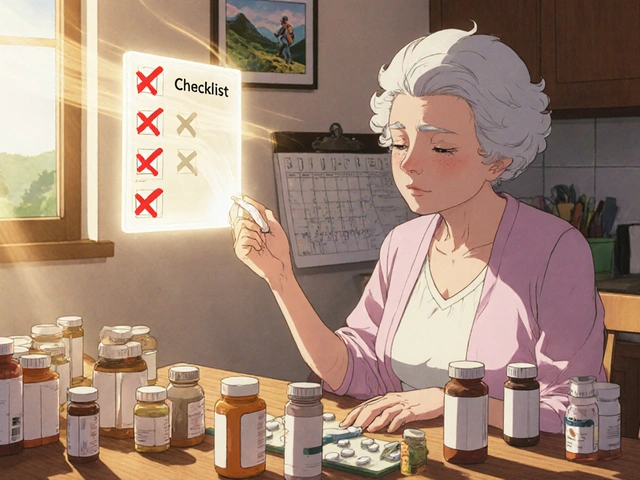


Picture this: It’s Tuesday morning. You’re rushing to get the kids to school, coffee in hand, when your phone buzzes. A notification from your pharmacy says your blood pressure medication is ready for pickup. You didn’t call them yesterday. You didn’t log into an app last week. The system just knew you were running low and handled it. This isn't science fiction; it's the reality of automated refills for millions of Americans.
For people managing chronic conditions like hypertension, diabetes, or high cholesterol, staying on top of prescriptions is a full-time job. Missing doses can lead to hospital visits, while remembering to refill scripts adds mental clutter to daily life. Automated refill systems promise to remove that friction. But does setting up "set it and forget it" medicine delivery actually help you stay healthy, or does it create new risks? Let’s look at how these systems work, where they shine, and where you need to pay attention.
How Automated Refill Systems Work
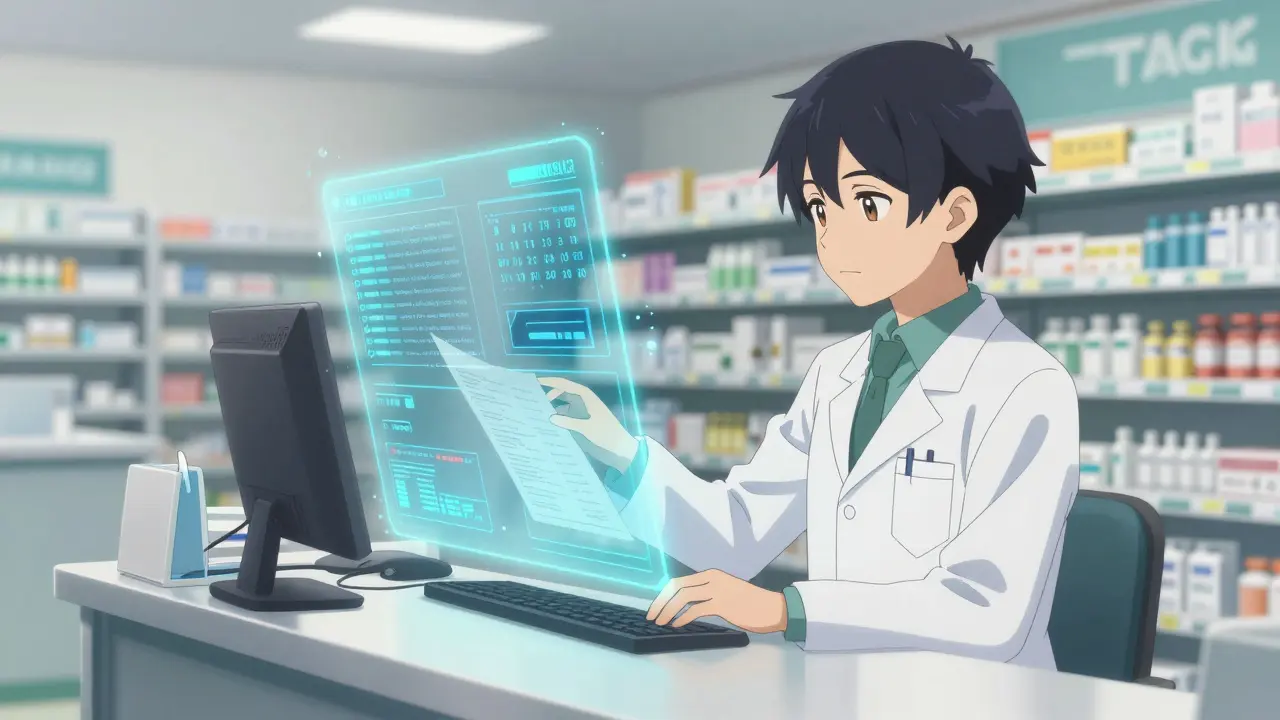
At its core, an automated refill system is a scheduling tool built into pharmacy management software. Instead of waiting for you to realize you have three pills left and call the pharmacy, the system tracks your prescription history. It calculates when you will run out based on your dosage instructions-usually one pill a day-and triggers the refill process automatically.
Typically, the pharmacy initiates the refill five to seven days before you are projected to run out. This buffer gives you time to pick it up or have it delivered without ever facing a gap in treatment. For generic medicines, which often have stable dosages and long-term usage plans, this works smoothly. The pharmacist reviews the request, checks for interactions, and processes it. If everything looks good, the medication is prepared.
These systems rely on electronic health records (EHRs) and patient consent. When you enroll, you agree to let the pharmacy initiate refills within specific limits. Most systems allow for a certain number of refills per year or until a specific expiration date. Once those limits are reached, or if your doctor changes the prescription, the automation stops, and you’ll need to take action again.
The Adherence Advantage
Why do pharmacies push these programs so hard? It comes down to adherence. The World Health Organization estimates that about 50% of patients with chronic conditions in developed countries don’t take their medications as prescribed. This nonadherence costs the healthcare system billions and leads to worse health outcomes.
Data suggests automated refills help bridge this gap. A 2016 study published in PMC by Lester et al. looked at Medicare Part D participants. They found that patients enrolled in automatic refill programs had significantly higher adherence rates compared to those who managed refills manually. Specifically, adherence improved by 7.2% for statins (cholesterol meds), 3.9% for RASA drugs (blood pressure), and 6.8% for diabetes medications.
This improvement matters because consistency is key for chronic diseases. Small gaps in coverage can cause blood sugar spikes or blood pressure fluctuations. By removing the barrier of "remembering to ask," these systems keep patients on track. For elderly patients or those with memory challenges, this feature can be a lifeline, helping maintain adherence rates above 95% in some cases.
Risks and Limitations of Automation
However, convenience isn’t free. There are real downsides to handing over control of your medication schedule to an algorithm. The biggest risk is what happens when your treatment plan changes.
If your doctor adjusts your dosage, the pharmacy must update your profile. If there’s a lag between the doctor’s order and the pharmacy’s system update, the automated refill might continue dispensing the old dose. Consumer Medication Safety documented cases in late 2024 where patients received their previous dosage despite a physician-ordered increase. For example, a patient needing a higher dose of diltiazem continued receiving the lower amount because the auto-refill hadn’t been paused or updated.
There’s also the issue of oversupply. While some studies show no increase in waste, others warn that early refill triggers can lead to hoarding. If you travel frequently or start a new medication regimen, having six weeks’ worth of pills sitting in your bathroom cabinet might not be ideal. Some Pharmacy Benefit Managers (PBMs) have even been accused of manipulating refill triggers to generate more revenue, though regulations are tightening around this practice.
Furthermore, KevinMD raised concerns in 2022 that automated refills reduce touchpoints between patients and pharmacists. Those brief conversations during pickup are often when pharmacists catch side effects, answer questions, or provide counseling. Removing that interaction could mean missing important health cues.
Comparing Delivery Options
Not all automated refills are created equal. You generally have three main paths: retail pharmacy pickup, mail-order services, and subscription-based digital platforms. Each has pros and cons depending on your lifestyle and needs.
| Feature | Retail Pharmacy Pickup | Mail-Order Services | Digital Subscriptions (e.g., RxPass) |
|---|---|---|---|
| Speed | Immediate (1-2 hours) | Slow (3-7 days shipping) | Moderate (2-5 days) |
| Cost | Standard copay | Often lower for 90-day supplies | Flat monthly fee ($5-$10) |
| Convenience | High (local access) | Medium (requires planning) | Very High (doorstep delivery) |
| Best For | Urgent needs, short-term meds | Stable chronic conditions | Common generics, budget-conscious users |
| Interaction | Face-to-face with pharmacist | Phone/Email support | App-based support |
Retail pharmacies like CVS or Walgreens offer the fastest turnaround. You can walk in and leave with your meds the same day. Mail-order services, often tied to insurance plans, send 90-day supplies directly to your home. This is great for stability but bad if you need a quick change. Newer models like Amazon Pharmacy’s RxPass charge a flat monthly fee for common generics. Launched in 2023, this model has seen an 18% increase in refills among Prime members, suggesting that price transparency drives engagement.
Setting Up Your Automated Refills
Getting started is usually straightforward, but you shouldn’t just click "yes" without understanding the settings. Here is how to set it up correctly:
- Choose Your Pharmacy: Decide whether you want local pickup or mail delivery. Local allows for easier communication if issues arise.
- Enroll via Portal or App: Most major chains allow you to set up auto-refills through their mobile apps. This takes about 8-12 minutes. Look for the "Refill Reminders" or "Auto-Refill" section.
- Select Notification Preferences: Choose how you want to be notified. SMS is often best for immediate awareness. Ensure you receive alerts when the refill is *ready*, not just when it’s *processing*.
- Verify Dosage and Frequency: Double-check that the system has the correct dosage. If you recently changed meds, manually override the auto-refill for the first cycle to ensure accuracy.
- Set Review Reminders: Calendar a quarterly check-in with yourself. Log into your pharmacy account every three months to review your active prescriptions. Cancel any you no longer need.
If you are older or less tech-savvy, ask your pharmacy technician for help. Many stores offer in-person enrollment assistance during off-peak hours. Don’t hesitate to use this resource-it ensures your data is entered correctly.
Tips for Safe Management
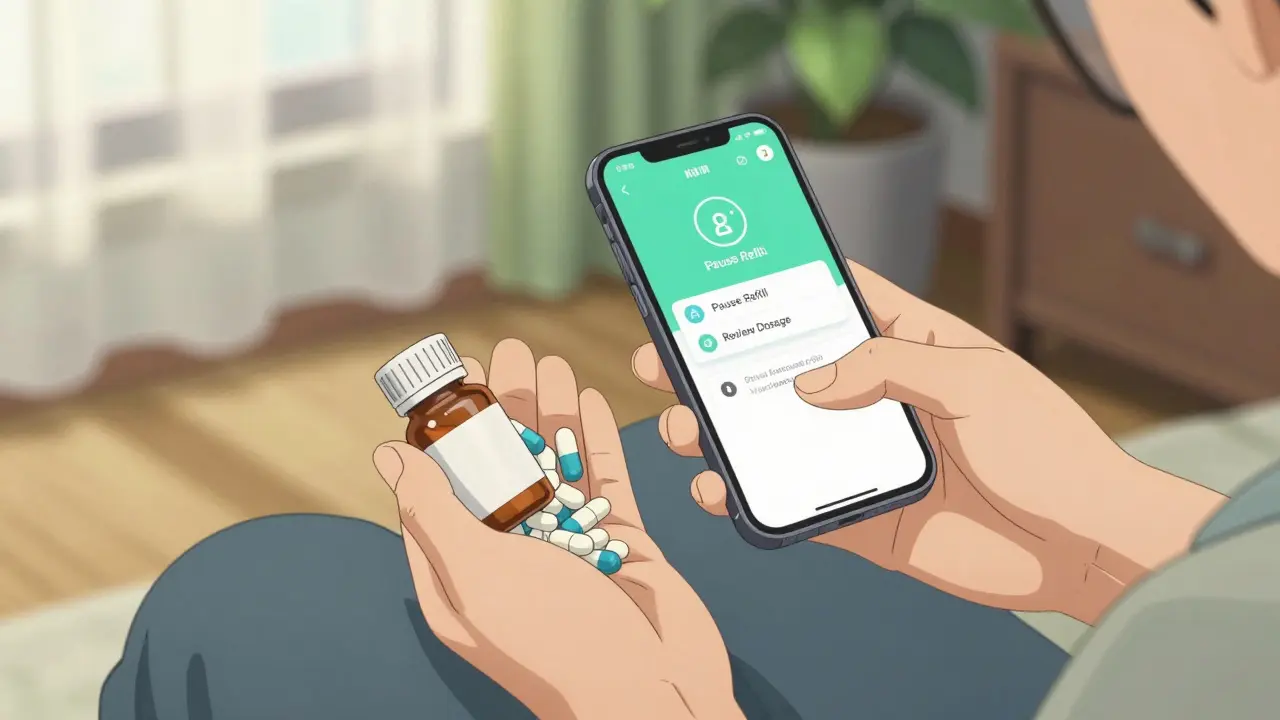
To get the benefits of automation without the risks, adopt a proactive stance. First, always inform your pharmacy immediately after a doctor’s visit where medication changes occurred. Call them directly rather than relying solely on electronic transmission, which can sometimes fail.
Second, monitor your inventory. Even with auto-refills, count your pills occasionally. If you notice you’re accumulating unused medication, pause the service. Conversely, if you’re consistently picking up refills right when you run out, adjust the trigger timing in your app settings to give yourself more buffer.
Third, utilize the pharmacist relationship. Use your pickup window to ask questions. "Have I been filling this too early?" or "Are there any new interactions with my other meds?" These conversations add value that algorithms cannot provide.
Future of Pharmacy Automation
The landscape is evolving rapidly. By 2026, we are seeing AI-driven personalization become standard. Instead of fixed schedules, systems analyze your actual pickup behavior. If you always pick up two days late, the system adjusts the trigger accordingly. Integration with smart pill bottles and Apple Health is also expanding, allowing seamless tracking of adherence across devices.
Regulatory bodies like CMS are increasing scrutiny on early refills to prevent waste. Expect tighter controls and better transparency in coming years. The goal is a balance: maximum convenience for the patient, minimum waste for the system, and consistent care for the provider.
Do automated refills really improve medication adherence?
Yes, evidence supports this. Studies show improvements ranging from 3.9% to 7.2% in adherence for chronic conditions like diabetes and hypertension. By removing the step of requesting a refill, patients are less likely to miss doses due to forgetfulness.
What happens if my doctor changes my dosage?
Ideally, the pharmacy updates your profile and pauses the auto-refill. However, errors can occur. Always call your pharmacy after a dosage change to confirm they have stopped the old auto-refill and started a new one with the correct instructions.
Can I cancel automated refills at any time?
Yes. You can cancel or pause automated refills through your pharmacy’s app, website, or by calling the store. It is recommended to review your subscriptions quarterly to avoid unwanted deliveries or pickups.
Is there a cost to use automated refill services?
Most traditional pharmacies offer automated refills for free as part of their service. However, some subscription models like Amazon RxPass charge a monthly fee (e.g., $5) for a bundle of generic medications. Check your specific pharmacy’s policy.
How far in advance does the pharmacy prepare my refill?
Typically, pharmacies initiate the refill process 5 to 7 days before you are projected to run out. This provides a buffer for processing and allows you to pick it up at your convenience without running out of medication.