
When you have high blood pressure, a condition where the force of blood against artery walls stays too high over time, increasing risk of heart attack, stroke, and kidney damage. Also known as hypertension, it’s often silent—no symptoms until something serious happens. That’s why managing it isn’t just about popping a pill. It’s about understanding what those pills do, what they interact with, and how your daily choices can make them work better—or worse.
Many people take calcium channel blockers, a class of drugs like amlodipine and felodipine that relax blood vessels to lower pressure—but grapefruit juice can turn them dangerous. One glass can spike drug levels in your blood, dropping your pressure too low and leaving you dizzy or faint. It’s not just grapefruit, either. Other citrus fruits like pomelos and Seville oranges can do the same. Then there’s SGLT2 inhibitors, a newer type of diabetes drug that also lowers blood pressure by making your kidneys flush out sugar and salt. These help your heart, but they can leave you dehydrated, especially if you’re not drinking enough water or sweating a lot. Dizziness? That’s not just aging—it might be your meds.
And it’s not just food and drugs. Older adults often take five or more medications, and many of them—like diuretics, beta-blockers, or even antidepressants—can pull blood pressure in different directions. That’s why medication reviews matter. What worked five years ago might be doing more harm than good now. Monitoring isn’t just for labs. It’s for how you feel: Are you lightheaded when you stand? Is your sleep messed up? Are your legs swollen? These aren’t side effects to ignore. They’re signals.
High blood pressure isn’t one-size-fits-all. Your treatment depends on your age, other conditions, what else you’re taking, and even what you eat for breakfast. That’s why the posts below cover real-world situations: how alcohol affects your meds, why certain antibiotics can mess with your pressure, what to do when your pills make you tired or thirsty, and how to talk to your doctor about cutting back. No fluff. No theory. Just what actually happens when you’re living with this condition—and how to stay safe while doing it.
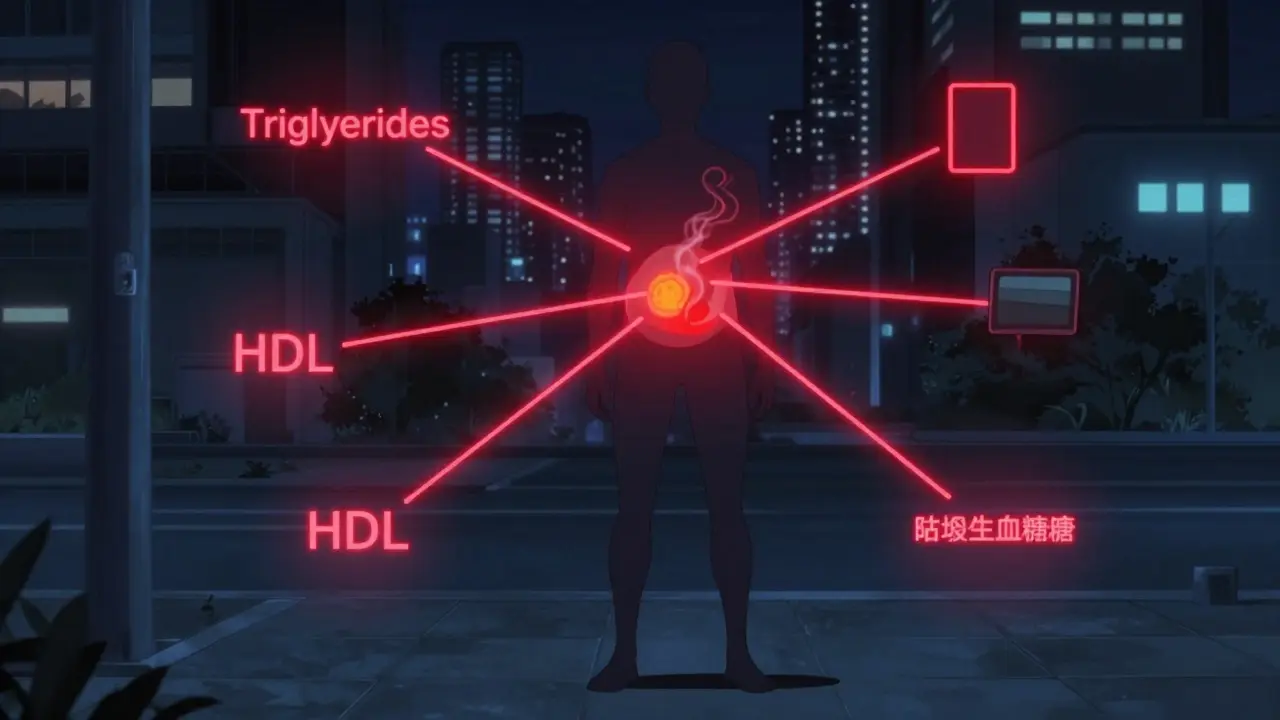
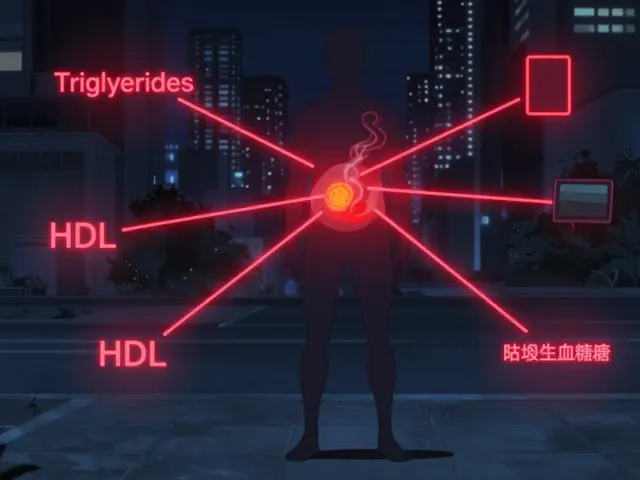
Metabolic syndrome is a cluster of five risk factors - including abdominal obesity, high blood pressure, and insulin resistance - that together greatly increase heart disease and diabetes risk. Learn how to identify it and reverse it with lifestyle changes.
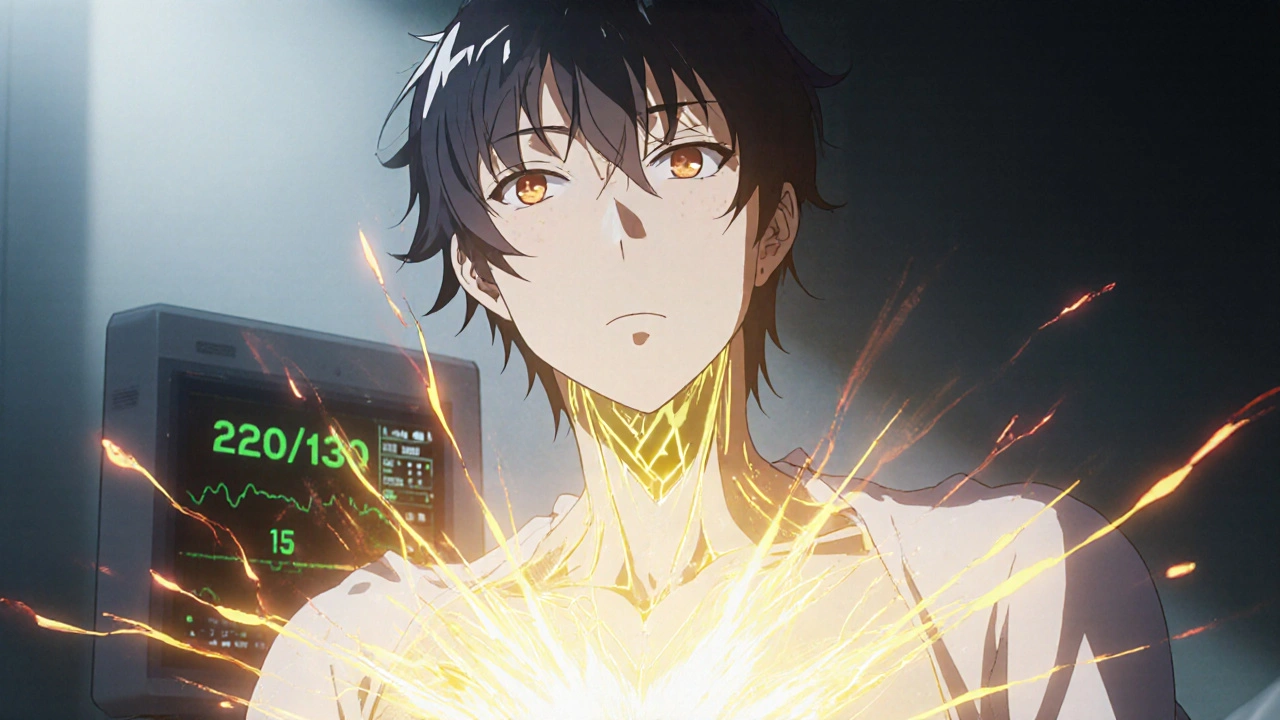
Pheochromocytoma is a rare adrenal tumor that causes dangerous spikes in blood pressure, sweating, and heart palpitations. Unlike common hypertension, it can be cured with surgery-but only if correctly diagnosed. Learn the symptoms, tests, and why pre-op preparation saves lives.