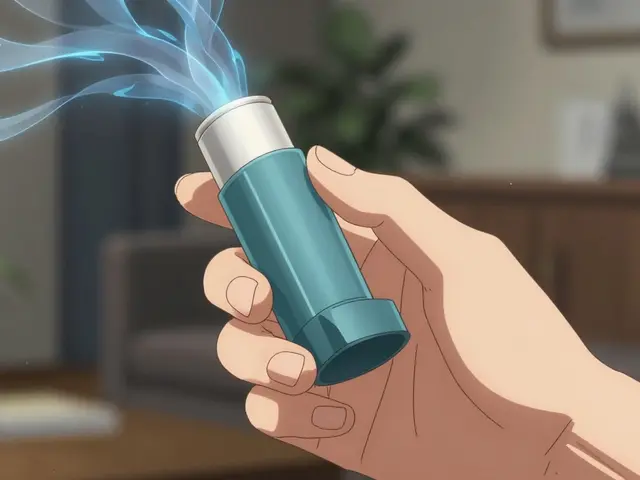

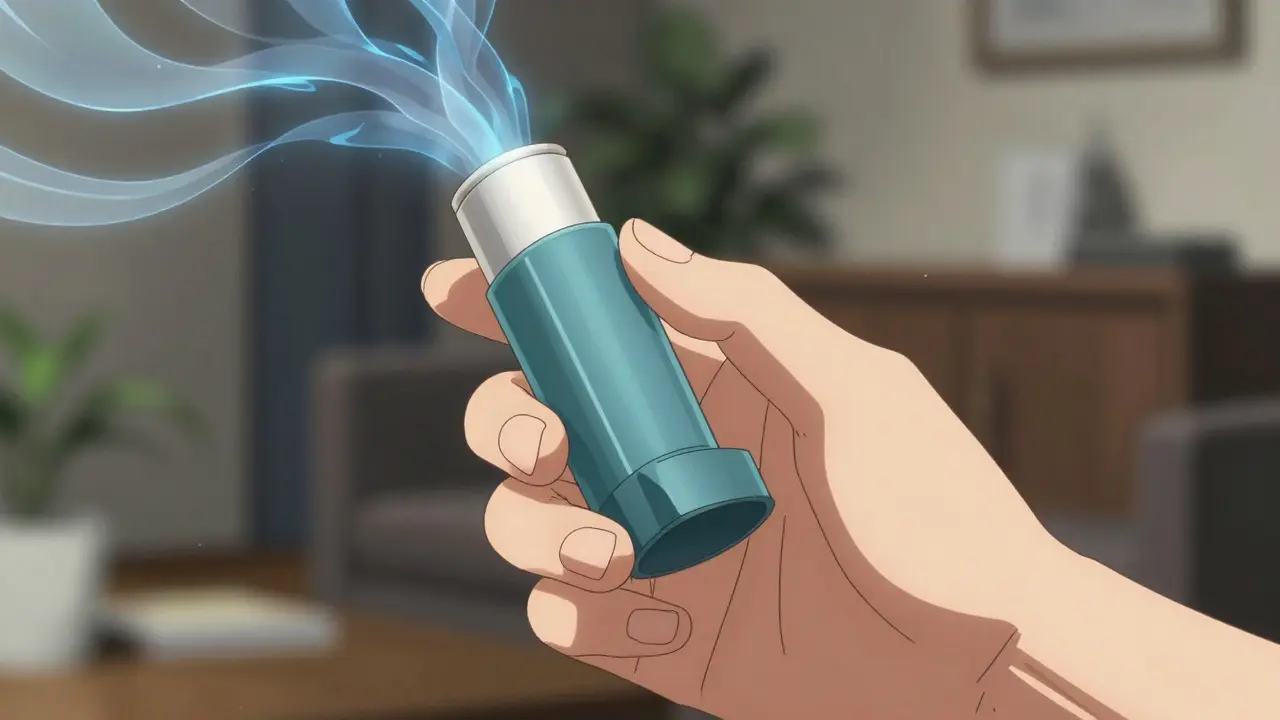
Imagine spending a fortune on a life-saving medication, only to find out that 70% to 90% of it never even reaches your lungs. That is the reality for a staggering number of people using respiratory devices. When your technique is off, as little as 8% of the drug might actually get where it needs to go. For someone struggling to breathe, that gap isn't just a statistic-it's a dangerous risk. Mastering proper inhaler technique is the difference between feeling a sudden sense of relief and wondering why your medication isn't working.
The Different Types of Inhalers and How They Work
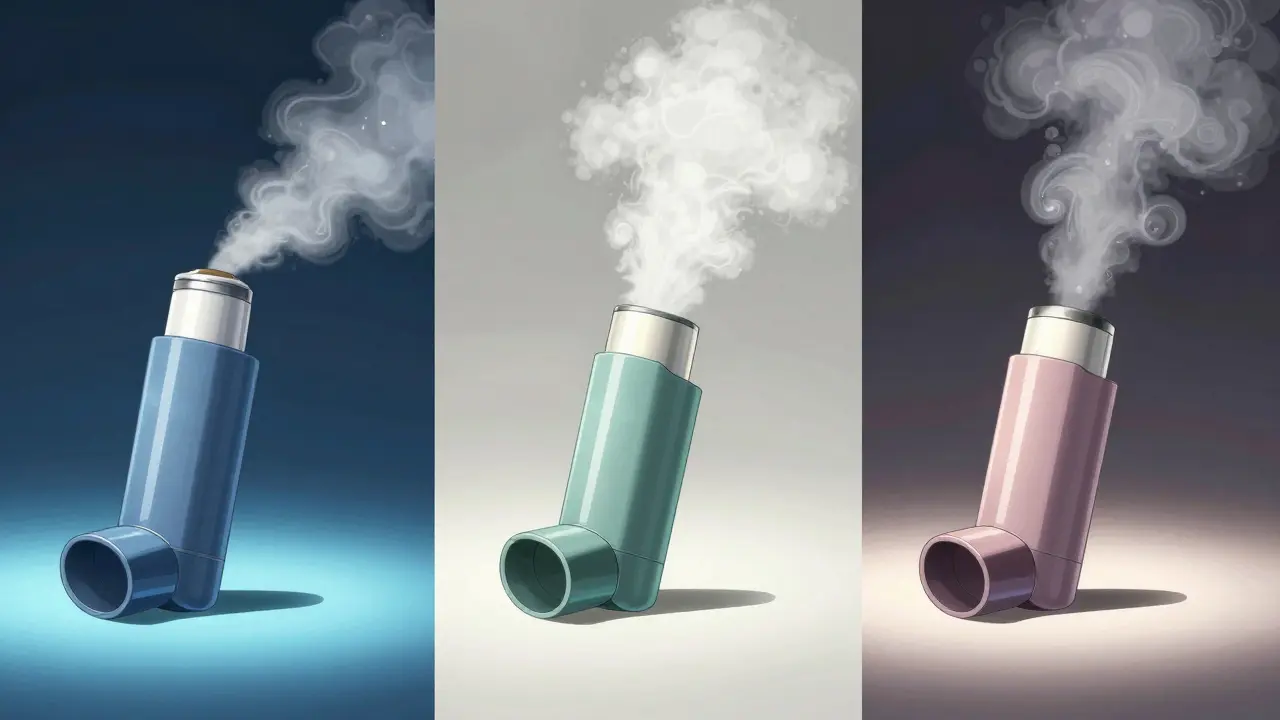
Not all inhalers are built the same. Using a technique for one device on another can actually block the medication from entering your system. Most patients use one of these three main types:
- Metered-Dose Inhalers (MDIs): These are the classic "puffers" containing medication suspended in a pressurized canister. They use a metering valve to release a precise dose, typically between 90 and 200 mcg. Because they spray the medicine quickly, they require a high level of hand-breath coordination.
- Dry Powder Inhalers (DPIs): Devices like the Diskus or Ellipta don't use propellants. Instead, they contain a powder (usually 5-30 mg) that you must suck out of the device using a forceful, deep breath.
- Soft Mist Inhalers: Examples like the Respimat create a slower-moving mist that lasts about 1.5 seconds. This makes them a bit easier to coordinate than the standard MDI.
| Feature | MDI (Puffer) | DPI (Powder) | Soft Mist |
|---|---|---|---|
| Coordination | High (Press & Breathe) | Low (Breathe only) | Medium |
| Inhalation Speed | Slow and Steady | Fast and Forceful | Slow and Steady |
| Typical Delivery | Aerosol Spray | Fine Powder | Slow Mist |
| Best For... | Acute attacks / Kids | Stable patients | Those with coordination issues |
Step-by-Step Guide to Proper MDI Use
Since the Metered-Dose Inhaler is so common, it's where most people make mistakes. If you just spray it into your mouth and swallow, you're wasting medicine. Follow these steps to ensure the drug reaches the lower airways:
- Shake it up: Shake the inhaler vigorously for 5 seconds. This mixes the propellant and the medication so you get a consistent dose.
- Exhale fully: Breathe out completely, away from the device. You need to empty your lungs to make room for the medicine.
- The Seal: Place the mouthpiece between your lips and seal them tightly. If you use a spacer, attach it first.
- The Sync: Start breathing in slowly and deeply. While you are inhaling, press down on the canister once.
- The Hold: Continue breathing in for 3 to 5 seconds. Once you've taken the full dose, hold your breath for 10 seconds. This is the most skipped step, but it increases lung deposition by up to 30%.
- The Pause: Wait exactly 60 seconds before taking a second puff. This allows the first dose to settle and the valve to reset.
Mastering Dry Powder Inhalers (DPIs)
DPIs are a different beast. You don't have to coordinate a button press with a breath, but you do need enough lung power to pull the powder in. If you breathe in too slowly, the powder just hits the back of your throat, often causing a coughing fit.
For a Dry Powder Inhaler, the rule is: Fast and Hard. You need a flow rate of about 60-90 liters per minute. If you have severe COPD and find you can't generate that kind of force, a DPI might not be the right device for you. Never try to remove the capsules from the device, as this can ruin the dosing mechanism.
Remember, never use a spacer with a DPI. Spacers are for aerosols. Using one with a powder inhaler can actually reduce the medication's effectiveness by 50-70% because the powder gets trapped in the spacer chamber instead of entering your lungs.
The Secret Weapon: Using a Spacer
If you're using an MDI, a Spacer is a game-changer. A spacer is a holding chamber that attaches to your inhaler. Instead of needing perfect timing, you spray the medicine into the tube and then breathe it in at your own pace.
The Global Initiative for Asthma (GINA) suggests spacers for almost everyone using MDIs. Why? Because they increase the amount of medicine that reaches the lungs by 70% to 100%. It eliminates the "cold blast" feeling in the throat and ensures that the drug doesn't just coat your tongue.
Critical Safety Tips and Common Pitfalls
Using the device correctly is only half the battle. How you maintain your medication and your health during the process matters just as much.
- Rinse Your Mouth: If you use a corticosteroid inhaler, always rinse your mouth with water and spit it out after use. This reduces the risk of oral thrush (a fungal infection) by about 75%.
- Check the Temperature: Store your inhalers between 20-25°C. If they get too hot (above 30°C), the medication can break down, reducing efficacy by up to 20%.
- Don't Mix Techniques: If you use both a rescue puffer and a daily controller, be mindful that they might require different breathing styles. Using a "slow" MDI technique on a "fast" DPI is a common way people accidentally fail their treatment.
- Monitor Your Dose: Don't wait until the inhaler is empty to realize you're out. Many modern devices have counters, but if yours doesn't, keep a log of your puffs.

The Future of Respiratory Care: Smart Inhalers
We are moving into an era of "smart" medicine. Digital sensors, like those from Propeller Health, can now be attached to your inhaler to track exactly when and how you use your medication. These devices can alert you if your technique is drifting or if you're using your rescue inhaler too frequently, which is often a sign that your asthma is becoming uncontrolled.
Coming soon, we'll likely see breath-actuated inhalers that only release the dose when they detect the perfect inhalation flow, removing the guesswork entirely. Until then, the best tool you have is a mirror and a healthcare provider who can watch you use your device and give you a real-time correction.
How do I know if I'm using my inhaler correctly?
The best way is to have a pharmacist or doctor watch you perform the technique. However, a common sign of poor technique is feeling the medication only on your tongue or the back of your throat rather than feeling it deep in your chest. If you experience frequent coughing immediately after a DPI, you may not be inhaling forcefully enough.
Can I use a spacer with any type of inhaler?
No. Spacers are only for Metered-Dose Inhalers (MDIs) and some soft mist inhalers. They should never be used with Dry Powder Inhalers (DPIs) because the powder will simply stick to the walls of the spacer, preventing the medication from reaching your lungs.
Why do I have to hold my breath after inhaling?
Holding your breath for about 10 seconds allows the small particles of medication to settle on the walls of your airways via gravity and impact. If you exhale immediately, you blow a large portion of the medication right back out of your lungs.
What should I do if I forget to shake my MDI?
If you realize you forgot to shake it, it's best to prime the device (spray it once into the air) and then perform the steps correctly. Shaking ensures the medication is evenly distributed in the propellant; without it, you might get too much or too little of the drug in one puff.
Is it normal for my chest to feel tight after using a DPI?
While the medication should relieve tightness, some people feel a brief irritation if the powder is inhaled too quickly or if they are dehydrated. However, if you feel a severe increase in tightness, you should seek medical attention immediately as it could be an adverse reaction or a severe attack.
Next Steps for Better Lung Health
If you've been using your inhaler for years without a technique check, now is the time to schedule one. Ask your healthcare provider to do a "teach-back" session where you demonstrate the use of your specific device. If you struggle with coordination, ask about switching to a soft mist inhaler or adding a spacer to your current routine. Small changes in how you breathe can lead to massive improvements in how you feel every day.