

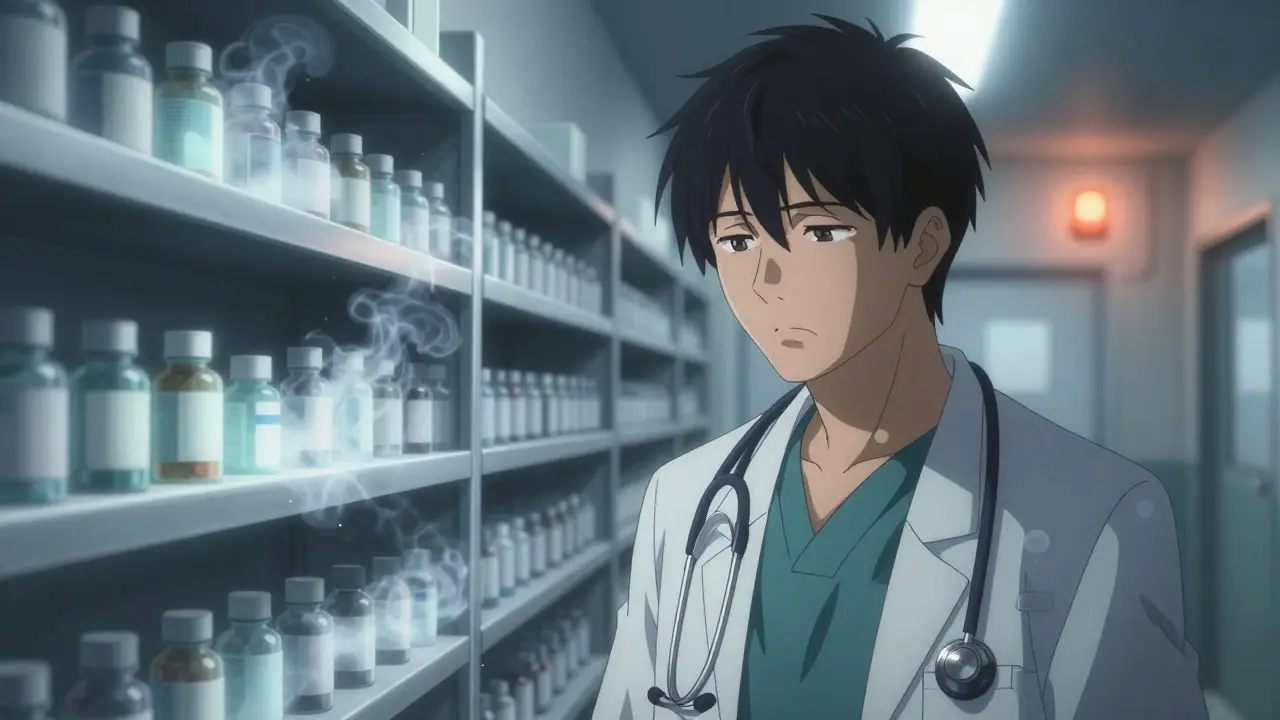
Imagine walking into your doctor's office for what used to be a simple sore throat or urinary tract infection, only to be told there is no medicine left to treat you. That reality is becoming too common for many patients around the world right now. Antibiotic shortages aren't just a back-office logistics problem anymore; they are creating a direct chain reaction that threatens our ability to cure common infections. In fact, recent data suggests that one in six bacterial infections worldwide is already resistant to standard treatments, but the supply side of the equation is crumbling faster than we can adapt.
The Scale of the Current Crisis
We are looking at a situation where the availability of life-saving medicines has dropped dramatically. According to the World Health Organization, 37 antimicrobials were officially listed as being in short supply globally as of mid-2024. If you live in the United States, this hits home harder than almost anywhere else. US drug shortages recently reached a ten-year high, documented by JAMA Network in late 2024. We aren't talking about experimental drugs here; these are the basics. Penicillin G benzathine has been in short supply since 2015, which means for over a decade, doctors have been scrambling to treat syphilis and streptococcal infections without their first-line option.
Europe isn't far behind. By late 2025, the European Medicines Agency reported shortages affecting 28 countries, with half of those nations labeling the situation "critical." When a country runs out of amoxicillin, the impact ripples through the system immediately. Data from CIDRAP showed a massive 55% reduction in amoxicillin use across multiple databases because simply put, nobody could get it. You cannot prescribe what you cannot buy. This creates a gap where patients are either sent home untreated or pushed toward more aggressive, toxic treatments.
Why Antibiotics Are Different Than Other Drugs
You might wonder why we don't hear about shortages of heart medication or allergy pills in the same breath. The difference lies in the lack of choices. Drug Shortagesa phenomenon where the supply of a medication does not meet demand generally affect all pharmaceuticals, but antibiotics face a unique vulnerability. Research published in Clinical Infectious Diseases highlights that antimicrobials are 42% more likely to face shortages compared to other drug classes. When a blood pressure medication runs out, there are often dozens of chemical equivalents available.
With bacteria, however, you run into biology. If third-generation cephalosporins become unavailable-a class needed to fight severe pneumonia-clinicians cannot simply swap in a different pill that works exactly the same way. Over 40% of E. coli infections are resistant to these specific drugs anyway. When these run out, doctors often have to resort to broad-spectrum carbapenems. These are powerful last-resort weapons. Using them for routine infections speeds up the creation of superbugs, effectively making future patients harder to treat. Unlike a headache where you can take Tylenol or Advil, infection treatment requires precision that shortages ruin.
Manufacturing and Economic Root Causes
The reason this crisis exists comes down to money and factories. The global antibiotic market was valued at $38.7 billion in 2024, yet it has barely grown, averaging a tiny 1.2% compound annual growth rate. Compare that to the general pharmaceutical industry average of 5.7%. Manufacturers do not make money on basic antibiotics. A vial of generic penicillin is incredibly cheap to produce, meaning manufacturers have little incentive to maintain rigorous facilities or keep stockpiles large enough to handle spikes in demand.
In contrast, regulatory compliance costs have jumped by 34% since 2015. Producing sterile injectables requires pristine environments, which are expensive to build and even pricier to maintain. As noted by the European Court of Auditors, low worldwide market prices mean companies cut corners on manufacturing resilience. When a major supplier shuts a plant down due to quality issues, there is no backup factory ready to pick up the slack. This fragility led to UK drug shortages skyrocketing from 648 in 2020 to 1,634 in 2023 following geopolitical shifts like Brexit, highlighting how dependent supply chains have become.
Real-World Impact on Patient Care
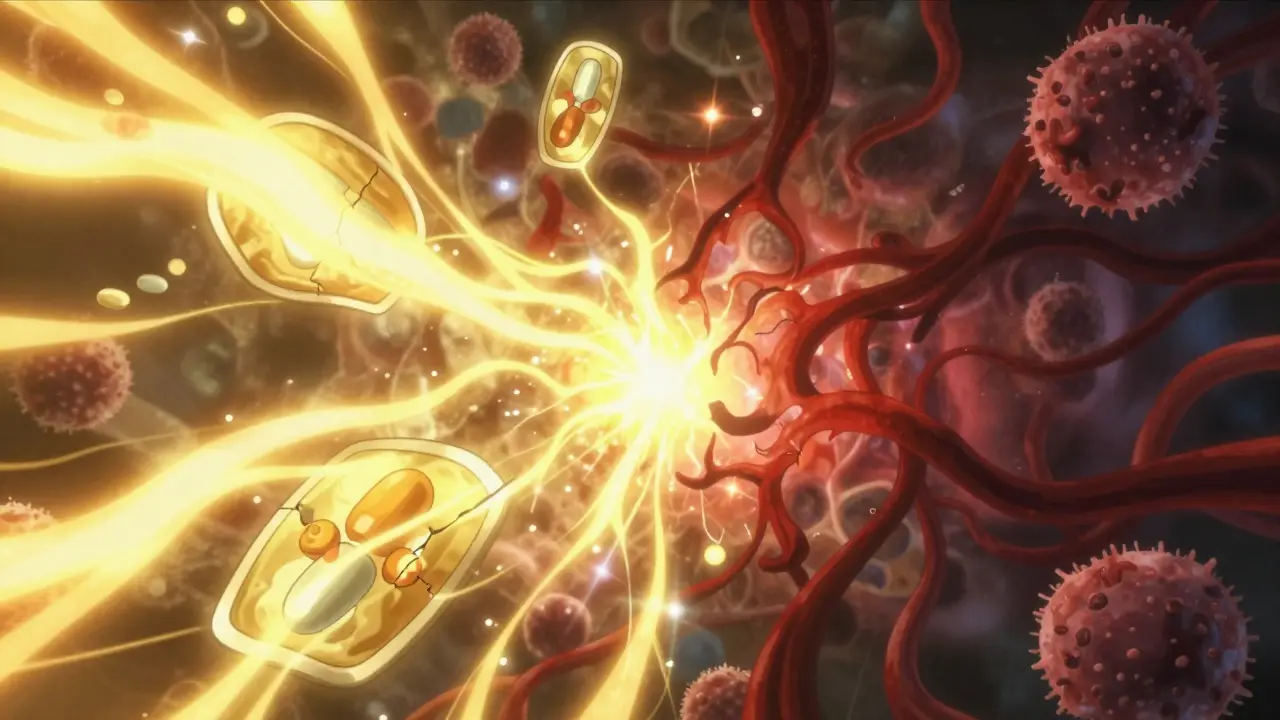
When shelves go empty, real people pay the price. During the January 2023 amoxicillin shortage, hospitals in Europe faced a 69% drop in combination therapy usage. On the ground, this translates to delays. A nurse in rural Kenya shared that without penicillin, patients were sent home without treatment, sometimes resulting in death from simple infections. Even in developed healthcare systems like California, doctors reported having to ration supplies. Dr. Sarah Chen described using colistin-a toxic last-resort antibiotic-for a routine urinary tract infection simply because first-line treatments were gone.
This shift causes immediate harm. Delayed treatment allows infections to spread to the bloodstream. One mother in Mumbai reported her child's pneumonia treatment was delayed by 72 hours due to azithromycin shortages. That delay led to complications requiring intensive care. These aren't edge cases; they are now systemic occurrences. In the US, 78% of hospital pharmacists reported modifying treatment protocols due to shortages, and 62% saw an increase in patient complications as a result. When you force doctors to ration medicine, the safest options go first, leaving patients vulnerable.
| Feature | Standard Drug Shortage | Antibiotic Shortage |
|---|---|---|
| Availability of Alternatives | High (often 3-5 therapeutic swaps) | Low (often limited by resistance profiles) |
| Likelihood of Shortage | Average baseline risk | 42% higher risk per study |
| Patient Risk Profile | Symptom persistence | Rapid worsening / Death / Resistance |
| Economic Driver | Demand fluctuation | Low profit margins + High regulation cost |
| Public Health Impact | Individual health disruption | Accelerated antimicrobial resistance |
How Hospitals Are Fighting Back
Hospitals are trying to adapt, but it takes time. Setting up effective shortage management protocols typically takes 6 to 12 months to work properly. The most successful method involves implementing Antimicrobial Stewardship Programs. These teams monitor exactly how much drug is being used and spot shortages before they break the system. Johns Hopkins Hospital managed to reduce unnecessary broad-spectrum antibiotic use by 37% during shortage periods by investing in rapid diagnostic testing. This tells them exactly what bug they are fighting, so they don't waste the few working antibiotics they have.
Another winning strategy is regional cooperation. California established a sharing network in 2024 where hospitals check each other's inventory rather than competing against one another. This single action reduced critical shortage impacts by 43% across participating facilities. The idea is simple: if one hospital has excess stock while another is rationing, the transfer of goods saves lives. However, logistics remain a hurdle. Documentation standards vary wildly, though the CDC's Antibiotic Use and Resistance Tracker helps standardize this data quarterly. Despite these efforts, pharmacy staff are burning out. Pharmacists report spending 22% more time on administrative tasks to manage these shortages, taking time away from patient safety checks.

Looking Toward 2030 and Beyond
Will things get better or worse? The projections are worrying without significant change. A 2025 review on antimicrobial resistance predicts that global antibiotic shortages will increase by 40% by 2030. That could lead to 1.2 million additional deaths annually from infections we currently consider treatable. Governments are starting to move, though slowly. The WHO launched a five-point action plan in late 2025, aiming to create a Global Antibiotic Supply Security Initiative by 2027. There is initial funding of $500 million from G7 nations, but experts warn infrastructure investment lags behind financial promises.
The US FDA approved two new manufacturing facilities in January 2025, which might help alleviate 15% of current shortages by late summer 2025. The European Commission is also rolling out the Pharmaceutical Strategy for Europe with measures to address these gaps by 2026. While public-private partnerships are driving up development funding by 22%, fixing old factories is hard. Until the economics of antibiotics change so that manufacturers can actually afford to build resilient systems, we remain dependent on luck rather than design.
Frequently Asked Questions
Are all antibiotics currently in shortage?
No, not every antibiotic is missing from the market, but specific ones are hitting frequent shortages. As of May 2024, 37 antimicrobials were listed as in short supply globally. Chronic shortages affect staples like penicillin G benzathine, amoxicillin, and certain third-generation cephalosporins. Other classes might be fully stocked depending on local availability and manufacturer schedules.
What happens if my prescribed antibiotic is unavailable?
If your primary antibiotic is unavailable, your doctor will look for an alternative. Sometimes a different brand of the same medication works, but often they must choose a different drug entirely. Due to resistance risks, doctors may have to prescribe stronger, broader-spectrum antibiotics that come with more side effects. In severe cases, treatment might be delayed until stock returns.
Why are antibiotic shortages worse than other drug shortages?
Antibiotic shortages are more dangerous because there are fewer safe alternatives. With chronic conditions like diabetes or hypertension, swapping a drug is usually easy. With infections, you cannot swap easily because bacteria develop resistance. Using the wrong antibiotic during a shortage accelerates the creation of superbugs, threatening public health beyond the individual patient.
Can patients do anything to help prevent shortages?
Patients play a crucial role in stewardship. Only use antibiotics when prescribed and necessary for bacterial infections; they do not work on viruses like the flu or cold. Finishing the entire course of medication prevents resistance from developing in the body. Additionally, reporting adverse effects or shortages you see at pharmacies to your local health authority helps track the problem.
When will the antibiotic shortage crisis improve?
Short-term relief depends on new manufacturing approvals, such as the FDA approving new facilities in 2025, which may help by late 2025. Long-term stability relies on government policy changes, specifically ensuring profitable incentives for antibiotic production. Without major intervention, models predict shortages will worsen significantly by 2030.





Comments (9)
Molly O'Donnell
April 1, 2026 AT 21:26 PMThe reality of running out of penicillin is something that keeps me awake at night.
It feels like we are walking towards a cliff edge without brakes.
Rod Farren
April 2, 2026 AT 18:52 PMThe clinical utilization rates show a precipitous drop in beta-lactam availability which forces stewardship teams to rely on carbapenems prematurely.
Pharmacists are reporting significant deviations from formulary guidelines due to supply chain fragmentation.
Arun Kumar
April 3, 2026 AT 19:57 PMDeveloping nations face exponentially higher risks when these generic stockpiles vanish completely.
Our local clinics depend entirely on stable international shipments for even basic wound care protocols.
Callie Bartley
April 4, 2026 AT 08:03 AMIt seems the industry only cares about profit margins when they are high enough to warrant attention.
Everyone waits until the system breaks before anyone claims responsibility for the oversight.
Owen Barnes
April 4, 2026 AT 19:56 PMI belive thier is truth in your observation regarding market incentivization structures.
It remains a complex issue that requires careful deliberation by the goverment bodies involved.
Cara Duncan
April 5, 2026 AT 05:40 AMIt is important to stay informed so we can support better policies for patient safety!
Please take care of each other during these difficult times.
Christopher Beeson
April 7, 2026 AT 01:45 AMThis is merely the inevitable collapse of a system built on financial fragility rather than biological necessity.
We are witnessing the slow motion implosion of public health infrastructure globally.
Russel Sarong
April 8, 2026 AT 04:25 AMThis breakdown is deeply troubling for everyone involved!!!
We must recognize the gravity of the current medication gap!!!
Families are suffering silently while executives remain silent!!!
The timeline for recovery is frighteningly unclear right now!!!
Delayed diagnoses lead to preventable mortality rates everywhere!!!
Clinicians are fighting battles with one hand tied behind their backs!!!
Supply chains are completely exposed to geopolitical volatility!!!
Regulatory frameworks have failed to mandate adequate stockpiles!!!
Patient advocacy groups need louder voices in these halls!!!
We cannot allow economic models to dictate survival outcomes!!!
Every infection untreated becomes a reservoir for resistance!!!
The scientific community must lead the charge for reform!!!
Community trust in medicine is eroding at an alarming pace!!!
Immediate action is required to stabilize production lines!!!
We stand together for the safety of future generations!!!
James DeZego
April 9, 2026 AT 06:38 AMThanks for the detailed update :)