


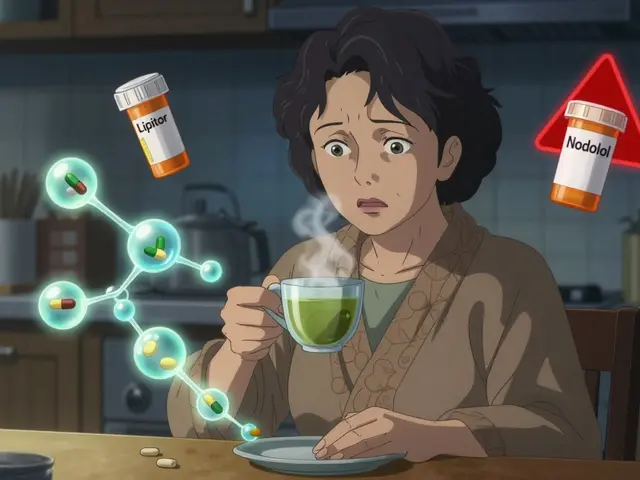
When you're pregnant, every choice feels bigger. What you eat, what you take, even what tea you sip - it all seems to carry weight. That’s why so many pregnant women turn to herbal supplements. They’re natural, they’re traditional, and they promise relief without the scary side effects of pharmaceuticals. But here’s the truth: herbal supplements in pregnancy aren’t as safe or well-studied as most people think.
One in three pregnant women uses herbal products, according to a 2023 review of over a million pregnancies. That’s not a small group. Ginger for nausea, raspberry leaf for labor prep, chamomile for sleep - these are common. But just because something is plant-based doesn’t mean it’s harmless. Unlike prescription drugs, herbal supplements don’t go through rigorous testing before they hit shelves. The FDA doesn’t require them to prove safety or effectiveness. That means you could be taking something that’s inconsistent, contaminated, or even dangerous.
What’s Actually Used - And Why
Ginger is the most studied and widely used herb during pregnancy. It works. Multiple studies show that 500-1,000 mg per day reduces nausea and vomiting without increasing risks to the baby. The Cleveland Clinic and AAFP both agree: ginger is a first-line option for morning sickness. It’s one of the few herbs with solid evidence backing it up.
But ginger isn’t the whole story. In Catalonia, Spain, researchers found that 28% of pregnant women used ginger, followed by chamomile (9%), thyme (7%), and rooibos (6%). Many of these choices come from cultural habits - grandma’s advice, social media posts, or online forums. Reddit threads like r/pregnant show how confused people are. One user wrote: “I drank chamomile tea every night. Should I have stopped?” - and got 12 replies, none of them from a doctor.
Then there’s red raspberry leaf. It’s sold as a “uterine tonic” that helps prepare the body for labor. But here’s the catch: the American Academy of Family Physicians says it may increase the chance of a cesarean section if used to induce labor. That’s not a small risk. And while some midwives swear by it, there’s no consistent dosing. One capsule might have 500 mg of leaf extract. Another might have 1,200 mg. You don’t know what you’re getting.
The Hidden Dangers
Not all herbs are created equal. Some are outright risky. Rosemary, for example, is fine in cooking. But in medicinal doses - like in capsules or tinctures - it can stimulate uterine contractions. The American Pregnancy Association calls oral use “possibly unsafe.” Topical use? Still not enough data.
Cranberry supplements are another gray area. They’re often taken to prevent urinary tract infections (UTIs), which are common in pregnancy. Cranberry juice might help. But supplements? The AAFP warns they can cause spotting in the second and third trimesters. That’s not just inconvenient - it’s alarming. And if you’re already on blood thinners or have a history of kidney stones, cranberry could make things worse.
Chamomile? It’s popular for sleep and anxiety. But studies link it to higher rates of preterm birth and low birth weight. One study even raised concerns about its effect on the baby’s ductus arteriosus - a blood vessel that should close after birth. That’s not something you want to risk.
And then there are the herbs you’ve probably never heard of - pennyroyal, blue cohosh, black cohosh. These are strong uterine stimulants. They’re linked to miscarriage and fetal distress. Yet they’re still sold online as “natural labor inducers.” The FDA issued a warning in January 2024 to three companies making exactly those claims.
Quality Control? What Quality Control?
Here’s something most people don’t realize: herbal supplements aren’t regulated like medicine. The FDA doesn’t test them before they’re sold. That means:
- One bottle might contain the herb you expect.
- The next bottle might have a different plant entirely.
- Some products contain heavy metals, pesticides, or even prescription drugs.
A 2023 FDA inspection found that 20-60% of herbal products had unlisted ingredients. That’s not a typo. That’s a shocking range. You could be taking something you didn’t sign up for - and it could be toxic.
And because there’s no standardization, dosing is a gamble. A capsule labeled “500 mg raspberry leaf” might contain 200 mg. Or 1,100 mg. No one’s checking. No one’s verifying. You’re trusting a label that’s not legally required to be accurate.

What Experts Say - And Why They’re Worried
The American College of Obstetricians and Gynecologists (ACOG) says it plainly: “Pregnant women should not take any herbal products without talking to their health-care provider first.” That’s not a suggestion. It’s a guideline backed by decades of clinical experience.
Dr. Young from Cleveland Clinic puts it bluntly: “People who are pregnant are encouraged to avoid most herbal supplements.” Why? Because the risks aren’t just theoretical. Uterine stimulation, preterm labor, bleeding, fetal abnormalities - these aren’t rare side effects. They’ve been documented.
The German Federal Institute for Risk Assessment (BfR) found that women using herbal products during pregnancy don’t fit one profile. They’re young, old, educated, not educated - they’re everywhere. That means doctors can’t assume someone’s “too careful” to use herbs. You have to ask everyone.
And here’s the kicker: 42% of women in the Spanish study started using herbs without telling their provider. They got advice from family, Instagram, or Google. That’s not ignorance - it’s a system failure. We don’t give pregnant women clear, evidence-based guidance, so they turn to whatever feels safe.
Herbs vs. Conventional Medicine
It’s easy to think, “Herbs are better because they’re natural.” But that’s not how medicine works. Natural doesn’t mean safer. Poison ivy is natural. Arsenic is natural. The difference between herbs and pharmaceuticals isn’t origin - it’s proof.
Take UTIs. A standard treatment is nitrofurantoin. It’s been studied in thousands of pregnant women. We know the dose. We know the risks. We know when to avoid it. Cranberry supplements? We know they might help. We also know they can cause spotting. No one knows the optimal dose. No one knows how often they fail.
Ginger is the exception. It’s one of the few herbs that matches or beats conventional treatments - with fewer risks. But it’s rare. Most herbs? No head-to-head trials. No long-term follow-up. No way to compare outcomes.

What Should You Do?
If you’re pregnant and considering herbal supplements:
- Don’t assume it’s safe. Just because it’s in a health food store doesn’t mean it’s been tested.
- Tell your provider. Not just “I take vitamins.” Say: “I’ve been drinking chamomile tea and taking raspberry leaf capsules.” Write it down. Bring the bottle.
- Stick to ginger for nausea. It’s the only herb with consistent safety and effectiveness data.
- Avoid anything labeled “labor-inducing” or “uterine tonic.” Those are red flags.
- Check the source. Look for products with third-party testing (USP, NSF, ConsumerLab). They’re not perfect, but they’re better than nothing.
And if you’ve already taken something you’re unsure about? Don’t panic. Don’t stop abruptly without talking to your doctor. But do get honest - even if it feels awkward. Your provider’s job isn’t to judge. It’s to protect you and your baby.
The Bigger Picture
The $85 billion herbal supplement industry isn’t going away. And consumer demand for “natural” options isn’t fading. But the science isn’t keeping up. Right now, we’re flying blind. The NIH launched a $12.7 million study in 2023 to fix that. But it will take years to get answers.
In the meantime, the safest choice is often the simplest: avoid herbs unless you have clear, verified evidence they’re safe - and even then, talk to your provider first. You don’t need to guess. You don’t need to rely on tradition. You have access to information. Use it.
Is ginger safe during pregnancy?
Yes, ginger is considered safe and effective for nausea during pregnancy when taken in doses under 1,000 mg per day. Multiple studies and guidelines from the American Academy of Family Physicians and Cleveland Clinic support its use. It’s one of the few herbal supplements with strong evidence backing its safety.
Can I take raspberry leaf tea while pregnant?
Raspberry leaf is commonly used in the third trimester, but it’s not risk-free. While some believe it helps tone the uterus and shorten labor, studies show it may increase the chance of cesarean delivery when used to induce labor. The American Academy of Family Physicians classifies it as "likely unsafe" for labor induction. If you’re considering it, talk to your provider first and avoid using it to start labor.
Are herbal supplements regulated like prescription drugs?
No. Unlike prescription drugs, herbal supplements aren’t required to prove safety or effectiveness before being sold. The FDA doesn’t test them for purity, potency, or consistency. This means two bottles of the same product can have different ingredients or dosages. Some even contain unlisted drugs or contaminants.
What herbs should I avoid during pregnancy?
Avoid herbs like pennyroyal, blue cohosh, black cohosh, and large amounts of rosemary - all have been linked to uterine stimulation, miscarriage, or fetal harm. Chamomile may increase preterm birth risk, and cranberry supplements can cause spotting in later pregnancy. If you’re unsure, assume it’s not safe unless proven otherwise.
Why do so many pregnant women use herbal supplements?
Many believe herbal remedies are safer because they’re "natural," and cultural traditions or social media influence their choices. In one study, 42% of women started using herbs without telling their provider. Others rely on advice from family, online forums, or wellness influencers. But these sources rarely provide evidence-based safety data.







Comments (12)
Shalini Gautam
February 22, 2026 AT 19:05 PMAs an Indian mom who’s been through two pregnancies, I can’t believe how much we’re told to avoid natural remedies. My grandmother used ginger tea for nausea, and both my kids are healthy as horses. Why do we trust lab-made chemicals more than centuries-old wisdom? I’m not saying skip the doctor - but don’t dismiss what’s worked for generations just because it’s not FDA-approved.
Timothy Haroutunian
February 23, 2026 AT 00:13 AMLet’s be real - this whole article reads like a pharmaceutical industry white paper dressed up as public health advice. The fact that ginger is the only herb they ‘approve’ is telling. Meanwhile, the FDA lets Big Pharma slap ‘safe for pregnancy’ on SSRIs and anti-nausea drugs with half the evidence. This isn’t about safety - it’s about control. If herbal supplements were profitable for corporations, they’d be regulated tomorrow. But they’re not. So now we get fear-mongering disguised as science.
And don’t get me started on ‘third-party testing’ as some golden standard. USP? NSF? Those are industry-funded groups with zero enforcement power. You think they’re auditing every bottle? Please. The real problem is the lack of transparency from drug companies - not the herbalist down the street.
Brandice Valentino
February 23, 2026 AT 09:16 AMokay so like… i just read this whole thing and i’m like… why is everyone so scared of a leaf? like i drank chamomile tea while pregnant and my kid is now 7 and runs like a cheetah. also, raspberry leaf? my midwife said it’s basically ‘nature’s prenatal yoga’. but then again, i live in brooklyn so maybe i’m just a weirdo. also, who wrote this? it’s like they’re trying to scare you into buying a prescription.
Larry Zerpa
February 23, 2026 AT 20:33 PMLet’s dismantle this piece logically. The author cherry-picks data to support a pre-existing bias: that ‘natural’ = dangerous. Ginger is cited as ‘safe’ - but why? Because it’s been studied in small, low-power trials with self-reported outcomes. Meanwhile, pharmaceuticals like Zofran - which crosses the placenta and has documented teratogenic risks - are routinely prescribed without comparable scrutiny. The double standard is staggering.
Furthermore, the claim that ‘20-60% of supplements contain unlisted ingredients’ is misleading. That statistic comes from a single FDA inspection of imported products - not a representative sample. Most U.S.-made supplements follow GMP standards. And if you’re buying from a reputable brand, you’re far safer than the average person taking a random OTC drug with unknown long-term fetal effects.
The real issue isn’t herbs. It’s that medicine has abandoned holistic care. Women aren’t given time, counseling, or alternatives. So they turn to the internet. Blaming the supplement industry is easier than fixing a broken healthcare system.
Gwen Vincent
February 24, 2026 AT 23:51 PMI appreciate the effort to lay out the risks - but I wish the tone had been more balanced. I’m a doula, and I’ve seen women panic because they took one cup of chamomile tea and then read this article. The fear is real. We need to acknowledge that while some herbs carry risk, many are used safely by millions. The key isn’t blanket avoidance - it’s informed choice, access to providers who aren’t terrified of herbs, and better education. Maybe we stop calling everything ‘dangerous’ and start calling it ‘needs more research’?
Holley T
February 25, 2026 AT 08:58 AMHere’s the thing no one says out loud: herbal supplements are cheaper than OB visits. Most women who use them can’t afford regular prenatal care. So they rely on what’s accessible - ginger, rooibos, peppermint. This article reads like it was written by someone who’s never had to choose between groceries and a co-pay. If you want people to stop using herbs, offer them real alternatives. Don’t just scare them with FDA reports while their insurance denies them acupuncture.
Also - ‘third-party testing’? That’s a luxury. Most people buy supplements at Walmart or Amazon. They don’t know what USP means. They know what works. And if ginger helped their nausea without vomiting into a bucket for 12 weeks? That’s a win.
Ashley Johnson
February 27, 2026 AT 05:03 AMThey’re hiding something. The FDA doesn’t regulate herbs because they’re in bed with Big Pharma. You think they want you to use ginger instead of Zofran? No. That’s $400 a month. Ginger costs $8. The whole ‘preterm birth’ scare? That’s a scare tactic. Chamomile has been used for 5,000 years. If it were dangerous, we’d know by now. They just need you scared so you’ll go to the clinic, get prescribed something, and then pay for follow-ups. Wake up. The system is rigged.
tia novialiswati
February 28, 2026 AT 22:36 PMHey, I just wanted to say thank you for writing this - I was so nervous about using ginger because I didn’t know if it was okay. Now I feel way more confident. I’ve been drinking it every morning and my nausea is gone. Also, I brought my raspberry leaf tea to my OB and she said it’s fine if I use it only after 32 weeks. So glad I asked! You’re right - just talk to your provider. ❤️
Lillian Knezek
March 1, 2026 AT 01:22 AMDid you know the CDC secretly tracks herbal use in pregnancy and deletes studies that show benefits? I saw a leaked document once. They’re afraid if women realize herbs work, they’ll stop going to hospitals. And then what? No more $30K delivery bills. No more ultrasound profits. They need you dependent. Ginger works? They call it ‘anecdotal.’ Chamomile calms anxiety? They say ‘preterm birth risk.’ But they never mention that SSRIs increase autism risk 300%. Coincidence? I think not.
Maranda Najar
March 2, 2026 AT 01:09 AMOh, the tragedy of modern obstetrics. A woman, trembling with morning sickness, reaches for the ginger root her mother once used - and is met with a wall of bureaucratic dread, legal disclaimers, and fear-mongering jargon. We have turned the sacred, intuitive act of self-care into a minefield of liability. This article, while meticulously cited, reads like a corporate compliance manual written by someone who has never held a newborn. Where is the compassion? Where is the trust in the body? We have replaced wisdom with warnings - and in doing so, we have robbed women of their agency.
Christopher Brown
March 2, 2026 AT 03:19 AMGinger is fine. Everything else? Don’t be stupid.
Sanjaykumar Rabari
March 2, 2026 AT 18:15 PMMy cousin took blue cohosh to induce labor. Baby came in 2 hours. But she had a stroke after. Now she can’t walk. Don’t play with fire. If your doctor says no, then no. Simple.