

Medication Flushing Relief Guide
Calcium Channel Blockers
Amlodipine, Nifedipine, Diltiazem
Direct VasodilationNitrates
Nitroglycerin, Isosorbide
Nitric Oxide ReleaseNiacin (Vitamin B3)
Cholesterol supplements
Prostaglandin / Wet FlushOpioids
Morphine, Codeine, Oxycodone
Histamine ReleaseAntibiotics
Vancomycin, Rifampin
Infusion ReactionSelect a medication above to view specific symptoms and relief strategies.
Have you ever looked in the mirror after taking a pill and been startled by a sudden, burning redness spreading across your face? You are not alone. This reaction, known as medication-induced facial flushing, is a surprisingly common side effect that affects millions of people worldwide. It feels like a wave of heat hitting your skin, often accompanied by a throbbing sensation or mild itching. While it usually looks alarming, it is rarely dangerous on its own. However, the discomfort can be significant enough to make you want to stop your prescribed treatment entirely.
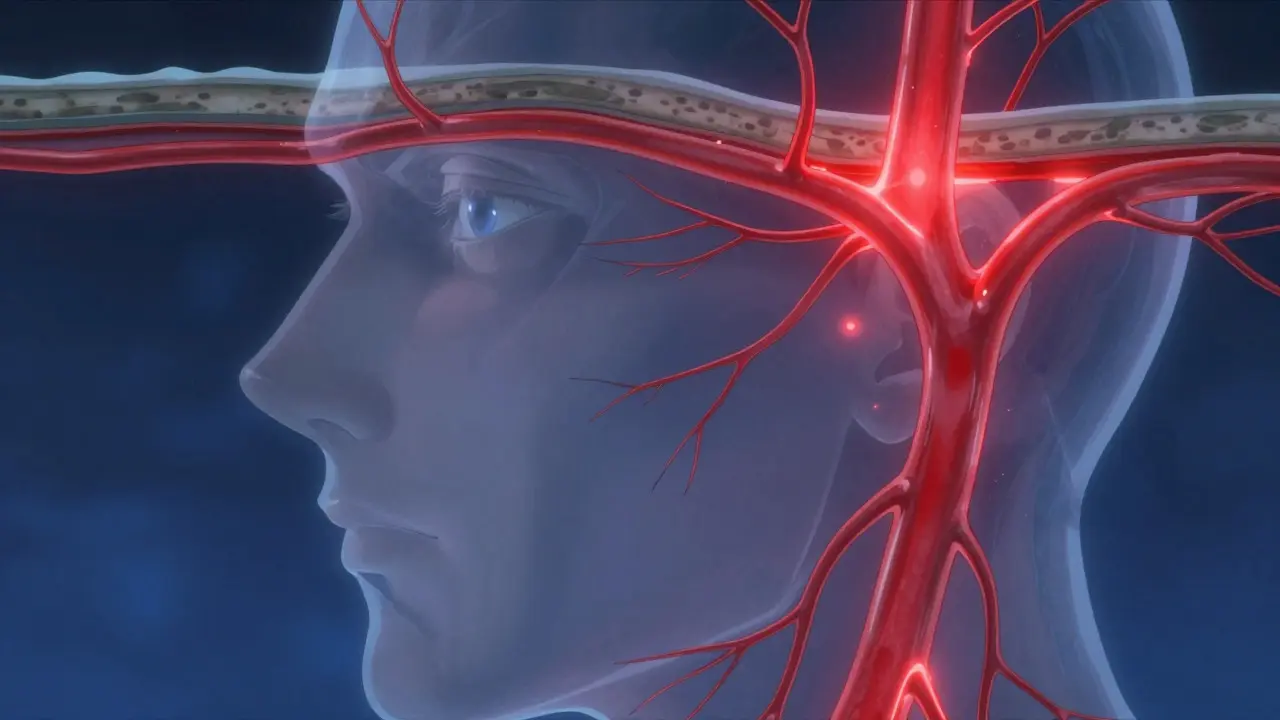
Understanding why this happens and how to manage it is crucial for staying healthy without sacrificing your comfort. Flushing occurs when blood vessels near the surface of your skin widen (dilate), allowing more blood to flow through them. Certain medications trigger this widening directly, while others do so indirectly by affecting nerves or releasing chemicals like histamine. The good news is that there are effective strategies to reduce these episodes, ranging from simple timing adjustments to specific medical interventions.
Why Do Medications Cause Facial Redness?
To understand the relief, we first need to look at the mechanism. Your body has an intricate system of blood vessels that regulate temperature and blood pressure. Some drugs interfere with this system intentionally or as a side effect. There are generally two types of flushing mechanisms at play here: dry flushing and wet flushing.
Dry flushing is a type of reaction where blood vessels dilate without significant sweating. This is typically caused by drugs that act directly on vascular smooth muscle, such as calcium channel blockers. On the other hand, Wet flushing involves vasodilation accompanied by sweating and sometimes itching, often mediated by nerve endings and chemical releases like prostaglandins or histamine. For example, Niacin causes a classic wet flush driven by prostaglandins and autonomic nervous system imbalance, whereas Vasodilators like nitroglycerin cause dry flushing by relaxing blood vessel walls directly.
The severity depends on several factors, including the dosage, how quickly the drug enters your bloodstream, and your individual genetic makeup. Some people metabolize certain drugs faster than others, leading to higher concentrations of active compounds that trigger stronger reactions. Recognizing which category your medication falls into helps determine the best approach for relief.
Common Medication Classes That Trigger Flushing
Not all drugs cause flushing equally, but several classes are notorious for this side effect. Knowing if your prescription is on this list can help you anticipate and prepare for potential reactions.
| Medication Class | Specific Examples | Primary Mechanism | Typical Symptoms |
|---|---|---|---|
| Calcium Channel Blockers | Amlodipine, Nifedipine, Diltiazem | Direct vasodilation of arterial smooth muscle | Redness, warmth, headache, swelling in ankles |
| Nitrates | Nitroglycerin, Isosorbide dinitrate | Release of nitric oxide causing vessel relaxation | Sudden intense flushing, throbbing headache |
| Nicotinic Acid (Niacin) | Niacin supplements, prescription lipid agents | Prostaglandin release and nerve stimulation | Burning, itching, sweating, visible red rash |
| Opioids | Morphine, Codeine, Oxycodone | Histamine release from mast cells | Generalized redness, itching, mild hypotension |
| Antibiotics | Vancomycin, Rifampin | Infusion-related histamine response (Vancomycin) | "Red Man Syndrome": neck/chest rash, hypotension |
Calcium Channel Blockers are blood pressure medications that relax blood vessels to improve blood flow. Drugs like amlodipine and nifedipine are frequently prescribed for hypertension and angina. Because they work by relaxing the muscles in your artery walls, they inevitably affect the delicate vessels in your face, leading to a persistent redness that many patients find embarrassing. Similarly, Nitrates such as nitroglycerin are used for chest pain. They cause rapid, potent vasodilation, which often results in a sudden, intense flush accompanied by a pounding headache.
Niacin, also known as vitamin B3, is perhaps the most famous offender. Used to lower cholesterol, it triggers a unique inflammatory response involving prostaglandins. This causes a distinct burning and itching sensation that peaks within minutes of ingestion. Opioids like morphine trigger flushing differently; they cause mast cells in your body to release histamine. This is not necessarily an allergy, but a predictable pharmacological effect that leads to generalized redness and itching.
Finally, Vancomycin can cause a severe reaction known as "Red Man Syndrome". This is particularly associated with intravenous administration. If the antibiotic is infused too quickly, it triggers a massive histamine release, causing red patches on the face, neck, and upper trunk, along with low blood pressure. Slowing down the infusion rate is the primary preventive measure here.
Immediate Relief Strategies for Medication Flushing
If you are experiencing flushing right now, or know it will happen after your next dose, there are immediate steps you can take to mitigate the intensity. These strategies focus on counteracting the physiological mechanisms driving the redness.
- Cool Down Physically: Since flushing is essentially increased blood flow bringing heat to the surface, cooling your skin can provide temporary relief. Apply a cold compress to your forehead and neck. Avoid ice directly on the skin, which can cause further irritation. Instead, use a damp, cool cloth. Moving to a cooler room or using a fan can also help dissipate the heat.
- Hydrate with Cold Water: Drinking cold water helps lower your core body temperature slightly and keeps you hydrated, which supports overall vascular health. Avoid hot beverages, caffeine, and alcohol, as these are known triggers that can worsen vasodilation.
- Take Aspirin (For Niacin Only): If your flushing is caused by niacin, research suggests that taking aspirin or ibuprofen 30 to 60 minutes before your dose can reduce the severity by approximately 30%. This works because aspirin inhibits the production of prostaglandins, the chemicals responsible for the niacin flush. Note: Always consult your doctor before adding aspirin to your regimen, especially if you are on blood thinners.
- Practice Deep Breathing: Anxiety can exacerbate flushing by activating the sympathetic nervous system. Slow, deep breathing activates the parasympathetic nervous system, helping to calm your heart rate and potentially reducing the intensity of the flush. Try inhaling for four seconds, holding for four, and exhaling for six.
Long-Term Management and Medical Interventions
If lifestyle changes and immediate remedies aren't enough, there are medical options available. However, these should always be discussed with your healthcare provider to ensure they don't interact negatively with your primary medication.
Beta-blockers are often used off-label to treat anxiety-related blushing and some forms of medication-induced flushing. By blocking the effects of adrenaline, they reduce the "fight or flight" response that can intensify flushing. Drugs like nadolol may be prescribed as adjunctive therapy for stress-related episodes. Clonidine is another option, specifically useful for uncontrollable facial blushing. It works by altering the body's response to noradrenaline, a chemical that controls blood vessel constriction.
For opioid-induced flushing, Antihistamines can be effective. Since opioids trigger histamine release, blocking H1 and H2 receptors with medications like diphenhydramine or famotidine can reduce the redness and itching. This is particularly relevant for patients undergoing cancer pain management who experience frequent flushing from morphine or similar agents.
In cases of chronic, severe flushing that does not respond to medication, procedural treatments may be considered. Botulinum toxin (Botox) injections can temporarily paralyze the nerves that cause excessive sweating and flushing in the face. The effects last up to six months. Alternatively, Laser therapy targeting small surface blood vessels can reduce the chronic red appearance associated with repeated flushing episodes. While these procedures offer longer-term solutions, they come with costs and potential side effects like bruising or temporary pigmentation changes.

Lifestyle Adjustments to Prevent Flushing
Managing medication-induced flushing isn't just about treating the symptom; it's about avoiding triggers that compound the problem. Your daily habits play a significant role in how often and how severely you flush.
- Avoid Spicy Foods: Capsaicin, the compound that makes chili peppers hot, is a potent vasodilator. If you are prone to flushing, spicy meals can trigger an episode even without medication. Opt for milder flavors and watch out for hidden spices in sauces.
- Limit Alcohol Consumption: Alcohol causes blood vessels to expand. For some people, especially those of Asian heritage who may have a deficiency in the enzyme acetaldehyde dehydrogenase, alcohol triggers a severe flush known as "Asian Flush." When combined with medications like niacin or certain antibiotics, the effect can be doubled.
- Watch Out for MSG: Monosodium glutamate (MSG), a flavor enhancer common in processed foods and restaurant meals, can trigger flushing in sensitive individuals. Reading labels carefully can help you avoid this hidden trigger.
- Manage Stress: Emotional stress activates the sympathetic nervous system, leading to increased heart rate and blood flow to the face. Techniques like mindfulness meditation, yoga, or regular exercise can help keep your baseline stress levels lower, making you less reactive to flushing triggers.
- Protect Your Skin from Sun: Ultraviolet radiation damages blood vessels over time, making them more prone to dilation. Use broad-spectrum sunscreen daily and wear hats when outdoors. Sun exposure can also sensitize your skin to certain medications, worsening the flushing reaction.
When to Seek Medical Attention
While most medication-induced flushing is benign, there are times when it signals a more serious issue. You should contact your doctor immediately if your flushing is accompanied by:
- Difficulty breathing or wheezing: This could indicate an allergic reaction (anaphylaxis) rather than simple flushing.
- Swelling of the lips, tongue, or throat: Another sign of a severe allergic response.
- Dizziness, fainting, or rapid heartbeat: These symptoms suggest your blood pressure may be dropping too low, which can happen with potent vasodilators or vancomycin infusions.
- Fever or chills: This might indicate an infection or a systemic inflammatory response.
- Persistent rash or blistering: If the redness turns into a painful rash or blisters, it could be a severe cutaneous adverse reaction requiring urgent care.
Never stop taking your prescribed medication without consulting your doctor. Abruptly stopping blood pressure meds or opioids can lead to rebound effects that are far worse than the flushing itself. Instead, work with your healthcare provider to adjust the dosage, switch to a different medication in the same class, or add a mitigating agent.
How long does medication-induced facial flushing last?
The duration varies depending on the medication. For short-acting drugs like sublingual nitroglycerin, flushing may last only 15 to 30 minutes. For oral medications like niacin or calcium channel blockers, the redness can persist for several hours until the drug is metabolized. Chronic use may lead to persistent background redness that requires long-term management strategies.
Can I drink alcohol if I am experiencing medication flushing?
It is generally advisable to avoid alcohol if you are prone to medication-induced flushing. Alcohol is a vasodilator and can significantly worsen redness and warmth. Additionally, alcohol can interact dangerously with certain medications like metronidazole or disulfiram-like drugs (e.g., chlorpropamide), causing a severe reaction known as a disulfiram-like reaction, characterized by intense flushing, nausea, and vomiting.
Is facial flushing from medications an allergic reaction?
Not necessarily. Most medication-induced flushing is a pharmacological side effect, meaning it is a predictable result of how the drug interacts with your body's blood vessels or nerves. True allergic reactions involve the immune system and typically present with hives, swelling, difficulty breathing, or itching beyond just redness. However, histamine-mediated flushing from opioids or vancomycin mimics allergic symptoms but is technically a non-immunologic release of histamine.
What is "Red Man Syndrome" and how is it treated?
"Red Man Syndrome" is a specific type of flushing reaction caused by the antibiotic vancomycin, particularly when infused too rapidly. It presents as redness on the face, neck, and upper chest, often with itching and low blood pressure. It is not a true allergy. Treatment involves slowing down the infusion rate and administering antihistamines like diphenhydramine before and during the infusion to prevent recurrence.
Can changing my diet help reduce medication flushing?
Yes, dietary changes can significantly impact flushing frequency. Avoiding known triggers such as spicy foods, hot beverages, alcohol, and monosodium glutamate (MSG) can reduce the likelihood of an episode. Staying hydrated with cool water and eating smaller, cooler meals can also help maintain stable body temperature and vascular tone, making you less susceptible to medication-induced vasodilation.