
Imagine forgetting your own name, then losing the ability to recognize a loved one’s face. That is the terrifying reality of Alzheimer's disease, a progressive neurodegenerative disorder characterized by cognitive decline, memory impairment, and behavioral changes. It is not just "senior moments"; it is a biological event where the brain physically changes structure. First identified by Dr. Alois Alzheimer in 1906, this condition accounts for 60-80% of all dementia cases globally. For families in Manchester and beyond, understanding what is happening inside the brain can turn fear into a plan. This guide breaks down the memory loss patterns, the distinct clinical stages, and the practical support systems you need to navigate this journey.
What Is Happening Inside the Brain?
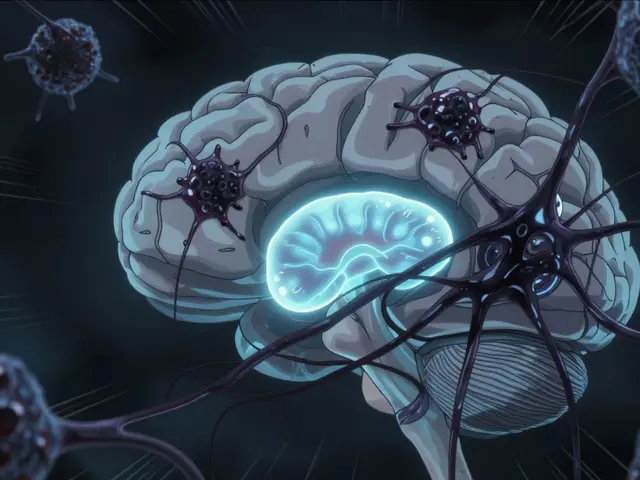
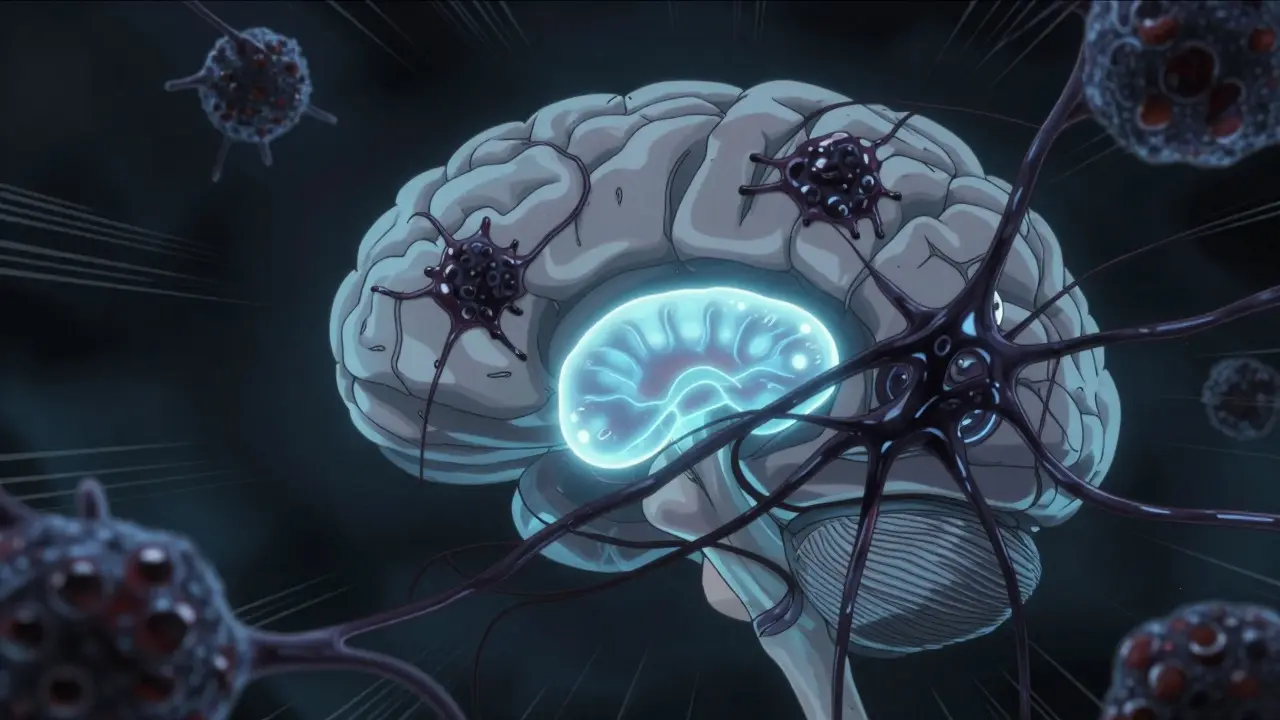
To understand why memory fades, you have to look at the microscopic level. Alzheimer’s is defined by two specific protein buildups that clog up neurons. First, there are amyloid-beta plaques, sticky clumps of protein that form between nerve cells. Second, there are neurofibrillary tangles, twisted fibers of tau protein that pile up inside the cells. These blockages stop neurons from communicating effectively. Eventually, the neurons die, leading to brain shrinkage, or atrophy. The damage hits the hippocampus first, which is the brain’s primary center for forming new memories. This is why patients often remember their childhood clearly but forget what they had for lunch ten minutes ago. Current treatments like donepezil and rivastigmine help manage symptoms by boosting chemical signals in the brain, but they do not stop the physical damage. However, newer therapies like lecanemab, approved in early 2023, aim to clear these amyloid plaques, showing a 27% reduction in cognitive decline over 18 months in trials.
The Trajectory of Memory Loss
Memory decline in Alzheimer’s follows a predictable path, starting with recent events and moving backward through time. In the earliest phases, the issue is episodic memory. You might find yourself repeating questions because the answer didn't stick in short-term storage. Formal testing in this stage shows a reduced ability to learn new word lists and poor delayed recall. As the disease progresses, the gap between short-term and long-term memory widens. Patients may misplace items daily and struggle to learn new tasks, such as operating a new phone or following a recipe. By the middle stages, even long-term memories begin to fade. A person might forget their home address or the name of a close relative. Interestingly, while memory loss is central to Alzheimer’s, it is less prominent in other dementias like Frontotemporal Dementia (FTD) in the early stages, which primarily affects personality and language first. Recognizing that the loss starts with the "new" and erases the "old" helps families adjust expectations and communication styles accordingly.
Understanding the Clinical Stages
Doctors use staging frameworks to predict care needs, though every individual’s timeline is unique. The Mayo Clinic model outlines five key phases, starting with preclinical changes that show on scans before any symptoms appear. Then comes mild cognitive impairment, where memory slips become noticeable but don’t yet disrupt daily life significantly. Once diagnosed with dementia, the progression typically moves through three main levels of severity.
- Early Stage: Symptoms include forgetting recent conversations, misplacing keys, and having trouble finding the right word. Mood changes like anxiety or agitation may appear. Many people can still drive, work, and live independently during this phase, but they need emotional support and gentle reminders.
- Middle Stage: This is often the longest and most challenging phase. Confusion increases, and patients may get lost in familiar places. Behavioral issues emerge, such as delusions, aggression, or repetitive actions like hand-wringing. Daily activities like choosing clothes, bathing, and toileting require assistance. Sleep patterns often disrupt, leading to restlessness at night.
- Late Stage: Communication breaks down completely. Patients may become mute and lose control over movement. They require total care for eating, dressing, and hygiene. Physical complications like swallowing difficulties (dysphagia) and pressure sores become major concerns. At this point, the focus shifts entirely to comfort and dignity.
It is crucial to remember that these stages overlap. One day might be better than the next. Dr. Maria Carrillo of the Alzheimer’s Association notes that while we describe stages, each person’s journey is unique, with symptoms appearing in different combinations and progressing at different rates.

Caregiver Support: Managing the Emotional Toll
Caring for someone with Alzheimer’s is a marathon, not a sprint. The emotional weight is heavy. Surveys show that 39% of dementia caregivers rate their stress as high or very high, spending an average of 27 hours per week providing care. The middle stage is often cited as the hardest emotionally because of behavioral changes. A patient might accuse you of stealing, hide medications, or wander out of the house at 3 am. Repetitive questioning can happen twenty times in an hour, which is exhausting if you keep correcting them. Instead, try validation therapy. Accept their reality. If they ask for their mother who passed away years ago, don't say "she died." Say, "Tell me about her. She must have been wonderful." This reduces conflict and anxiety for both parties.
Physical strain also increases as the patient becomes heavier or more difficult to move. Respite care is vital here. In the UK, services vary by local council, but in the US, Medicare covers specific periods of inpatient respite. Even if you don’t qualify for paid services, rotating duties with family members or hiring a part-time aide can prevent burnout. Remember, taking care of yourself is not selfish; it is necessary to keep caring for them.
Practical Strategies for Home Care
Adapting your home environment can make a huge difference in safety and independence. The approach changes as the disease progresses.
| Stage | Primary Goal | Key Actions |
|---|---|---|
| Early | Maintain Independence | Use calendars, reminder apps, and labeled cabinets. Keep routines consistent. Encourage social activity. |
| Middle | Ensure Safety & Structure | Remove trip hazards. Install locks on doors. Use simple one-step instructions. Avoid confrontation. Create structured daily schedules. |
| Late | Prioritize Comfort | Prevent pressure ulcers with repositioning. Modify diet for swallowing difficulties. Provide sensory stimulation like music and touch. Focus on nonverbal communication. |
For wandering risks in the middle stage, door alarms and GPS trackers can provide peace of mind. Lighting should be bright to reduce shadows that can cause confusion. In the late stage, focus on preventing infections. Aspiration pneumonia is a common cause of death, so working with a dietitian to manage texture-modified foods is essential. Music therapy has shown remarkable results in late-stage patients, helping to calm agitation and evoke distant memories when words fail.

Economic and Global Context
Alzheimer’s is a growing global crisis. The World Health Organization estimates 55 million people live with dementia worldwide, a number projected to reach 139 million by 2050. The economic burden is staggering, costing the global economy $1.3 trillion annually. In the United States alone, the cost reached $345 billion in 2023, with family caregivers providing $340 billion in unpaid labor. This highlights the critical role of community support systems. Whether you are in Manchester or New York, connecting with local support groups provides access to resources, legal advice, and shared experiences that no amount of medical knowledge can replace.
Frequently Asked Questions
How long does the middle stage of Alzheimer's last?
The middle stage is typically the longest, lasting several years. During this time, symptoms progress gradually, requiring increasing levels of assistance with daily activities and managing behavioral changes.
Can Alzheimer's be cured?
Currently, there is no cure. Treatments like cholinesterase inhibitors manage symptoms, and new drugs like lecanemab slow progression by targeting amyloid plaques. Research continues to focus on early detection and disease modification.
What is the best way to communicate with a patient in the late stage?
Nonverbal communication is most effective. Use eye contact, a calm tone of voice, and gentle touch. Simple facial expressions and music can also connect with patients who can no longer speak or understand complex language.
How can I prevent my parent from wandering off?
Install alarms on exterior doors, remove obvious exit routes like front doors if possible, and consider using GPS wearable devices. Ensure identification cards are kept on them, and inform neighbors about the situation.
Is respite care available for private families?
Yes. While insurance coverage varies, many families hire private caregivers for respite care. Local councils in the UK may offer grants or subsidized services based on financial assessment. Day centers also provide temporary relief and social engagement for patients.