

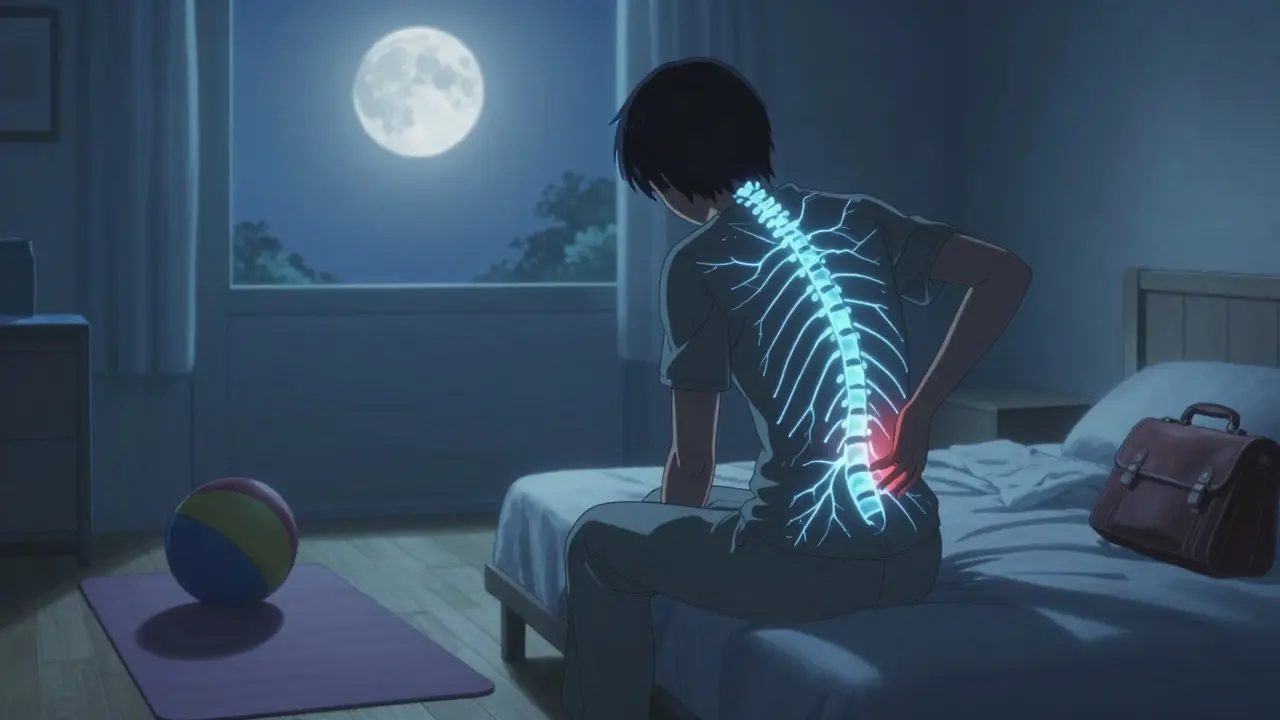
When pain sticks around for more than three months, it stops being a warning sign and starts becoming a disease in its own right. This isn’t just "bad back pain" or "always sore knees." It’s a systemic condition that rewires your nervous system, disrupts your sleep, ruins your job, and isolates you from friends and family. The chronic pain you’re living with isn’t something you’re imagining - it’s real, measurable, and recognized globally as a medical condition since the WHO’s ICD-11 update in 2022.
What Makes Pain "Chronic"?
The line between acute and chronic pain isn’t arbitrary. It’s based on decades of research and formalized by the International Association for the Study of Pain (IASP). If pain lasts longer than three months - or comes back repeatedly within that window - it’s classified as chronic. That’s not a suggestion. It’s the diagnostic threshold used by doctors, insurers, and researchers worldwide.
But here’s what most people don’t realize: chronic pain isn’t just about how long it lasts. It has to also interfere with your life. You can’t just have sore hips - you have to be unable to play with your kids, skip work because you can’t sit through a meeting, or avoid going out because the pain flares up when you’re around people. That’s the second requirement. And the third? It can’t be better explained by another condition. If you’ve had a nerve injury, that’s neuropathic pain. If it’s widespread and tender all over, it could be fibromyalgia. Each has its own rules.
There are four main types of chronic pain, and they don’t all act the same:
- Musculoskeletal (45.7% of cases) - Think arthritis, chronic back pain, tendonitis. It’s the kind you feel in your joints and muscles.
- Neuropathic (22.3%) - Burning, shooting, electric shocks. Caused by nerve damage from diabetes, shingles, or injuries.
- Visceral (18.1%) - Deep, aching pain from internal organs like the intestines or bladder.
- Nociplastic (13.9%) - Pain without clear tissue damage. Fibromyalgia and IBS fall here. Your nerves are hypersensitive, even if scans look normal.
Knowing which type you have changes everything. Musculoskeletal pain often responds well to physical therapy. Neuropathic pain needs medications like gabapentin. Nociplastic pain? That’s where multidisciplinary programs - combining therapy, movement, and education - work best.
How Chronic Pain Takes Over Your Daily Life
Most people think chronic pain means discomfort. It’s not. It’s a full-system overload.
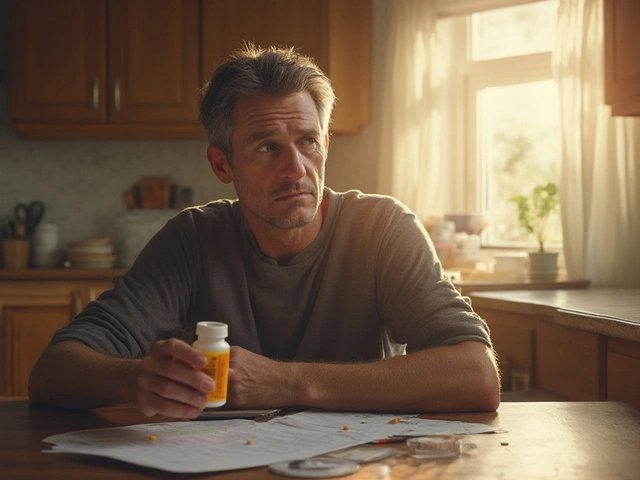
Look at the data: 82.4% of people with chronic pain report disrupted sleep. Not just trouble falling asleep - waking up every hour, unable to get comfortable, tossing and turning for hours. One Reddit user wrote, "I’ve been on the couch for three nights straight because every position hurts. I don’t remember what deep sleep feels like."
Work suffers, too. The average person with chronic pain misses 9.2 workdays a year. Those with severe pain? Over 16 days. That’s not just lost income - it’s lost identity. One man in Minnesota quit two jobs because he couldn’t stand longer than 20 minutes. Now he works remotely as a content editor, but still misses two to three days a month when his pain flares. He’s not lazy. He’s surviving.
Household chores? 78.3% of patients say they can’t do them without help. Social life? 65.2% avoid gatherings. Even personal care - showering, dressing, brushing teeth - becomes a battle for over half. You start canceling plans. You stop calling friends. You feel guilty for not being the person you used to be.
And then there’s the emotional toll. Depression and anxiety aren’t just side effects - they’re part of the condition. The same brain pathways that process pain also regulate mood. When pain is constant, your brain gets stuck in survival mode. You stop seeing solutions. You stop believing things will get better.
Why Most Treatments Fail
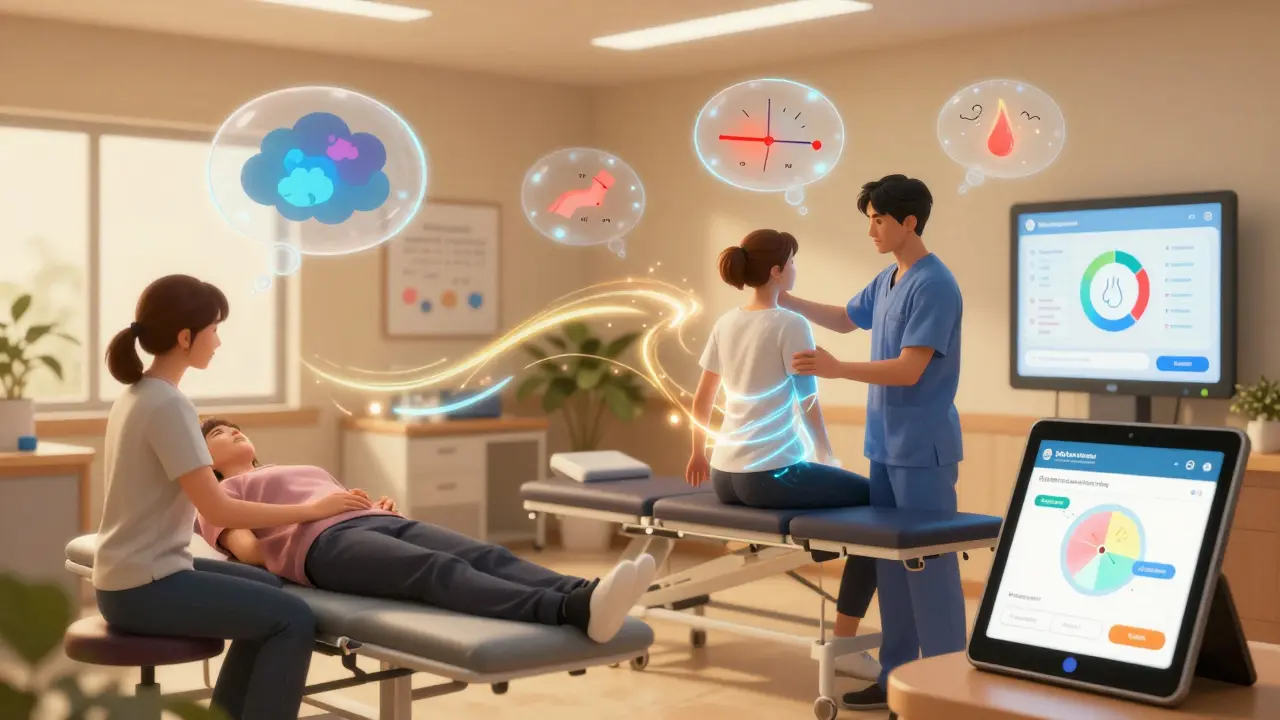
Doctors often start with pills. NSAIDs. Muscle relaxers. Opioids. But here’s the hard truth: monotherapy - treating chronic pain with just one thing - fails 68 to 82% of the time. That’s not because you’re not trying hard enough. It’s because chronic pain isn’t a single problem. It’s a tangled web of biology, psychology, and lifestyle.
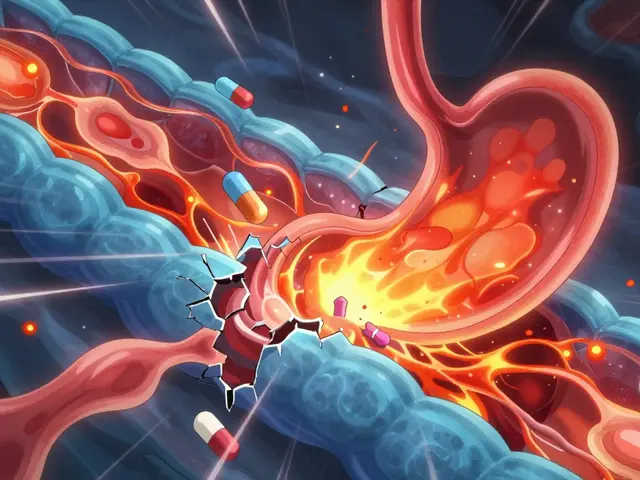
NSAIDs? They help about 45% of people, but the risk of stomach bleeding or heart issues is real. One in 37 people taking them for six months will have a major gastrointestinal event. Opioids? They offer only 10-15% more pain relief than non-opioid meds - but carry an 8-12% risk of addiction after just 90 days. That’s why the CDC now calls opioids a last resort.
The real breakthrough? Multimodal treatment. That means combining approaches:
- Cognitive Behavioral Therapy (CBT): 65% of patients report 30-50% pain reduction after 12 weekly sessions. It doesn’t erase pain - it changes how your brain reacts to it.
- Physical therapy: 70% of people see 25-40% improvement in function after 8-12 weeks. Movement isn’t the enemy - fear of movement is.
- Interdisciplinary pain programs: These are intensive, 3-4 week programs that include therapy, exercise, education, and peer support. One patient from Minnesota said, "After Mayo Clinic, my pain dropped from 8/10 to 3/10. I went back to teaching. It cost $12,500 out of pocket - but it was worth every penny."
Yet only 3,200 doctors in the entire U.S. are board-certified in pain medicine. That’s 0.3% of all physicians. Most primary care doctors aren’t trained to handle this complexity. And if you live in a rural area? You might drive 50 miles just to see a specialist.
What’s Actually Working Right Now
Change is happening - slowly, but it’s happening.
Kaiser Permanente launched a system-wide chronic pain initiative in January 2023. Result? Opioid prescriptions dropped 47.3%. How? They increased access to physical therapy (from 30 to 52 visits per year), covered 12 CBT sessions annually, and boosted interventional procedures. Pain scores stayed the same - but patients were more functional, less dependent on drugs.
Digital tools are stepping in, too. Apps like Curable and Reflect have over 400,000 combined users. They offer guided CBT, pain education, breathing exercises, and movement routines. The FDA now classifies some as digital therapeutics. And starting in 2023, Medicare covers 80% of the cost for approved apps - a major shift.
Research is moving fast. The NIH has poured $1.8 billion into non-addictive pain solutions since 2024. That includes $315 million for non-drug therapies and $427 million for new painkillers that don’t cause addiction. Meanwhile, the All of Us Research Program is collecting genetic and lifestyle data from 125,000 chronic pain patients. The goal? Personalized treatment plans by 2027.
The Hidden Crisis: Being Misunderstood
One of the most damaging parts of chronic pain isn’t the pain itself - it’s how people react to it.
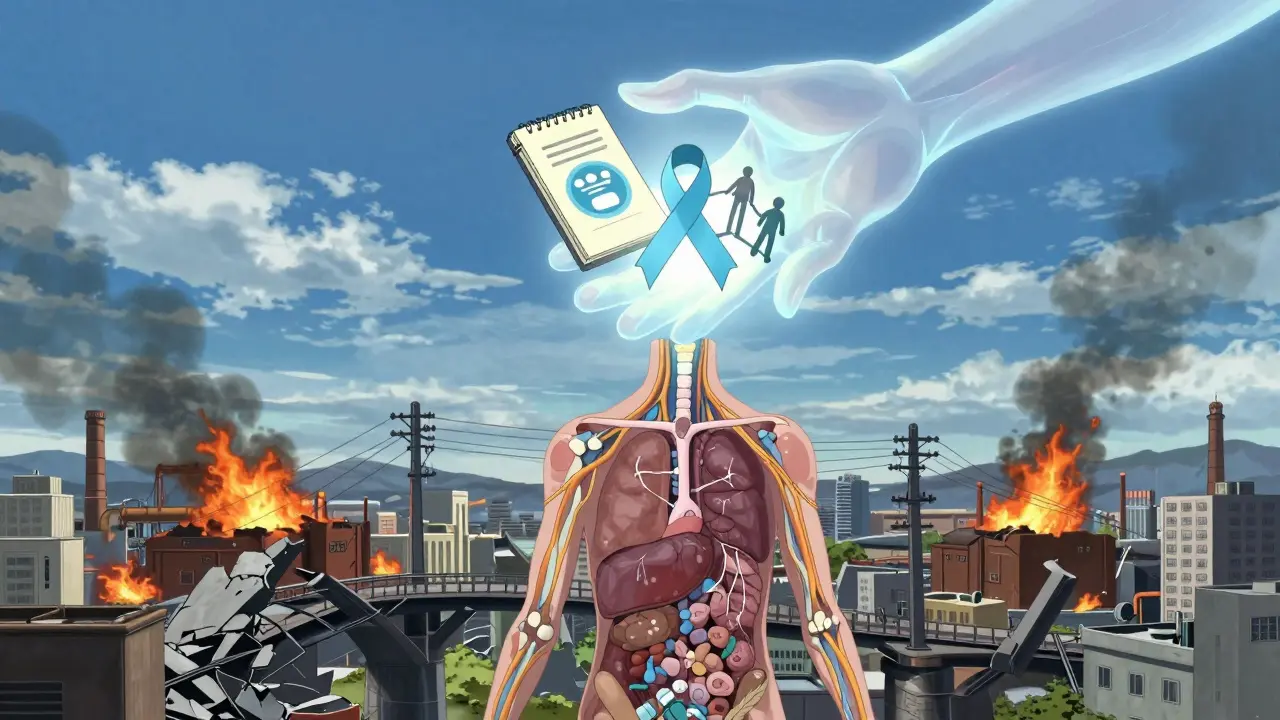
A 2023 survey of 4,820 patients found that 68.7% feel misunderstood by their doctors. Half have been called "drug-seeking" in emergency rooms. One woman in Ohio said, "I went in with a flare-up. The nurse said, ‘You’re here again? You’re not addicted, are you?’ I cried in the parking lot."
That stigma delays care. On average, it takes 7.3 months from first symptoms to proper diagnosis. By then, the nervous system has already changed. The window for early intervention closes.
And it’s not just doctors. Friends, family, coworkers - they all have opinions. "Just stretch more." "Try yoga." "You’re too stressed." These comments aren’t helpful. They’re isolating. Chronic pain patients often feel like they’re being blamed for their own suffering.
What You Can Do Right Now
If you’ve had pain for over three months, here’s what to do next:
- Get a proper diagnosis. Ask your doctor: "Which type of chronic pain do I have?" Don’t accept "it’s just aging" or "it’s all in your head."
- Start non-drug treatments now. Schedule a physical therapy evaluation. Look into CBT. Even 10 minutes of daily breathing exercises can help retrain your nervous system.
- Track your pain. Use a simple journal: rate your pain (1-10), note triggers (weather, stress, activity), and record sleep quality. Patterns emerge over time.
- Find your people. Online communities like r/ChronicPain on Reddit are lifelines. You’re not alone. And you’re not weak.
- Know your rights. Medicare and many private insurers now cover CBT, physical therapy, and digital pain apps. Ask your provider what’s covered.
Chronic pain doesn’t have to be your whole life. It can be managed. It can be lived with. But it takes the right approach - not more pills, but more tools, more support, and more understanding. The science is clear. The treatments exist. The biggest barrier now isn’t medicine - it’s access and awareness.
Is chronic pain just "bad pain" that won’t go away?
No. Chronic pain is a distinct medical condition, not just prolonged acute pain. It involves changes in the nervous system that make pain signals amplify over time, even after an injury heals. The International Association for the Study of Pain defines it as pain lasting longer than three months that interferes with daily life - and it’s now classified as a disease in the WHO’s ICD-11.
Can chronic pain be cured?
For most people, chronic pain can’t be fully "cured" like an infection. But it can be significantly reduced and managed. Many patients reduce their pain by 50% or more using multimodal approaches like physical therapy, CBT, and lifestyle changes. The goal isn’t to eliminate pain entirely - it’s to restore function and quality of life.
Why are opioids not recommended for chronic pain?
Opioids offer only 10-15% more pain relief than non-opioid medications, but carry serious risks: addiction in 8-12% of users after 90 days, overdose potential, and tolerance that leads to higher doses. The CDC and American Pain Society now classify opioids as a last-resort option due to these dangers and lack of long-term benefit.
What’s the difference between fibromyalgia and other chronic pain?
Fibromyalgia is a type of nociplastic pain - meaning it’s caused by abnormal pain processing in the central nervous system, not tissue damage. It requires widespread pain for at least three months, affecting both sides of the body and above and below the waist. Unlike arthritis or nerve damage, there’s no visible injury on scans, but the pain is very real and often accompanied by fatigue, sleep issues, and brain fog.
Are pain management apps actually helpful?
Yes - if they’re evidence-based. Apps like Curable and Reflect use cognitive behavioral therapy, mindfulness, and pain neuroscience education, backed by clinical studies. Medicare now covers 80% of the cost for approved digital therapeutics. They’re not magic, but they’re proven tools for reducing pain intensity and improving daily function.
How do I find a pain specialist near me?
Start by asking your primary care doctor for a referral. You can also search through the American Board of Pain Medicine’s directory or contact major medical centers like Mayo Clinic, Cleveland Clinic, or Kaiser Permanente. In rural areas, telehealth pain clinics are becoming more common. There are only about 3,200 board-certified pain specialists in the U.S., so demand is high - start early.


Comments (14)
Gaurav Meena
January 30, 2026 AT 23:14 PMMan, this hit home. I’ve been dealing with neuropathic pain for 5 years now-burning legs, electric shocks at night. Tried everything. CBT changed my life. Not because it erased the pain, but because I stopped fighting it. Now I sleep 5 hours straight. Small wins, right? 🙌
Jodi Olson
January 31, 2026 AT 17:52 PMChronic pain is not an illness-it is a systemic recalibration of the organism’s relationship to sensation. The body learns to sustain suffering as a default state. To treat it as a symptom is to misunderstand its ontology. We must reframe pain not as a signal, but as a language.
calanha nevin
February 1, 2026 AT 07:29 AMStop calling it 'just pain.' It’s a neurological rewiring event. The fact that 68% of patients are dismissed by doctors isn’t negligence-it’s a failure of medical education. We need mandatory pain neuroscience training in med school. Period. And stop pushing opioids like candy. The CDC guidelines exist for a reason.
Sidhanth SY
February 1, 2026 AT 09:47 AMBeen there. Did the PT. Tried the apps. Still can’t pick up my kid without wincing. But I stopped feeling guilty about it. This post? Perfect. No sugarcoating. Just facts. Thanks for writing this.
Adarsh Uttral
February 2, 2026 AT 02:24 AMso like… chronic pain is real? wow. i thought it was just people being dramatic. lol jk. i got a buddy with fibro and he’s always like ‘i’m tired’ and ‘my back hurts’ and i was like bro just do yoga. but now i get it. sorry dude.
Niamh Trihy
February 2, 2026 AT 13:53 PMOne thing missing here: the role of trauma in nociplastic pain. Many patients with fibromyalgia or IBS have histories of emotional or physical trauma. The nervous system doesn’t just react to injury-it reacts to fear. Healing requires safety, not just stretching. Have you considered ACE scores in your data?
Diana Dougan
February 2, 2026 AT 17:12 PMOh great. Another ‘chronic pain is a disease’ post. Next you’ll tell me my dog’s arthritis is a ‘systemic condition.’ Wake up. People are just weak. Do yoga. Take a walk. Stop whining. Also, why does everyone need a $12k program? Just breathe. 😴
Bobbi Van Riet
February 4, 2026 AT 05:01 AMI’ve been in this for 12 years. I did the 3-week Mayo program. It cost me everything-my savings, my marriage, my faith in the system. But I can now walk to the mailbox without crying. CBT didn’t fix my pain, but it fixed my relationship with it. I don’t feel like a burden anymore. And yes, I cried in the parking lot too. You’re not alone. I see you. I’ve been you.
Holly Robin
February 4, 2026 AT 23:41 PMTHEY’RE HIDING THE TRUTH. Opioids work. They’ve been working for centuries. Why are they shutting them down? Big Pharma doesn’t want you healing naturally. They want you on $200/month apps and $10k ‘programs’ that don’t even work. The FDA is corrupt. The NIH is funded by the same companies that make the drugs they claim are dangerous. Wake up. This is control. Pain is your body’s way of telling you to stop living in this broken system.
Shubham Dixit
February 6, 2026 AT 20:55 PMIndia has 150 million people with chronic pain and zero access to CBT or pain specialists. We get paracetamol and a prayer. Meanwhile, Americans talk about $12,500 programs like it’s normal. You think your suffering is unique? Try living in a village where the nearest doctor is 80km away and your pain is called ‘joints weak from monsoon.’ This post is beautiful but it’s written for the privileged. Where’s the global view?
KATHRYN JOHNSON
February 7, 2026 AT 03:00 AMChronic pain is a moral failure. People who can’t work are a burden. Society doesn’t owe you a cure. You should have exercised more. Eaten better. Stayed positive. This post romanticizes weakness. It’s dangerous.
Blair Kelly
February 7, 2026 AT 16:55 PMI used to be a marathon runner. Now I can’t tie my shoes. I’ve been on 17 different meds. Lost 3 jobs. My wife left. I’m 34. I just want to hold my niece without crying. This post? It’s the first thing that didn’t make me feel like a fraud. Thank you.
Rohit Kumar
February 8, 2026 AT 06:08 AMIn India, we say ‘dard jeevan ka hissa hai’-pain is part of life. But this isn’t just pain. It’s a betrayal by your own body. The West has the money for apps and programs. We have silence. Maybe the real treatment isn’t in clinics-it’s in community. In someone saying, ‘I’m here.’ Not fixing. Just being.
Katie and Nathan Milburn
February 10, 2026 AT 00:36 AMMy wife has fibromyalgia. We’ve been through every option. The most powerful thing? A 10-minute evening walk together. No talking. Just presence. She says it’s the only time she feels like herself. Science says movement helps. I say love helps more.