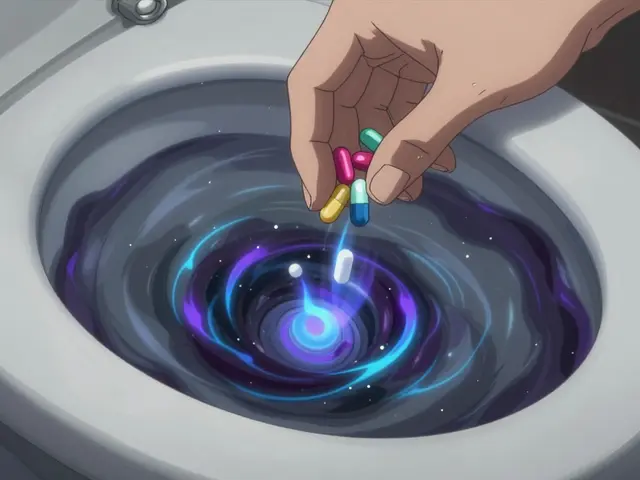

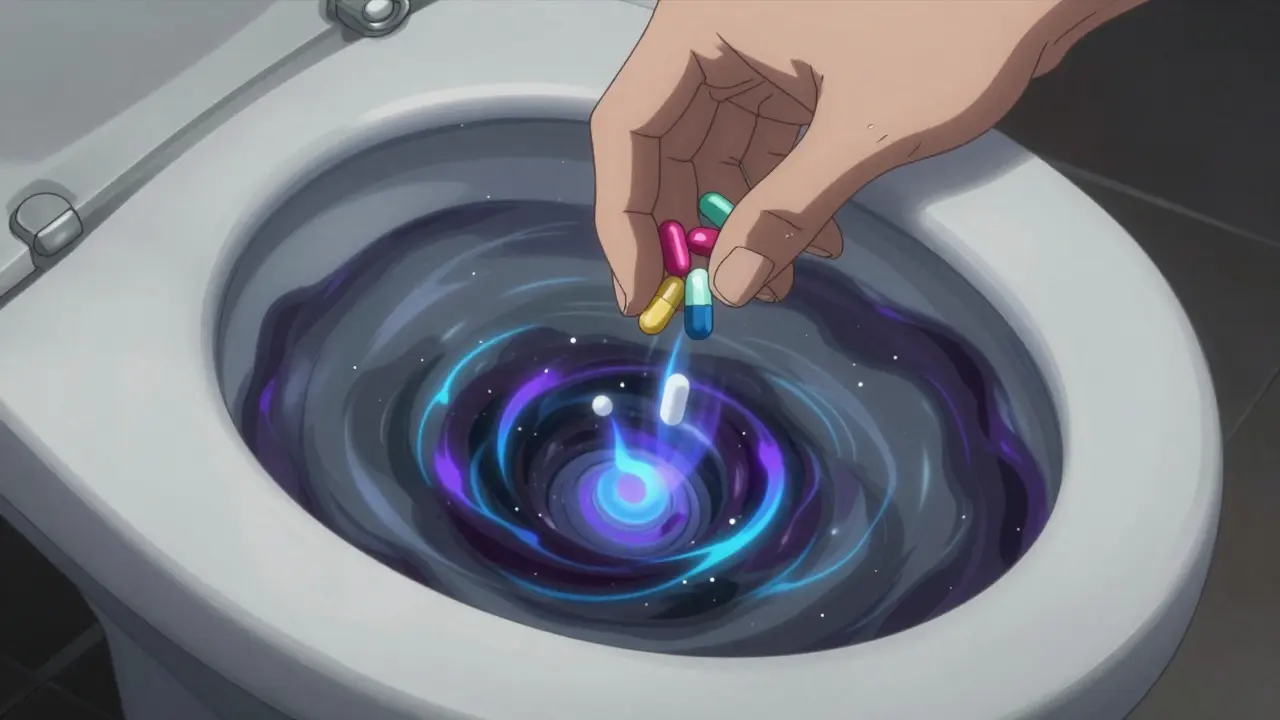
It is a common habit to toss an old pill bottle into the trash or rinse expired tablets down the sink. It feels quick and easy. But that convenience comes with a hidden price tag for our water systems and local ecosystems. When you flush medications, you are not just getting rid of waste; you are introducing active chemical compounds directly into the water supply. This practice contributes to pharmaceutical pollution, which is the contamination of water bodies by drug residues from human excretion and improper disposal. Understanding how this happens and what you can do about it is crucial for protecting both public health and the environment.
How Medications Enter Our Water Systems
The journey of a flushed pill begins in your toilet but ends up much further downstream. Conventional wastewater treatment plants are designed to remove solids, nutrients, bacteria, and pathogens. They are not built to filter out dissolved pharmaceutical compounds. As Tiffany Morgan, an environmental compliance manager, explains, medications break down into very small molecules that traditional systems simply cannot treat. These compounds pass through the filters and enter rivers, lakes, and groundwater.
There are two main ways drugs reach these waters. The first is human excretion. When you take a prescription, your body absorbs only 20-30% of the active ingredient. The rest passes through your system and enters the sewage network. The second pathway is improper disposal. Flushing pills sends them directly into the water without any chance of degradation before reaching treatment facilities. A landmark study by the U.S. Geological Survey (USGS) published in 2002 detected traces of hundreds of pharmaceuticals and personal care products (PPCPs) in 80% of sampled waterways across 30 states. Antibiotics were present in half of those samples. This was one of the first clear signals that our water systems were becoming chemical cocktails.
- Human Excretion: Unabsorbed drug components leave the body via urine or feces.
- Direct Flushing: Unused or expired meds are rinsed down toilets or sinks.
- Landfill Leachate: Pills thrown in trash can leak chemicals into soil and groundwater as landfills degrade.
The Ecological Damage Caused by Drug Residues
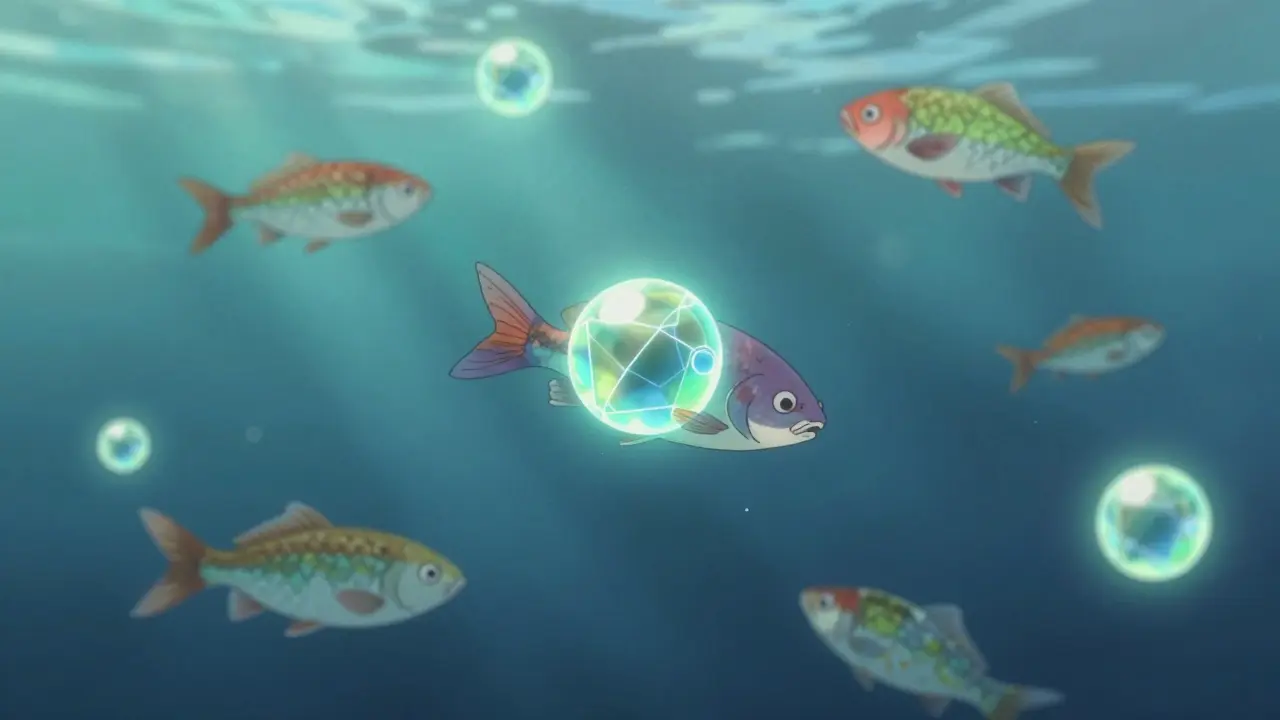
You might wonder if tiny amounts of medication in water really matter. The answer is yes. Even at concentrations below 100 nanograms per liter (ng/L), these substances can disrupt aquatic life. One of the most documented effects is endocrine disruption. Estrogen-like compounds found in birth control pills and hormone therapies have been linked to sexual abnormalities in fish. Male fish exposed to these hormones may develop female characteristics, reducing their ability to reproduce.
Non-steroidal anti-inflammatory drugs (NSAIDs) like ibuprofen and diclofenac are also widespread pollutants. Studies have shown they can cause kidney damage in fish and alter behavior in aquatic insects. Perhaps more concerning is the role of antibiotics in promoting antibiotic resistance. When low doses of antibiotics persist in the environment, bacteria learn to survive them. This creates superbugs that can eventually affect human health. The OECD states clearly that improper disposal results in significant environmental contamination and public health risks. We are essentially training bacteria to resist the very medicines we rely on to stay alive.
Is Flushing Ever the Right Choice?
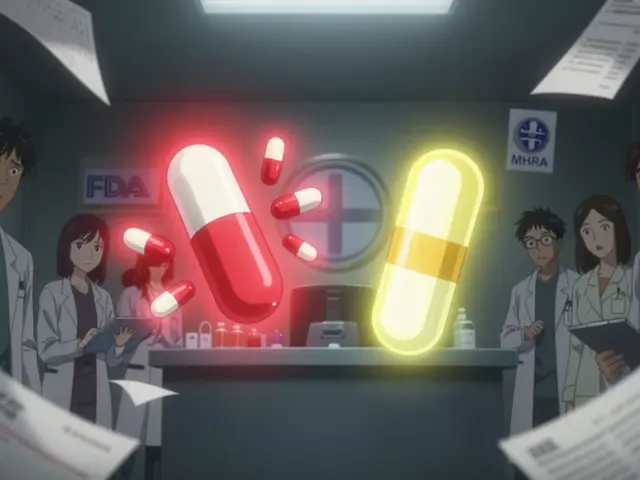
Here is where things get confusing. For years, advice on disposal shifted back and forth. The FDA maintains a specific "flush list" of medications that should be disposed of by flushing. This list includes high-risk opioids like fentanyl, oxycodone, and hydromorphone. Why? Because the immediate danger of these drugs being stolen and misused by children or others outweighs the potential ecological risk. If a child ingests a handful of powerful painkillers left in a medicine cabinet, the consequences are fatal. In this narrow context, flushing is considered the safer option for public safety.
However, this list is short-only about 15 medications. For everything else, flushing is discouraged. The FDA updated this list in October 2022, removing some drugs and adding others based on new ecological risk assessments. Most people do not know which drugs are on this list. This confusion leads to unnecessary flushing of safe-to-store medications. Always check the label or the FDA website before deciding to flush. If it is not on the flush list, assume it should not go down the drain.
| Method | Environmental Impact | Safety Risk (Misuse) | Accessibility |
|---|---|---|---|
| Flushing | High (Immediate water contamination) | Low (Prevents theft/misuse) | Very High (Home-based) |
| Trash (Mixed) | Medium (Leachate risk) | Medium (Risk of retrieval) | High (Home-based) |
| Take-Back Programs | Lowest (Secure incineration) | Lowest (Professional handling) | Variable (Depends on location) |
Best Alternatives to Flushing Medications
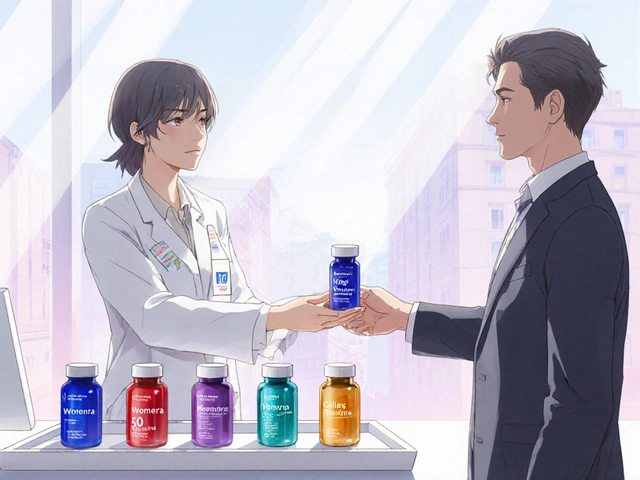
If you have unused or expired medications, there are better ways to handle them than flushing or tossing them loosely in the bin. The gold standard is using a medication take-back program. These programs allow you to drop off drugs at designated collection sites, such as pharmacies, hospitals, or law enforcement facilities. The drugs are then securely incinerated, preventing them from entering the water supply or falling into the wrong hands. In the United States, the Secure and Responsible Drug Disposal Act of 2010 enabled pharmacies to set up these kiosks. However, access remains uneven. According to DEA statistics from April 2023, only 2,140 authorized collection sites existed nationwide, mostly in urban areas. If you live in a rural area, finding a site might require a drive.
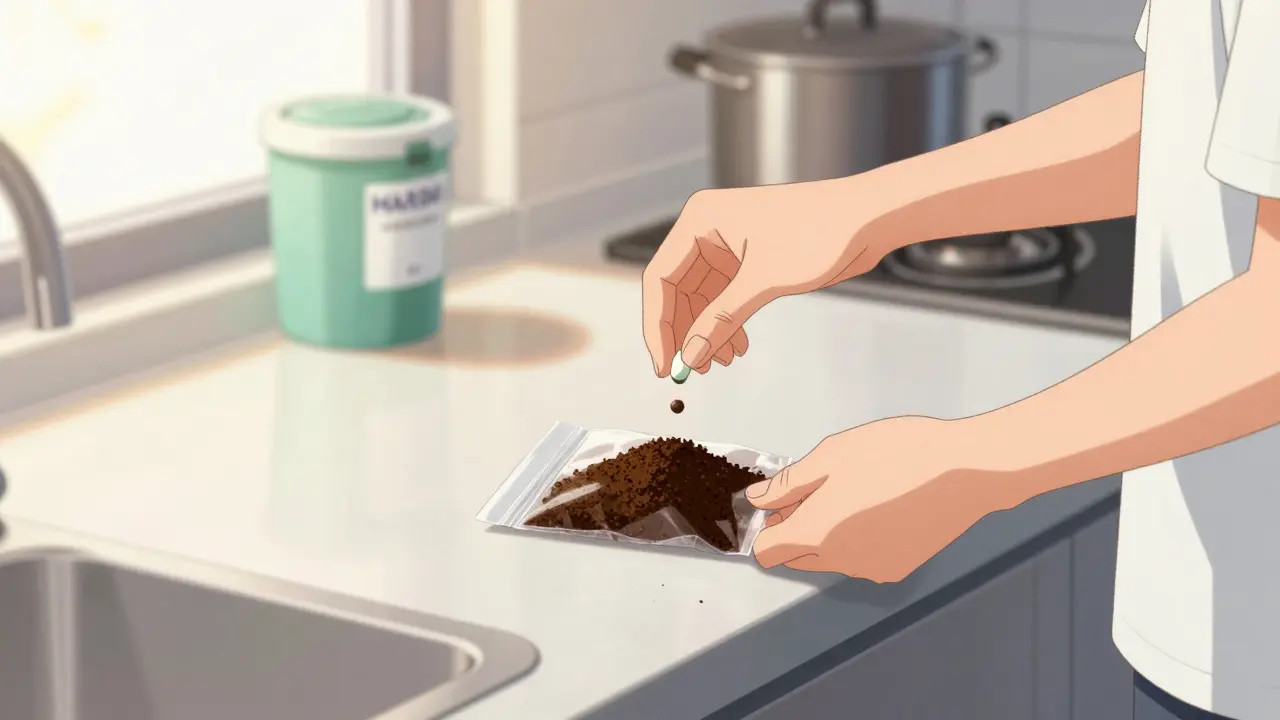
What if you cannot find a take-back location? The EPA recommends a home disposal method that balances safety and environmental concern. You should mix the medications with an unappealing substance like coffee grounds, cat litter, or dirt. Place this mixture in a sealed container, such as a plastic bag or empty jar, and throw it in your household trash. This makes the drugs less attractive to children or pets and reduces the chance of someone retrieving them from the garbage. While this method still risks landfill leachate, experts agree it is generally safer for water systems than flushing.
- Check for Take-Back Sites: Use the DEA’s Controlled Substances Diversion Control Division locator or ask your local pharmacy.
- Remove Personal Info: Scratch out your name and details on the prescription label before disposing of the container.
- Mix with Unpleasant Materials: Combine pills with coffee grounds or cat litter.
- Seal Tightly: Put the mixture in a sealed bag or container.
- Dispose in Trash: Throw the sealed container in your regular household waste.
Regulatory Changes and Future Solutions
The problem of pharmaceutical pollution is gaining regulatory attention. The European Union has implemented Extended Producer Responsibility (EPR) schemes in 16 member states. This means pharmaceutical manufacturers must fund take-back programs, shifting the burden from consumers to producers. California passed SB 212, effective January 1, 2024, requiring all pharmacies to provide disposal information with every prescription. These steps aim to educate patients and improve infrastructure.
Technological solutions are also emerging. Advanced wastewater treatment methods like ozone treatment and activated carbon filtration can remove 85-95% of pharmaceutical compounds. However, retrofitting municipal systems costs between $500,000 and $2 million per facility. Until these technologies become standard, prevention remains the most effective strategy. Researchers emphasize reducing unused pharmaceuticals at the source through better prescribing practices and patient education. The German START research program modeled that combining improved prescribing, robust take-back infrastructure, and public education could reduce environmental loading from improper disposal by 60-75%.
Practical Tips for Reducing Pharmaceutical Waste
You can play a part in solving this issue by changing how you manage your medications. Start by avoiding over-purchasing. Ask your doctor if you can refill prescriptions as needed rather than buying large quantities upfront. Many people stockpile antibiotics or painkillers "just in case," leading to expiration and eventual disposal. If you are prescribed a medication you do not need immediately, ask if it can be filled later.
Another key step is understanding expiration dates. Most solid oral medications remain stable well past their printed date if stored properly in a cool, dry place. Do not throw away pills simply because they are a few months old unless they show signs of degradation like discoloration or crumbling. Regularly clean out your medicine cabinet once or twice a year. Separate usable drugs from expired ones. Donate unused, unexpired medications to legitimate charity programs if available in your region, ensuring they are still sealed and within date.
Finally, spread awareness. Many people still believe flushing is the best way to dispose of drugs due to outdated advice. Share information about take-back programs and proper trash disposal methods with friends and family. Small changes in individual behavior, when multiplied across communities, can significantly reduce the volume of pharmaceuticals entering our waterways.
Should I flush my unused antibiotics?
No, you should not flush antibiotics unless specifically instructed by a healthcare provider or listed on the FDA's flush list. Flushing antibiotics contributes to antibiotic resistance in the environment. Instead, use a take-back program or mix them with coffee grounds and dispose of them in the trash.
What is the FDA flush list?
The FDA flush list is a short list of high-risk medications, primarily opioids like fentanyl and oxycodone, that pose a greater danger if misused than if flushed. These drugs should be flushed down the toilet if no take-back option is available to prevent accidental ingestion or overdose.
Can wastewater treatment plants remove drugs from water?
Conventional wastewater treatment plants are not designed to remove dissolved pharmaceutical compounds. They focus on solids and bacteria. Advanced treatments like ozone or activated carbon can remove many drugs, but these are not yet standard in most municipalities.
How do I find a medication take-back program near me?
You can find take-back locations using the DEA’s online locator tool or by contacting local pharmacies, hospitals, or police stations. Many community events also host temporary collection bins for safe drug disposal.
Is throwing pills in the trash harmful to the environment?
Throwing pills in the trash can lead to landfill leachate contaminating soil and groundwater. However, mixing them with unappealing substances like coffee grounds and sealing them tightly reduces the risk of misuse and is generally considered safer for water systems than flushing.
Why do pharmaceuticals cause problems in small amounts?
Even at low concentrations, pharmaceuticals can act as endocrine disruptors, affecting the reproductive systems of aquatic animals. They can also promote antibiotic resistance in bacteria, making infections harder to treat in humans and wildlife.