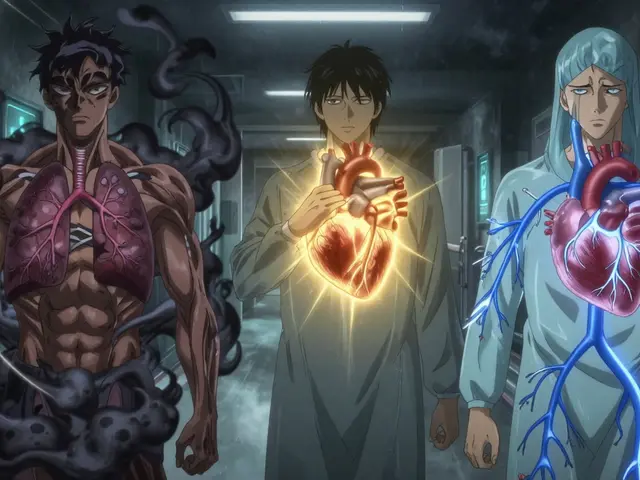

When a pheochromocytoma, a rare, usually noncancerous tumor that grows on the adrenal gland and overproduces adrenaline and noradrenaline. Also known as adrenal chromaffin cell tumor, it can cause sudden, life-threatening spikes in blood pressure, sweating, headaches, and heart palpitations. The only reliable cure is surgical removal. Unlike other tumors, you can’t just wait and watch—this thing keeps flooding your body with stress hormones, and left untreated, it can trigger a heart attack, stroke, or sudden death during routine activities like climbing stairs or even emotional stress.
Surgeons remove the tumor through either a minimally invasive laparoscopic approach or, in larger or more complex cases, an open surgery. The key is preparation: before the knife even touches skin, doctors give you medications like alpha-blockers to calm your blood pressure and stabilize your heart. This isn’t optional—it’s what makes the surgery safe. Without it, the moment the tumor is touched, your body could go into a catecholamine storm. The surgery itself usually takes 2 to 4 hours, and most people go home within a day or two. But recovery isn’t just about healing the incision—it’s about your body adjusting to no longer being flooded with excess hormones. Some people feel better instantly; others take weeks to get back to normal as their nervous system recalibrates.
It’s not just about the surgery itself. You need to know what comes after. Blood pressure can drop too low right after removal, so you’ll be monitored closely. And while most pheochromocytomas are benign, doctors still check for recurrence or other tumors—especially if you have a family history or genetic condition like MEN2 or VHL. If you’ve had this tumor, you’re at higher risk for others, so follow-up scans and blood tests aren’t optional. You’re not just getting a tumor removed—you’re managing a lifelong condition that requires attention.
What you’ll find below are real, practical posts that dig into the details most guides skip: how medications like alpha-blockers work before surgery, what recovery really feels like, why some people still have high blood pressure after removal, and how this condition connects to other adrenal issues like Cushing’s syndrome. These aren’t theory pieces—they’re written for people who’ve been there or are about to be. No fluff. Just what you need to know to ask the right questions, prepare properly, and understand what’s coming next.
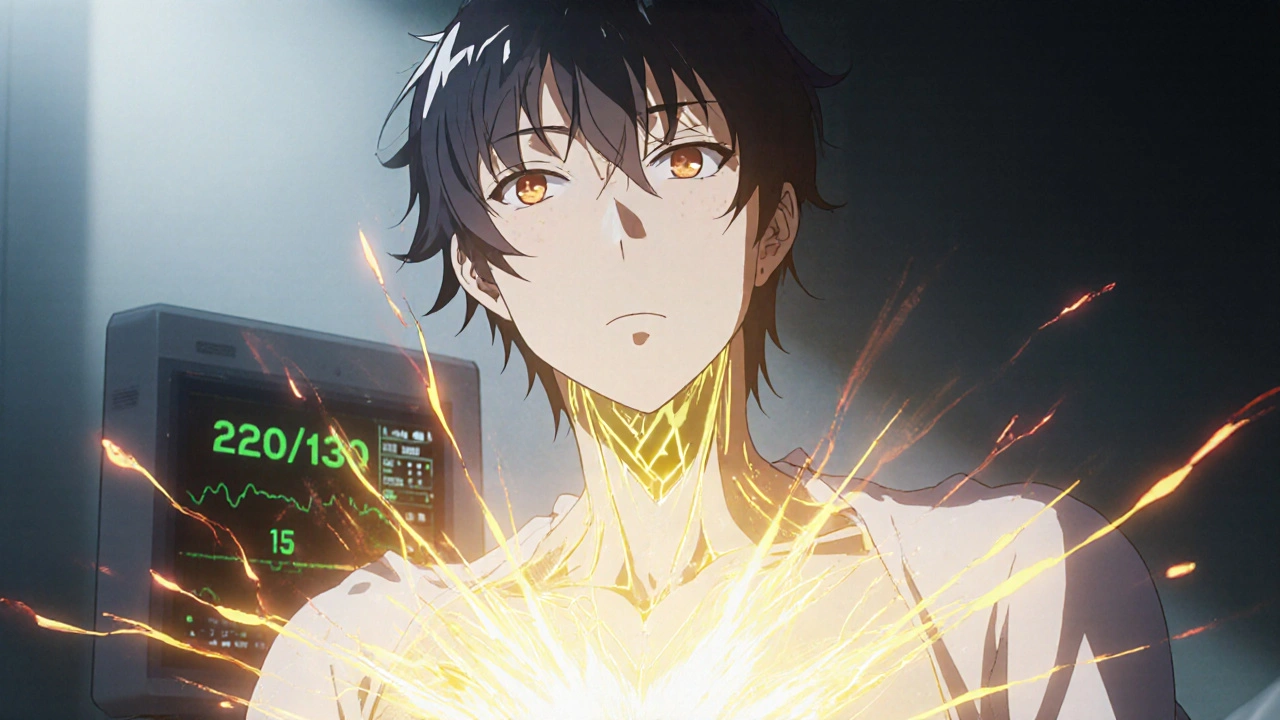
Pheochromocytoma is a rare adrenal tumor that causes dangerous spikes in blood pressure, sweating, and heart palpitations. Unlike common hypertension, it can be cured with surgery-but only if correctly diagnosed. Learn the symptoms, tests, and why pre-op preparation saves lives.