

Linezolid Tyramine Safety Checker
Check Your Food Safety
Linezolid can cause dangerous blood pressure spikes when combined with tyramine-rich foods. Enter any food item to check its safety during treatment and for 14 days after your last dose.
Key Safety Reminders
- 100 mg tyramine threshold: One unsafe meal can trigger a hypertensive crisis
- 14-day rule: Avoid high-tyramine foods for 14 days after your last dose
- Safe foods: Fresh fruits, vegetables, plain dairy, white wine (1 glass max)
- Emergency symptoms: Severe headache, chest pain, blurred vision - seek immediate medical help
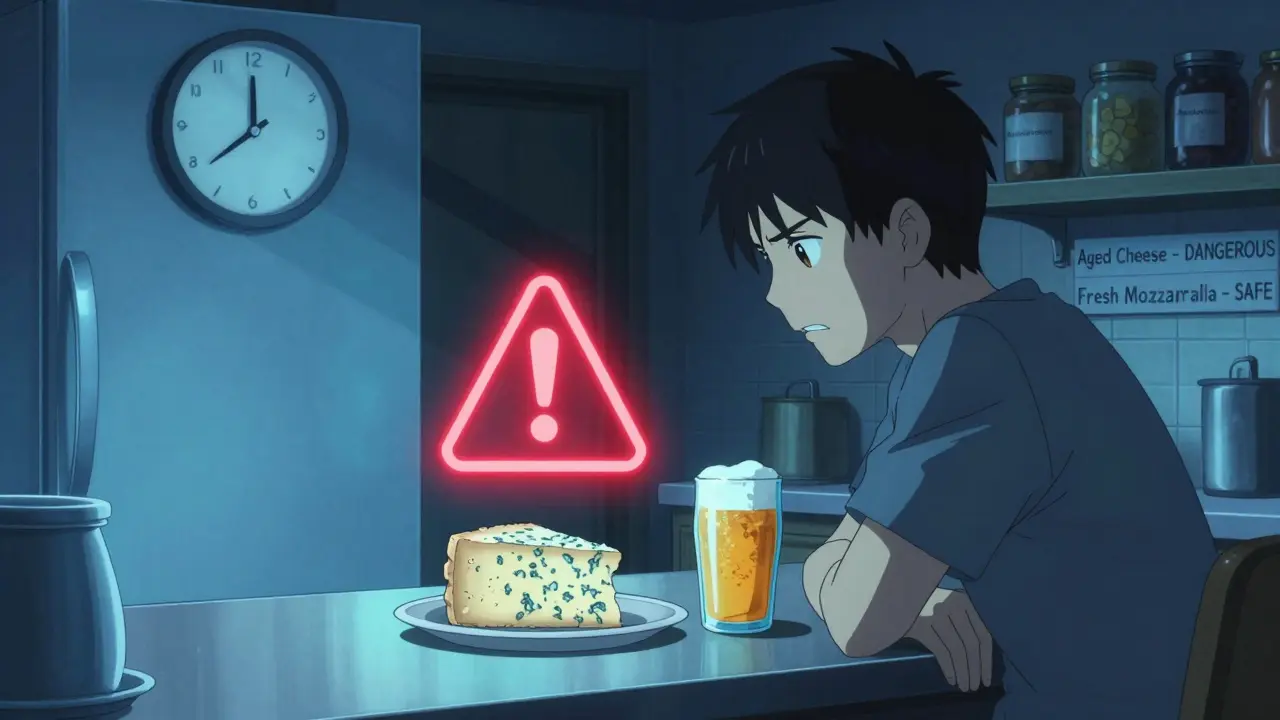
When you're prescribed linezolid - the antibiotic used for tough infections like MRSA or VRE - your doctor might warn you about your diet. It sounds odd: why would a pill for a lung or skin infection care what cheese you eat? But here's the truth: linezolid isn't just an antibiotic. It's also a weak but real monoamine oxidase inhibitor (MAOI). That means it can stop your body from breaking down a natural compound in food called tyramine. And when tyramine builds up, your blood pressure can spike dangerously - fast.
Why Linezolid Can Raise Your Blood Pressure
Linezolid works by blocking bacteria from making proteins. That’s good. But it also accidentally blocks your body’s own enzymes - monoamine oxidase A - that normally clean up tyramine. Tyramine is found in aged, fermented, or spoiled protein-rich foods. When it’s not broken down, it triggers a flood of norepinephrine, a chemical that tightens blood vessels. That’s when your blood pressure shoots up. In some cases, systolic pressure can jump 30 to 50 mmHg in under two hours. That’s not just a headache. That’s a hypertensive crisis - risk of stroke, heart attack, or even death.
The FDA says a single meal with over 100 mg of tyramine can trigger this. Sounds like a lot? It’s not. A 100g slice of blue cheese? That’s 200 mg. A 12-oz craft beer? Up to 80 mg. A spoonful of soy sauce? 15 mg. Add them together, and you’re in danger zone.
What Foods Are Safe? What Should You Avoid?
Not every food is dangerous. Freshness matters. If it’s fresh, unaged, and unprocessed - you’re likely fine. But anything fermented, aged, or left sitting too long? Avoid it.
Avoid these at all costs while on linezolid:
- Aged cheeses: blue cheese, cheddar, parmesan, gouda, Swiss - anything labeled "aged" or "sharp"
- Dry fermented sausages: salami, pepperoni, summer sausage
- Tap beer, craft beer, bottled/canned beer, ale, lager - even if it’s "non-alcoholic"
- Red wine, champagne, vermouth, liqueurs, homemade wine
- Soy sauce, miso, teriyaki, and other fermented soy products
- Overripe bananas, avocados, or figs - yes, even fruit can be risky
- Liver, game meats (venison, wild boar), pâté
- Yeast extracts: Marmite, Vegemite
- Protein supplements or shakes containing hydrolyzed proteins
These are generally safe:
- Fresh meats, poultry, and fish - cooked right after purchase
- Fresh fruits and vegetables - no mold, no bruising
- White wine (up to 1 glass - check label for fermentation)
- Decaffeinated coffee or tea
- Plain crackers, rice, pasta, bread
- Milk, yogurt, cottage cheese (fresh, not aged)
- Chocolate - small amounts only (under 2 oz)
Here’s the catch: food labels rarely list tyramine content. So you can’t just check the nutrition facts. You have to know how the food was made. A block of cheddar from the grocery store? Avoid. Fresh mozzarella? Fine. A bottle of imported soy sauce? Skip it. A packet of store-bought teriyaki glaze? Probably not safe.
Hospital vs. Home: Two Different Rules
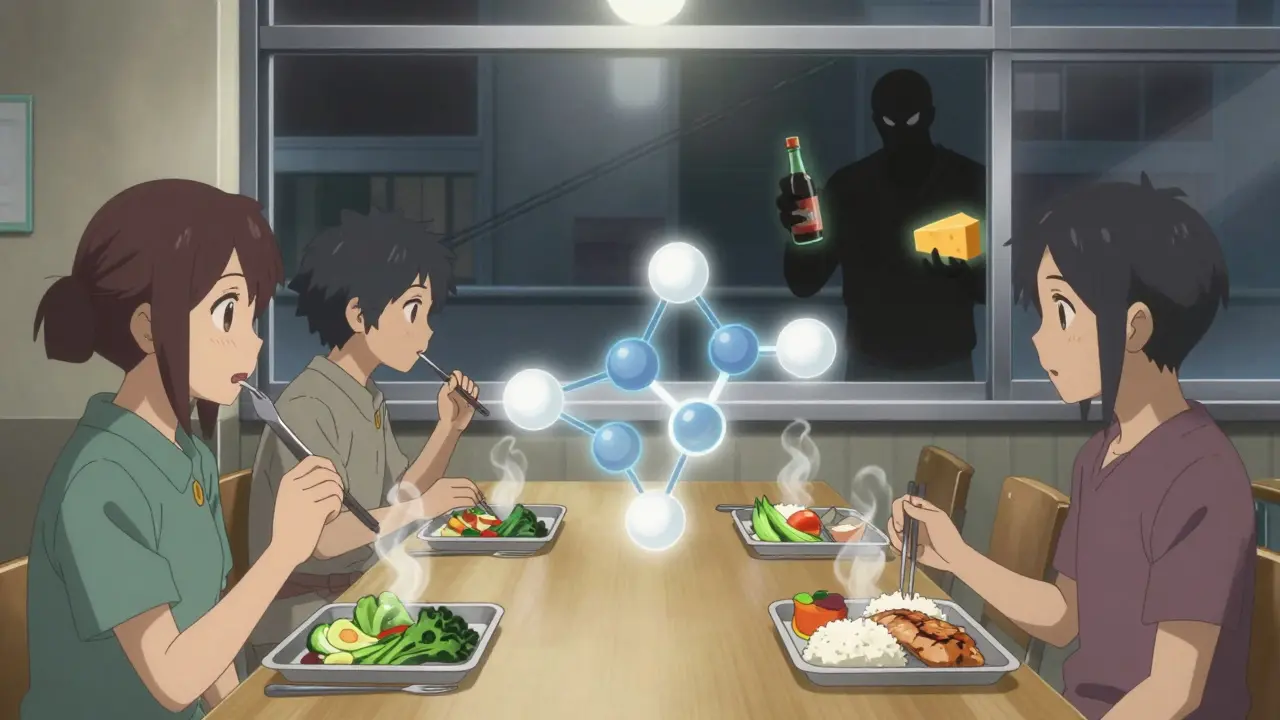
If you’re in the hospital, you’re probably safe. Most hospitals stopped forcing patients on linezolid to eat bland, restricted diets years ago. Why? A 2010 study from NewYork-Presbyterian Hospital analyzed over 1,000 meals served to linezolid patients. The highest tyramine intake in a single day? 42 mg - less than half the danger threshold. Hospitals serve fresh, standardized meals. No aged cheeses. No fermented sausages. No craft beer. So, no need to panic.
But if you’re taking linezolid at home? That’s where the risk kicks in. You’re in charge of your food. You might grab a slice of sharp cheddar for lunch. Or crack open a craft IPA after work. Or use soy sauce in your stir-fry. That’s when trouble starts. A 2019 survey found only 45% of outpatients got clear dietary advice from their providers. That’s too low. You need to know exactly what to avoid.
How Long Do You Need to Stay on the Diet?
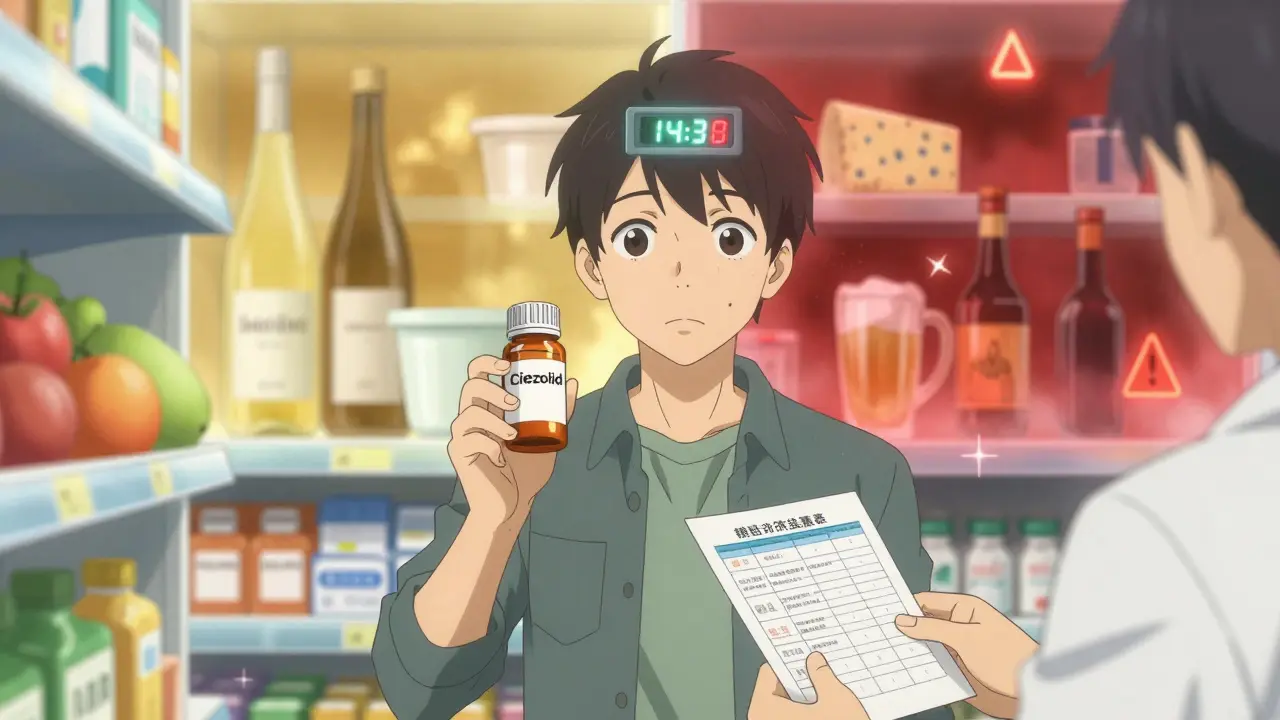
It’s not just while you’re taking the pills. You have to keep avoiding high-tyramine foods for 14 days after your last dose.
Why? Linezolid leaves your body quickly - half of it is gone in about 5 hours. But its effect on the MAO enzyme? That sticks around. The enzyme doesn’t bounce back overnight. It takes two weeks for your body to make new enzymes and restore normal tyramine breakdown. Jumping back into blue cheese or red wine too soon? That’s how people end up in the ER.
Studies show 78% of adverse reactions happen after treatment ends - not during. People think they’re "safe" once the pills are done. They’re not.
What If You Accidentally Eat Something Risky?
If you eat a high-tyramine food while on linezolid, watch for symptoms:
- Sudden, severe headache
- Blurred vision
- Fast heartbeat or chest pain
- Stiff neck or nausea
- Heavy sweating
These can show up within 30 to 120 minutes. If you feel any of these, call your doctor or go to the ER. Don’t wait. A hypertensive crisis can escalate fast. Hospitals have drugs to reverse it - but only if you act quickly.
Who’s at Highest Risk?
Not everyone reacts the same. Genetics play a role. Some people naturally have less active MAO enzymes. If you’ve ever had high blood pressure from eating aged cheese while on other meds (like antidepressants), you’re more sensitive. Older adults, people with existing high blood pressure, or those taking other stimulants (like decongestants) are also at higher risk.
And don’t assume "natural" means safe. Herbal supplements like St. John’s Wort or yohimbe can also interact. Even over-the-counter cold meds with pseudoephedrine? Avoid them. Stick to plain acetaminophen for pain.
How to Stay Safe: A Simple Checklist
Here’s what to do when you get your linezolid prescription:
- Ask your pharmacist for a printed food list - most have one.
- Don’t rely on memory. Write down the "avoid" list and stick it on your fridge.
- When shopping, skip anything labeled "aged," "fermented," "cured," or "artisanal."
- When dining out, ask if the meat or cheese is fresh. If they hesitate - pick something else.
- Never drink alcohol unless it’s plain white wine (one glass max).
- Keep a food journal for the first week - note everything you eat.
- Wait 14 full days after your last pill before touching cheese, beer, or soy sauce again.
Bottom Line: This Isn’t Just a "Warning" - It’s a Lifesaver
Linezolid is a powerful tool. It saves lives when other antibiotics fail. But its hidden effect on tyramine is real, serious, and often misunderstood. You don’t need to live on rice and boiled chicken. You just need to know what’s dangerous - and what’s not.
Forget the old myths. You don’t need to avoid all protein. You don’t need to starve. You just need to skip the aged cheese, the craft beer, and the soy sauce. And wait two weeks after the last pill. That’s it.
Follow this, and you’ll beat the infection - without risking your blood pressure.
Can I drink wine while taking linezolid?
Only plain white wine - and only one small glass (about 5 oz). Red wine, sparkling wine, champagne, and any fortified wines (like vermouth or port) are dangerous. They contain high levels of tyramine from fermentation. Even a single serving can trigger a dangerous blood pressure spike. Stick to water, decaf tea, or soda instead.
Is it safe to eat chocolate on linezolid?
Small amounts are okay - up to 2 ounces (about half a standard bar). Dark chocolate has more tyramine than milk chocolate, so stick to milk or semi-sweet. Avoid chocolate-covered nuts, caramel, or anything with added fermented ingredients. Don’t eat chocolate daily - limit it to once or twice during treatment.
Why can I eat cheese in the hospital but not at home?
Hospitals serve fresh, standardized meals with strict controls. The tyramine content in a hospital meal is usually under 15 mg per serving - far below the 100 mg danger threshold. At home, you might eat aged cheese, fermented sausages, or soy sauce - foods that can contain 50-400 mg of tyramine per serving. That’s why outpatient rules are stricter.
What if I forget and eat blue cheese?
Watch for symptoms: sudden headache, blurred vision, fast heartbeat, chest tightness, or neck stiffness. These can appear within an hour. If you feel any of them, go to the ER immediately. Don’t wait. A hypertensive crisis can lead to stroke or heart attack. Call 911 if symptoms are severe.
Do I need to avoid all fermented foods?
Yes - but only the ones high in tyramine. Fermented soy (soy sauce, miso), aged cheeses, cured meats, and beer are the big ones. Yogurt, kefir, and pickles are generally safe because they contain little to no tyramine. The key is protein breakdown - the longer protein sits and ferments, the more tyramine builds up. Fresh, unaged foods are fine.
How do I know if a food has tyramine?
You can’t tell from labels. Tyramine isn’t listed on nutrition facts. Instead, learn the risk categories: aged, cured, fermented, spoiled, or improperly stored protein foods = high risk. Fresh, refrigerated, unprocessed foods = low risk. When in doubt, skip it. Your pharmacist can give you a printable list.
Can I take linezolid if I’ve had high blood pressure before?
Yes - but with extra caution. People with existing high blood pressure are more vulnerable to tyramine-induced spikes. Your doctor may monitor your blood pressure more closely. Avoid all high-tyramine foods strictly. Consider having a family member help with meal planning. Never skip the 14-day waiting period after finishing treatment.
What about protein shakes or supplements?
Avoid them. Many protein powders use hydrolyzed proteins or casein extracts - both can contain hidden tyramine. Even "natural" or "organic" brands aren’t safe. Stick to whole foods like fresh chicken, eggs, or tofu. If you need protein support, talk to your doctor about safe alternatives.
Can I resume my normal diet after 14 days?
Yes - but reintroduce high-tyramine foods slowly. Start with one small portion of cheese or beer. Wait 24 hours. If you feel fine, it’s likely safe. Don’t go back to eating three servings of aged cheese and a six-pack of craft beer right away. Your body may still be adjusting.
Is this interaction unique to linezolid?
Among antibiotics, yes. Linezolid is the only commonly used antibiotic that acts as a MAOI. Other antibiotics like penicillin or ciprofloxacin don’t have this effect. But if you’ve taken antidepressants like phenelzine or selegiline before, you’re already familiar with MAOI restrictions - the rules are similar. Never combine linezolid with other MAOIs or stimulants.


Comments (14)
James Roberts
February 21, 2026 AT 09:33 AMOkay, I’ll be real-I thought this was a joke when my doctor said "no blue cheese" with linezolid. Then I Googled it and nearly passed out. 200mg in a slice? That’s like… a cheese wheel in a single bite. I switched to mozzarella and now I’m weirdly proud of my bland sandwich. Also, who knew yogurt was safe? I’ve been eating it like it’s a reward. Thanks for the clarity.
madison winter
February 21, 2026 AT 12:01 PMSo… we’re just supposed to trust that "fresh" means safe? What even is "fresh"? Is it fresh from the store? Or fresh from the fridge? Or fresh as in "this was cut yesterday but I didn’t check the expiration"? I’m not a food scientist. This feels like a trap.
Jeremy Williams
February 22, 2026 AT 18:05 PMAs someone who has lived in three countries and eaten everything from Japanese natto to Romanian smântână, I can confirm: fermentation ≠ danger. The real issue is protein degradation over time, not fermentation per se. Yogurt, kefir, and even kimchi are low-risk because they’re lactic-acid fermented, not proteolytic. The danger zone is strictly aged proteins-cheese, meats, soy sauce. That’s the pattern. Not all fermented foods. Not even close.
Ellen Spiers
February 24, 2026 AT 00:16 AMThe assertion that "white wine is acceptable" is statistically indefensible. A 2018 meta-analysis of tyramine content in viniculture demonstrated that even "plain" white wines, particularly those aged in oak, exhibit mean tyramine concentrations of 12.4 mg/L ± 3.7. A 5 oz serving thus exceeds 60 mg, approaching the 100 mg threshold. The recommendation is therefore not evidence-based-it is anecdotal and potentially hazardous. Further, the omission of histamine co-exposure as a confounder is a critical flaw in this guidance.
Laura B
February 24, 2026 AT 21:31 PMI’m so glad someone finally broke this down. My mom’s on linezolid right now and I was terrified she’d eat a slice of cheddar. Now I know to get her fresh mozzarella, plain rice, and steamed veggies. Also-14 days after? I didn’t realize that part. I thought it was just during the treatment. This saved me from a panic attack. Thank you.
Jayanta Boruah
February 25, 2026 AT 13:23 PMLet me inform you that in India, we have a traditional fermented food called "kanji"-a carrot and beetroot ferment-and it contains negligible tyramine due to low protein content and short fermentation cycle. Therefore, the Western-centric food list presented here is culturally myopic. One must consider local dietary practices. Also, soy sauce is not the only risk-fish sauce, shrimp paste, and even aged lentil pastes pose equal danger. This article ignores global food systems.
Courtney Hain
February 26, 2026 AT 18:17 PMDid you know the FDA doesn’t regulate tyramine? None of this is mandatory. Hospitals? They’re just avoiding lawsuits. The real reason they serve bland food is because they don’t want to be sued if someone dies. Meanwhile, Big Pharma is making billions off linezolid while quietly knowing this interaction has been known since the 1970s. They don’t warn you because they don’t want to scare people away. Wake up. This isn’t medical advice-it’s corporate liability management.
Robert Shiu
February 28, 2026 AT 06:30 AMYou got this. Seriously. I’ve been through it-linezolid for a bone infection. I was so stressed about food, I almost quit. But I stuck to the list, wrote everything down, and even made a color-coded chart. Green = safe, red = nope. It felt weird at first, but now I’m 3 weeks post-treatment and I just had a slice of cheddar. No drama. You’re not alone. You’re stronger than this diet. Keep going.
Greg Scott
February 28, 2026 AT 19:37 PMJust wanted to say thanks for the checklist. I printed it and taped it to my fridge. My roommate thought I was crazy. Then he got prescribed linezolid last week and now he’s asking me for tips. We’re both alive. And I didn’t even need to cook anything fancy. Just chicken, rice, and apples. Simple wins.
Scott Dunne
March 1, 2026 AT 18:02 PMAs an Irishman who has consumed aged cheddar since childhood, I find this entire dietary restriction to be an affront to culinary tradition. The notion that a single slice of Dubliner cheese could induce a hypertensive crisis is not only medically exaggerated, it is culturally offensive. My grandfather took penicillin during the Blitz and ate Stilton daily. He lived to 98. This is fearmongering dressed as science.
Caleb Sciannella
March 2, 2026 AT 19:30 PMIt is imperative to recognize that the 14-day post-treatment window is not arbitrary. Monoamine oxidase enzyme regeneration follows a well-documented pharmacokinetic trajectory, with full activity restored only after approximately 14 days, as evidenced by multiple in vivo studies using radiolabeled MAO-A tracers. The claim that "half is gone in 5 hours" is misleading, as it confuses plasma clearance with enzymatic inhibition kinetics. The enzyme-inhibitor complex has a half-life of 72 hours. Therefore, the 14-day recommendation is conservative and appropriate. Further, the FDA’s 100 mg threshold is derived from clinical case reports with verified plasma tyramine levels-this is not speculation.
Oana Iordachescu
March 4, 2026 AT 13:07 PMWait. So… if I eat a banana that’s "overripe," I could have a stroke? 😱 I thought bananas were healthy! I just had one yesterday… 🍌 Should I go to the ER? I’m panicking. I have a headache. Is this it? 😭 I think I’m dying. Someone help. I didn’t know. I’m so sorry. 😢
Marie Crick
March 6, 2026 AT 03:36 AMI had a hypertensive crisis on linezolid. I ate a slice of Parmesan. Thought I was fine. Ended up in the ER with a 210/120 BP. They pumped me full of nitroprusside. I almost died. Don’t be like me. Don’t think "it won’t happen to me." It will. This isn’t a suggestion. It’s a lifeline.
Jonathan Rutter
March 6, 2026 AT 03:59 AMYou people are missing the point entirely. This isn’t about food. It’s about control. The medical industry wants you afraid of your own kitchen. They want you dependent on their instructions. They don’t want you thinking for yourself. What if the real danger is the drug itself? What if your body was fine? What if the hypertension wasn’t from tyramine… but from fear? From stress? From being told you can’t eat cheese? You’ve been manipulated. Wake up. The system is rigged. And they’re selling you fear… one warning label at a time.