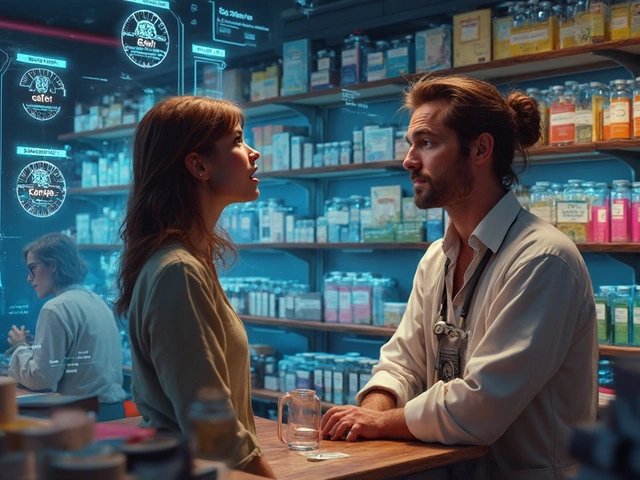

When you take a pill, an injection, or even a nasal spray, there’s a good chance it was made in a pharmaceutical cleanroom, a controlled environment designed to minimize airborne particles, microbes, and other contaminants during drug manufacturing. Also known as a sterile manufacturing suite, it’s not just a room—it’s the last line of defense between a medicine and a potential hazard. These spaces don’t just keep dust out. They’re engineered to block bacteria, viruses, and even static electricity that could ruin a batch or harm a patient. One particle in the wrong place can turn a life-saving drug into a deadly one.
Pharmaceutical cleanrooms follow strict rules, mostly from GMP compliance, Good Manufacturing Practices that ensure drugs are consistently produced and controlled according to quality standards. These aren’t suggestions—they’re legally enforced. The air inside is filtered through HEPA systems, workers wear full suits and masks, and every surface is wiped down hourly. Even the way you walk matters. Fast movements stir up particles, so training is part of the job. These environments also tie into contamination control, the systematic process of preventing unwanted substances from entering the manufacturing process. It’s not just about cleaning—it’s about designing every step to avoid contamination before it starts.
What you won’t see in the final product—the gloves, the airlocks, the humidity sensors—is what makes the medicine safe. The cleanroom doesn’t just protect the drug. It protects you. If you’ve ever wondered why some drugs cost so much, part of the answer is hidden behind those sealed doors. Building and maintaining these spaces takes serious money, training, and precision. That’s why you’ll find cleanrooms linked to posts about FDA drug approvals, sterile injectables, and even how medications like tolvaptan or ritonavir are made without risking infection. Below, you’ll find real-world examples of how these environments shape everything from antibiotic production to emergency drug recalls. This isn’t theory. It’s the quiet, critical system that keeps your medicine safe.

Cleanroom standards ensure generic drugs are as safe and effective as brand-name versions. Learn how air quality, particle control, and strict protocols protect drug quality-and why failing them can lead to recalls, fines, or worse.