
When someone overdoses on opioids, every minute counts. naloxone, a fast-acting medication that blocks opioid effects in the brain. Also known as Narcan, it can bring someone back from the edge of death in under five minutes. This isn’t science fiction—it’s a tool carried by first responders, family members, and even strangers who’ve learned to act fast.
Naloxone doesn’t work on alcohol, benzodiazepines, or stimulants. It only reverses overdoses caused by heroin, fentanyl, oxycodone, hydrocodone, and other opioids. That’s why it’s so specific—and so vital. If you’re taking opioids for pain, or live with someone who is, keeping naloxone nearby isn’t optional. It’s like having a fire extinguisher in the kitchen. You hope you never need it, but you’ll be glad it’s there when you do.
The rise of synthetic opioids like fentanyl has made naloxone more important than ever. Fentanyl is 50 to 100 times stronger than morphine, and even a tiny amount can stop someone’s breathing. A single dose of naloxone might not be enough. That’s why many people now carry two doses. And yes, you can get it without a prescription in most states. Pharmacies, community centers, and even some libraries hand it out for free.
It’s not just for drug users. Naloxone has saved the lives of people who accidentally took too much pain medicine, kids who found pills in a drawer, and older adults mixing meds with alcohol. It’s also used in hospitals, ambulances, and even by school nurses. The people who use it most often? Parents, partners, friends. The ones who know the signs: blue lips, slow breathing, unresponsiveness. You don’t need medical training to use it. The nasal spray is simple. Just point, press, and wait.
Some worry that having naloxone encourages drug use. But the data doesn’t back that up. Studies show that when naloxone is widely available, overdose deaths drop—not drug use. People who survive an overdose are more likely to seek help, not return to the same risk. Naloxone doesn’t fix addiction. It buys time. Time to call 911. Time to get treatment. Time to live another day.
You’ll find posts here that dig into how naloxone fits into broader drug safety, what happens after it’s given, and how to talk to loved ones about keeping it on hand. You’ll also see how it connects to other topics like opioid therapy risks, medication side effects, and how to report an overdose to emergency services. This isn’t just about one drug. It’s about knowing what to do when things go wrong—and having the courage to act.
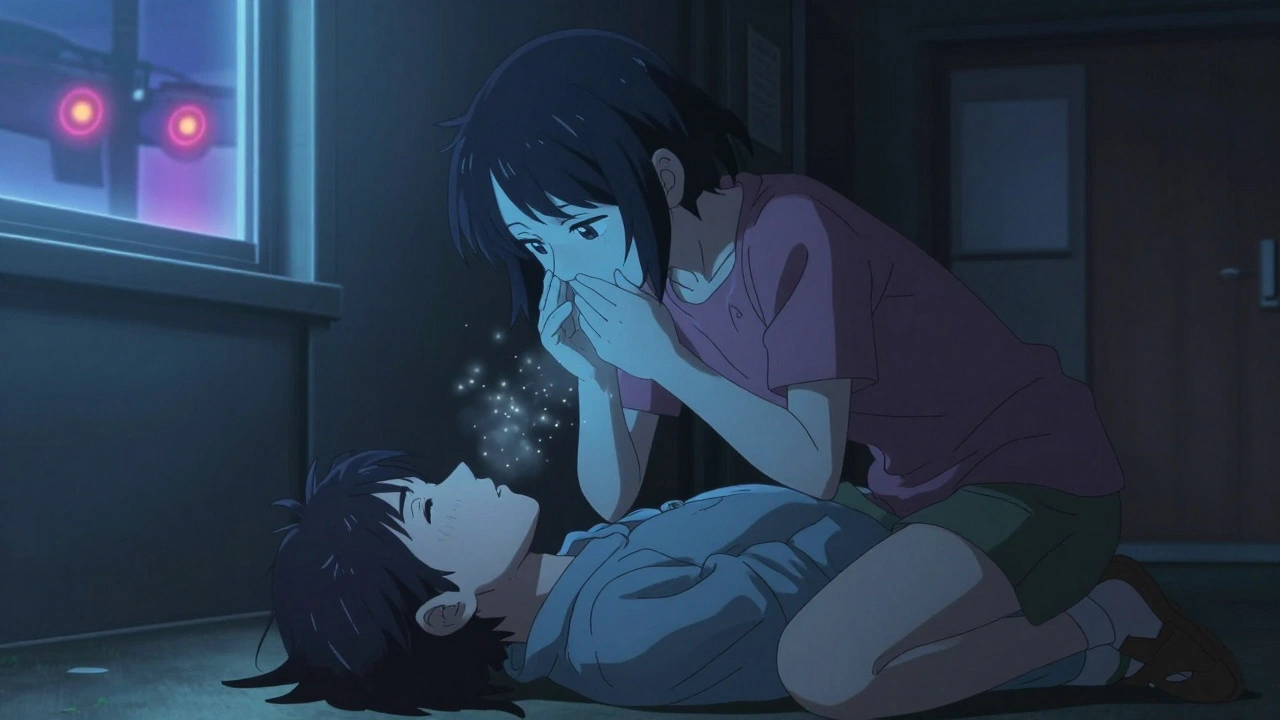
Learn the critical steps to take when someone may be overdosing - from calling 999 to giving rescue breaths and using naloxone. This guide gives clear, life-saving actions anyone can follow while waiting for emergency help.