
When you get older, your kidney function in seniors, the ability of the kidneys to filter waste and balance fluids as you age. Also known as renal function decline, it’s not a disease—but it’s a normal part of aging that can make you more vulnerable to side effects from medications, dehydration, and chronic conditions like high blood pressure and diabetes. By age 70, most people lose about 30-50% of their kidney filtering power compared to when they were 30. That doesn’t mean your kidneys are broken—it means they’re working with fewer filters, slower blood flow, and less ability to recover from stress.
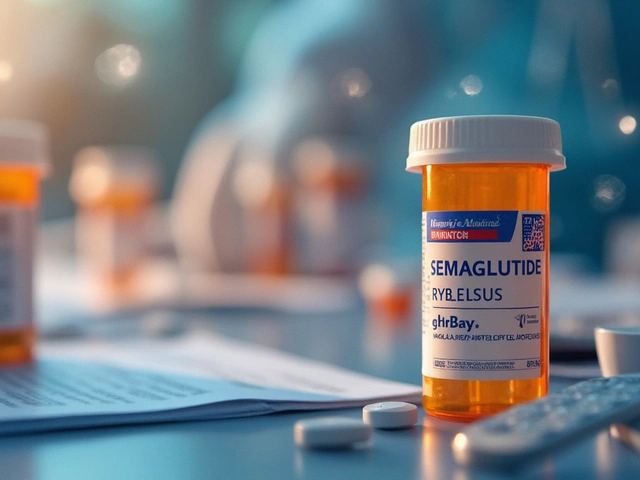
This slowdown affects how your body handles medications, drugs processed through the kidneys. Many common pills—like pain relievers, blood pressure meds, and even some antibiotics—stay in your system longer because your kidneys can’t flush them out fast enough. That’s why older adults are more likely to have bad reactions to drugs that are perfectly safe for younger people. It’s not the drug’s fault—it’s your kidneys’ reduced capacity. That’s why doctors often lower doses for seniors, even if lab tests still show "normal" kidney numbers.
Your kidneys also become less efficient at balancing salts and fluids. This means you’re more likely to get dehydrated from even a little less water, or to retain too much fluid if you eat salty foods. And because your body doesn’t signal thirst as strongly with age, you might not notice you’re running low until you feel dizzy or confused. That’s why drinking water regularly—even if you’re not thirsty—is one of the simplest, most powerful things you can do to protect your kidneys.
What you eat matters too. High-protein diets might sound good for muscle, but they force your kidneys to work harder. Too much salt raises blood pressure, which damages kidney filters over time. And if you have diabetes or high blood pressure, keeping those under control is the single biggest way to slow down kidney decline. Routine blood tests for creatinine and eGFR (estimated glomerular filtration rate) are the best way to track your kidney health—don’t wait for symptoms like swelling, fatigue, or changes in urination to appear.
Some conditions, like chronic kidney disease, a gradual loss of kidney function over months or years, can sneak up on seniors because early signs are easy to miss. Fatigue, poor appetite, trouble sleeping, and even mild confusion can be mistaken for normal aging. But catching it early gives you time to adjust meds, diet, and lifestyle to keep things stable for years.
The posts below cover real-world issues seniors face: how common drugs affect kidney health, what lab results really mean, how to avoid dangerous interactions, and what daily habits make the biggest difference. You’ll find practical advice on managing meds safely, spotting warning signs, and protecting your kidneys without needing a medical degree. No fluff. Just what works.
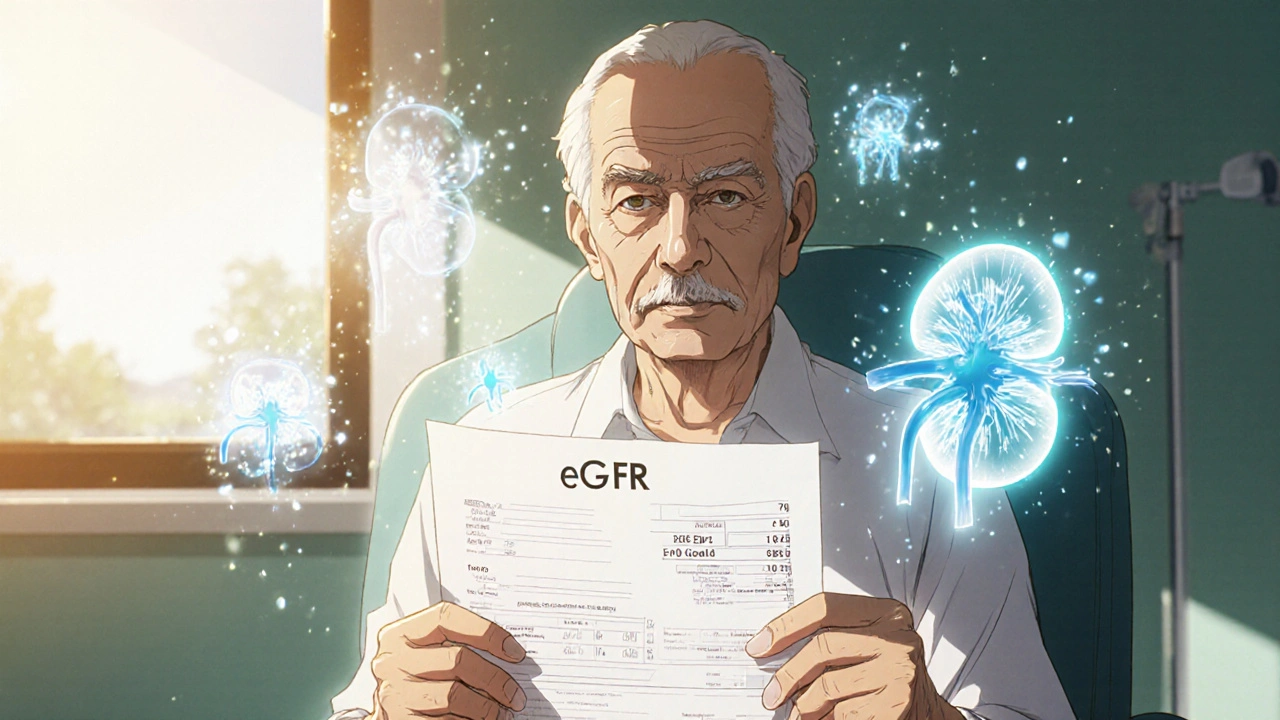
Learn how to accurately monitor kidney function in seniors to prevent dangerous medication overdoses. Discover which eGFR equations work best for older adults and what steps to take for safe dosing.