
When you mix spirits and medicine, alcohol can change how your body processes drugs, turning safe doses into dangerous ones. Also known as alcohol-drug interactions, this isn’t just a warning on a label—it’s a real risk that sends thousands to the ER every year. Whether it’s a glass of wine with your blood pressure pill or a shot of whiskey after your painkiller, the combination doesn’t just dull the edges—it can crash your system.
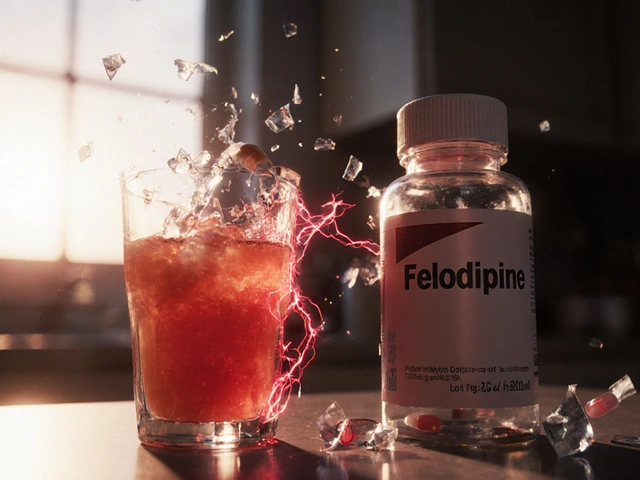
Take SSRIs, antidepressants that already cause drowsiness and dizziness. Adding alcohol? It multiplies those effects, making falls, poor judgment, and fainting far more likely. Or consider calcium channel blockers, medications used to control high blood pressure. Just like grapefruit, alcohol can spike their levels in your blood, dropping your pressure too low and leaving you lightheaded. Even something as common as ibuprofen, a simple pain reliever, becomes risky with alcohol—it’s a one-two punch to your stomach and liver. And if you’re on opioid therapy, for chronic pain, alcohol doesn’t just add to the sedation—it can stop your breathing. The CDC warns this combo is one of the leading causes of accidental overdose.
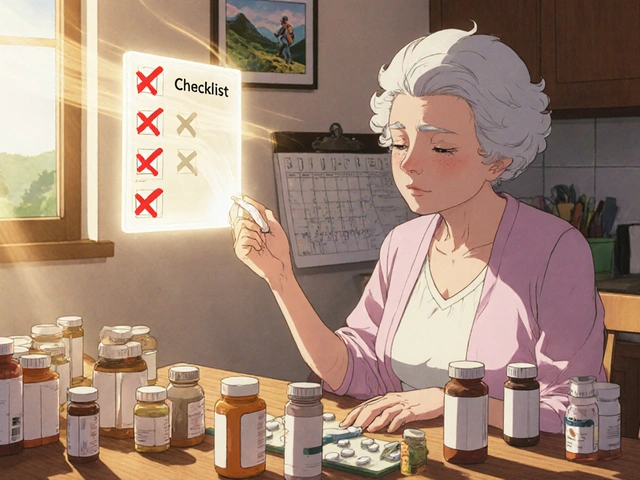
It’s not just about the obvious drugs. Even SGLT2 inhibitors, diabetes meds that flush sugar out through urine, can turn dangerous with alcohol. Both dehydrate you. Together, they can drop your blood pressure so low you pass out—or trigger ketoacidosis, a life-threatening condition. And if you’re older and taking multiple pills, as many seniors do, alcohol doesn’t just add to the list—it multiplies the chaos. Your liver slows down with age. It can’t clear alcohol or meds as fast. That means even a small drink can linger longer, building up to toxic levels.
Some people think, "I only have one drink," or "It’s just a weekend thing." But timing matters. A nightcap after your bedtime pill? It can wreck your sleep cycle, especially if you’re on meds that already cause insomnia. A beer with your antibiotics? It won’t kill you—but it can make your infection worse by weakening your immune response. And if you’re taking secnidazole, a single-dose treatment for parasites, alcohol isn’t just discouraged—it’s forbidden. Even a sip can trigger vomiting, flushing, and a racing heart.
You don’t need to give up alcohol entirely, but you do need to know what’s safe. Check your meds. Ask your pharmacist. Look for labels that say "avoid alcohol"—they’re not there by accident. And if you’re unsure, skip it. Your body doesn’t need the extra stress. Below, you’ll find real stories and science-backed guides on how common drugs react with alcohol, what symptoms to watch for, and how to protect yourself without giving up life’s little pleasures entirely.
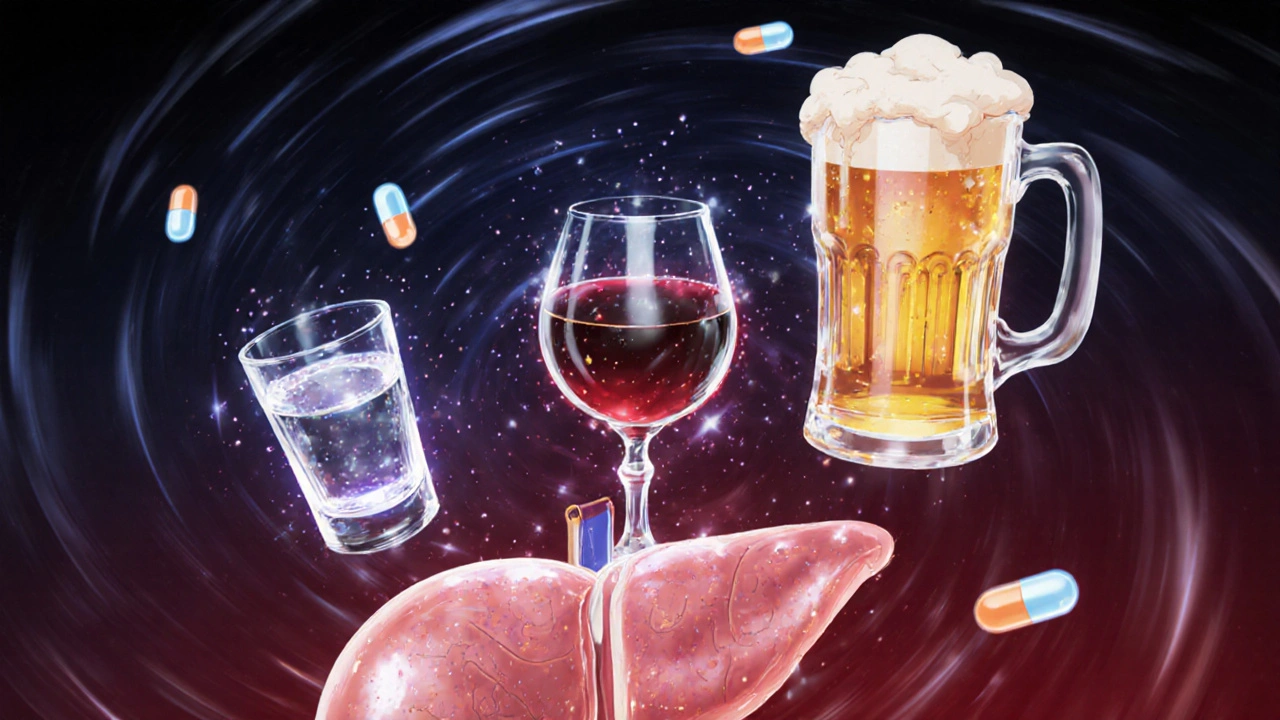
Mixing alcohol with medications is dangerous no matter the type-spirits, wine, or beer. Learn why one standard drink of any alcohol can cause serious, even deadly, interactions with common prescriptions.