
When opioid therapy, a medical treatment using drugs like oxycodone, hydrocodone, or morphine to manage moderate to severe pain. Also known as narcotic pain relief, it is one of the most effective tools for acute pain—but also one of the most dangerous if used long-term. Millions rely on it after surgery or injury, but for many, what starts as temporary relief turns into dependence. The CDC reports that over 70% of drug overdose deaths in the U.S. involve opioids, and nearly half of those are from prescription sources. This isn’t about street drugs alone—it’s about how a medically approved treatment can become a trap.
Opioid therapy doesn’t just carry the risk of addiction. It also causes opioid side effects, common reactions like constipation, drowsiness, nausea, and slowed breathing. These aren’t rare quirks—they happen in most users, even at normal doses. Long-term use can lead to tolerance, meaning you need more just to feel the same relief. And when you try to stop? opioid withdrawal, a harsh set of physical and mental symptoms including muscle aches, insomnia, anxiety, and vomiting—can feel like a bad flu multiplied by ten. That’s why many doctors now avoid opioids for chronic pain unless absolutely necessary.
There are better ways to manage pain. Physical therapy, nerve blocks, cognitive behavioral therapy, and even certain antidepressants or anti-seizure meds can help with nerve pain or arthritis without the risk of addiction. For some, non-opioid pain relievers like acetaminophen or ibuprofen, combined with lifestyle changes, work just as well—or better. Even when opioids are needed, short-term use under strict monitoring is safer than months or years of daily pills.
What you’ll find in these articles isn’t just a list of warnings. It’s a practical guide to understanding when opioids make sense, how to recognize the early signs of trouble, and what steps to take if you or someone you know is stuck in the cycle. You’ll see how lab tests help track liver damage from long-term use, how seniors are especially vulnerable to overmedication, and how tools like medication reviews and monitoring calendars can prevent harm. This isn’t about fear—it’s about control. Knowing the risks means you can ask the right questions, push back when needed, and choose safer paths when they exist.
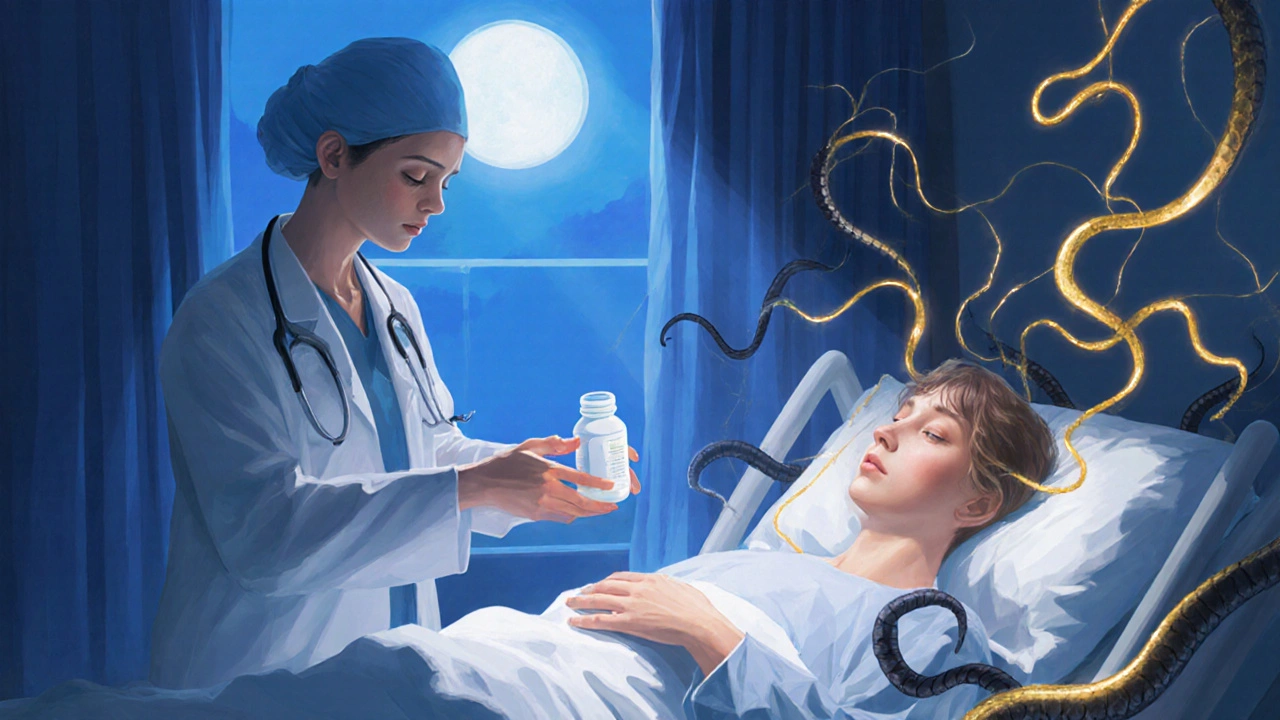
Opioid therapy can be necessary for severe pain but carries serious risks of dependence and overdose. Learn when it’s appropriate, how to reduce harm, and what alternatives exist under current medical guidelines.