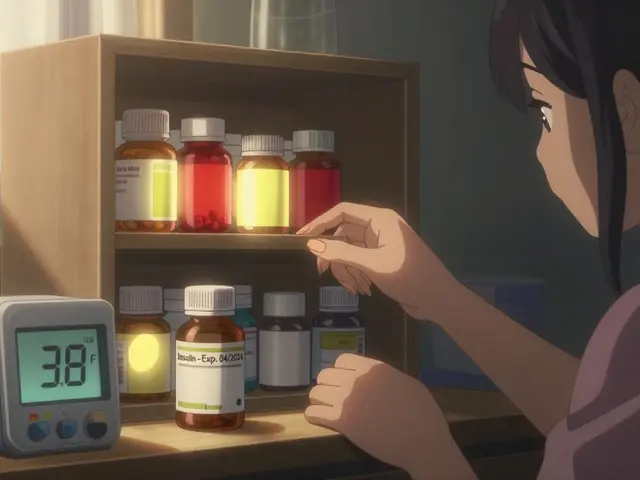

When you take a pill, your body doesn’t treat it the same way everyone else does. That’s because of gene-drug interactions, how your inherited DNA changes the way your body processes medications. Also known as pharmacogenomics, this field explains why some people get sick from standard doses while others need way more to feel any effect. It’s not about being "strong" or "weak"—it’s about your genes.
Your liver uses enzymes like the CYP450 enzymes, a family of proteins that break down over 70% of all prescription drugs to process medications. But if you have a genetic variation that makes these enzymes work too fast, the drug gets cleared before it can help. If they work too slow, the drug builds up and causes toxicity. This is why someone on warfarin might bleed out on a normal dose, while another person needs triple the amount just to thin their blood. The same goes for antidepressants, painkillers, and even statins. Your genes don’t just influence side effects—they can make a drug useless or deadly.
It’s not just about liver enzymes. Your kidneys, gut, and even brain receptors are shaped by your DNA. That’s why zinc supplements can ruin antibiotic absorption in some people but not others, or why grapefruit messes with blood pressure meds for some but leaves others untouched. It’s not random. It’s genetic. And right now, most doctors don’t test for it—because they weren’t trained to, and insurance rarely pays for it. But if you’ve ever had a bad reaction to a drug, or if a medication just didn’t work no matter the dose, your genes might be the reason.
This collection of articles dives into real-world cases where gene-drug interactions matter: how antibiotics lose power when taken with zinc, why grapefruit can crash your blood pressure, how alcohol turns a simple painkiller into a liver hazard, and why some seniors need to stop meds not because they’re old—but because their genes can’t handle them anymore. You’ll find guides on timing doses, spotting hidden risks, and asking your doctor the right questions to avoid dangerous mistakes. These aren’t theoretical risks. They’re happening to real people every day—people who didn’t know their genes were working against them.
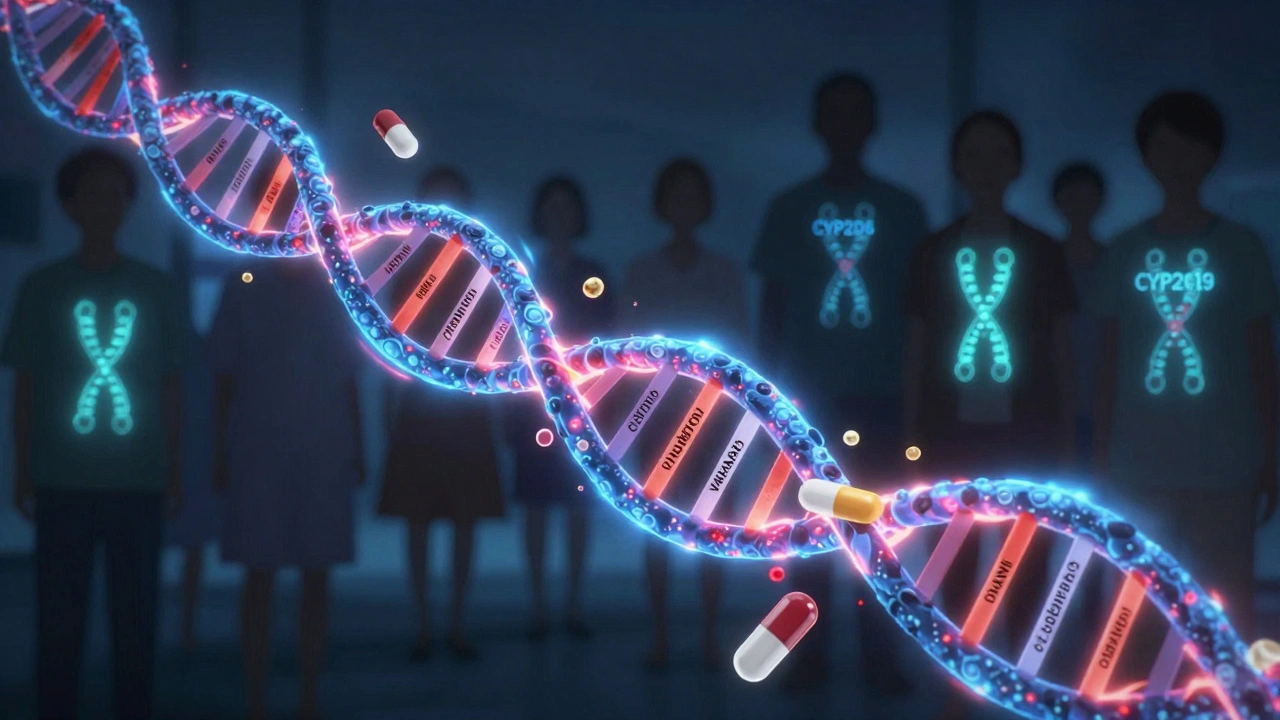
Pharmacogenetic testing analyzes your genes to predict how you'll react to medications, preventing dangerous side effects. Studies show it cuts adverse drug reactions by 30%, saving lives and healthcare costs.