

When your body makes too much catecholamine, a group of hormones including adrenaline and noradrenaline that control heart rate, blood pressure, and stress response. Also known as adrenaline excess, it can trigger sudden spikes in blood pressure, pounding heartbeats, and sweating — often without warning. This usually happens because of a rare tumor, most commonly a pheochromocytoma, a tumor that forms in the adrenal glands and overproduces catecholamines. Less often, these tumors grow outside the adrenal glands as paraganglioma, tumors that arise from nerve tissue and can also secrete excess hormones. These aren’t your typical tumors — they don’t always show up on regular scans, and their symptoms can mimic panic attacks or menopause. But left untreated, they can cause strokes, heart attacks, or sudden death.
What makes these tumors tricky is how they hide. One minute you’re fine, the next you’re drenched in sweat, your heart is racing, and your blood pressure is through the roof. These episodes often come in waves, triggered by stress, certain foods, or even changing positions. Many people go years misdiagnosed — told they have anxiety, migraines, or thyroid issues. But if you’ve had unexplained high blood pressure that comes and goes, or if your blood pressure spikes during routine checkups, that’s a red flag. Doctors test for these tumors with blood or urine tests that measure metanephrines — breakdown products of catecholamines. If levels are high, imaging like CT or MRI scans help locate the tumor. Surgery is the only cure, and it’s usually very successful if caught early. The key is recognizing the pattern before the tumor causes permanent damage.
What you’ll find below is a collection of real, practical posts that connect to catecholamine tumors in ways you might not expect. Some talk about how medications affect blood pressure and heart rhythm — crucial if you’re managing symptoms before or after surgery. Others cover lab tests, drug interactions, and how to track side effects that could signal something serious. You’ll see how people with rare conditions navigate complex treatments, monitor their health with calendars and checklists, and ask the right questions when doctors miss the signs. These aren’t just general health tips — they’re tools and insights from people who’ve been there, and they’re here to help you understand what’s really going on with your body.
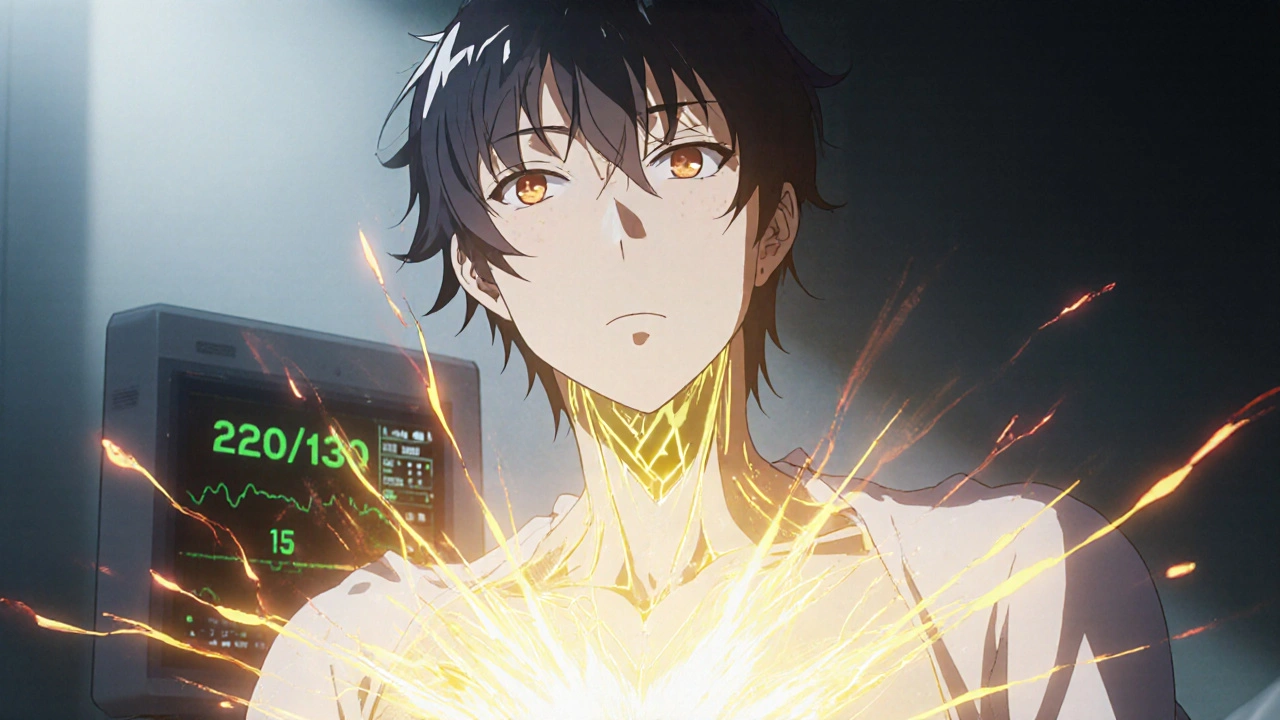
Pheochromocytoma is a rare adrenal tumor that causes dangerous spikes in blood pressure, sweating, and heart palpitations. Unlike common hypertension, it can be cured with surgery-but only if correctly diagnosed. Learn the symptoms, tests, and why pre-op preparation saves lives.