
When a medicine causes an unexpected or harmful reaction, that’s called an adverse event reporting, the system used to track harmful side effects from drugs, vaccines, and medical devices. Also known as pharmacovigilance, it’s how doctors, patients, and pharmacies flag problems that didn’t show up in clinical trials—because real people in real life react differently than controlled study groups. Without this process, dangerous side effects like liver damage from a new antibiotic or sudden heart rhythm changes from a common painkiller could go unnoticed for years.
It’s not just about big drug companies or hospitals. patient reports, direct submissions from people who’ve experienced side effects make up a huge part of the data. If you took a new medication and felt dizzy, broke out in hives, or had trouble sleeping for no clear reason, your report could help stop others from getting hurt. The FDA, the U.S. agency that approves and monitors drugs for safety collects these reports through MedWatch, and they’re used to update labels, issue warnings, or even pull drugs off the market. Think of it like a early warning system—except instead of weather, it’s watching for hidden dangers in your medicine cabinet.
Adverse event reporting isn’t perfect. Many people don’t report because they think it’s not important, or they don’t know how. Others assume the doctor already knows. But the truth is, doctors miss things too. A patient might not mention mild nausea unless asked, or a senior might chalk up confusion to aging. That’s why the system relies on you. When you report, you’re not just complaining—you’re helping shape safer prescribing habits. The posts below show real cases where side effects were missed, misunderstood, or finally tracked down: from zinc messing with antibiotics to SSRIs causing emotional numbness nobody talked about. Each one started with someone noticing something off and speaking up.
You don’t need to be a scientist to make a difference. You just need to pay attention to your body, write down what happened, and share it. The next time you take a new pill and feel something strange, don’t ignore it. That’s not just your problem—it’s part of a bigger safety net. Below, you’ll find real stories about how medications behave in the wild, what side effects actually look like, and how reporting them changes outcomes for everyone.
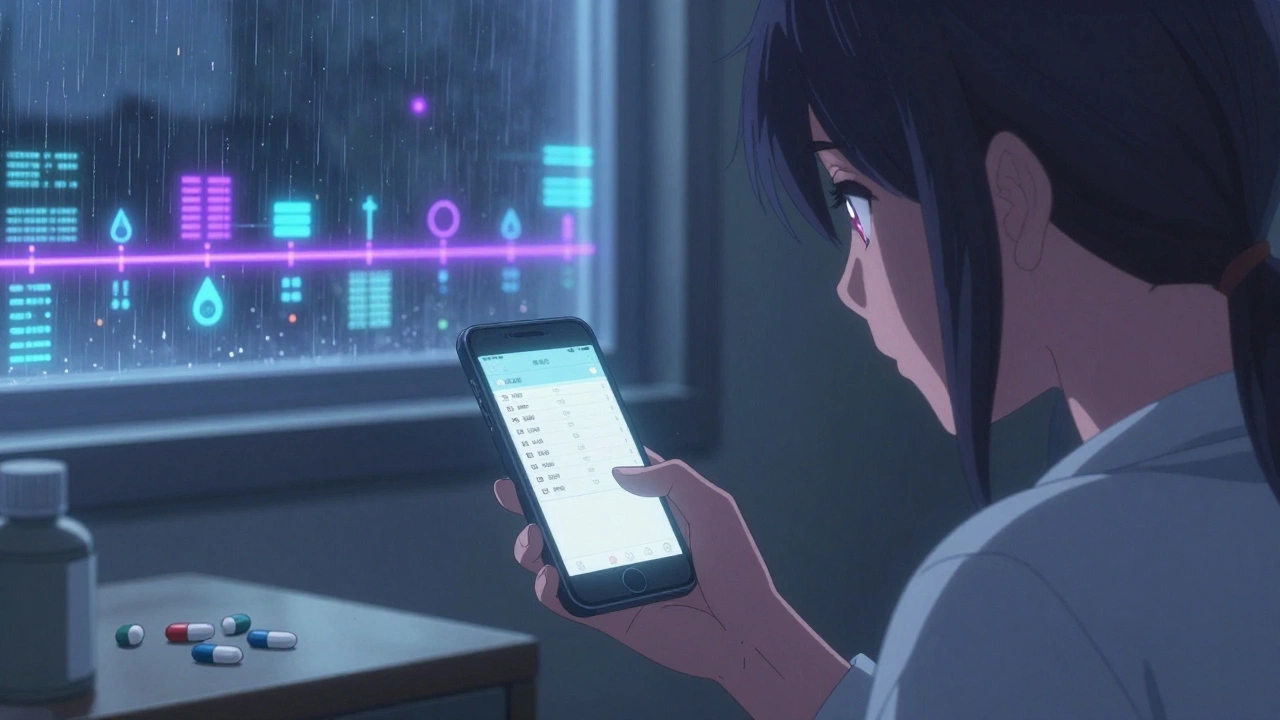
Learn how to clearly report medication side effects to your healthcare provider with specific details, tools, and communication strategies that improve safety and ensure your concerns are documented and acted on.