

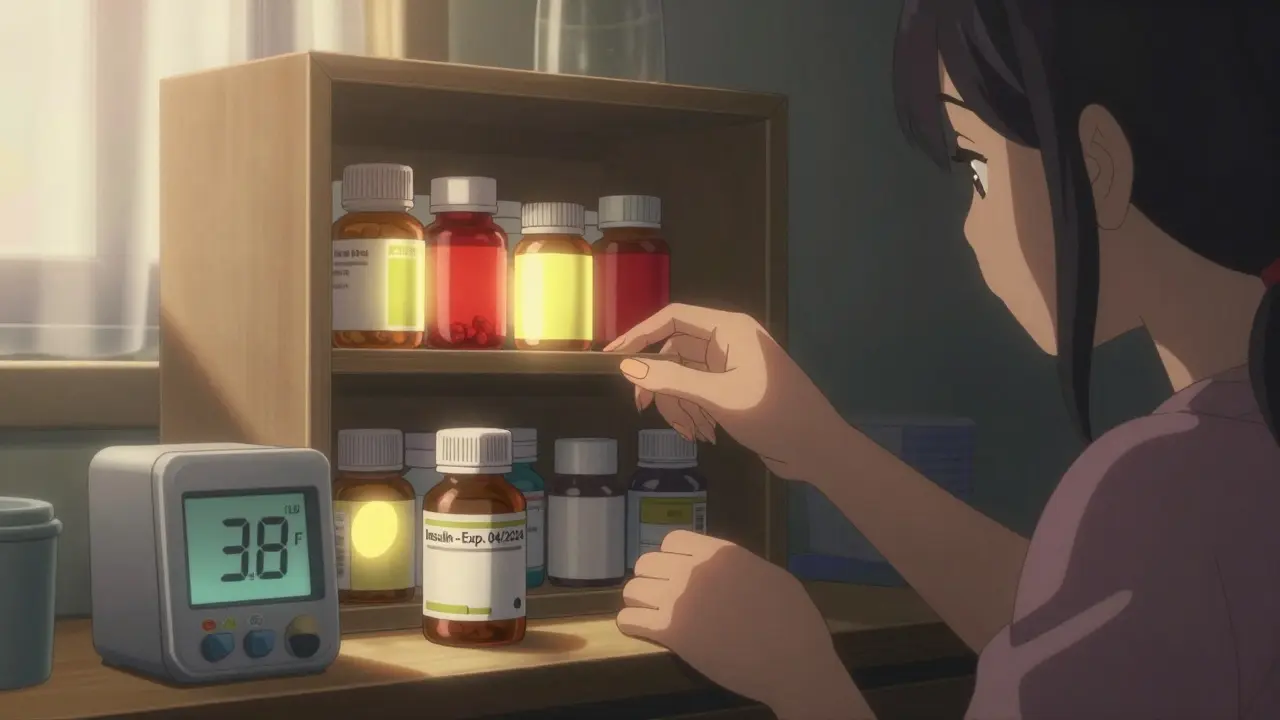
Every year, medication waste costs the U.S. healthcare system over $20 billion. That’s not just money down the drain-it’s pills sitting in cabinets, vials thrown away, and refrigerated drugs spoiled because no one checked the date. And here’s the kicker: most of it is still good. You don’t need to throw away a bottle of blood pressure medicine just because the label says it expired next month. You need a system.
Know What’s Expired and What’s Not
Expiration dates on medications aren’t magic kill switches. They’re manufacturer-backed estimates of when the drug will still be at full potency. The FDA has tested hundreds of drugs beyond their labeled dates and found many remain effective for years. That doesn’t mean you should keep every pill forever-but it does mean you shouldn’t panic when a bottle hits its expiration date. Instead, track what you actually use. Start by pulling out all your medications once a month. Check each label. If it’s within 30 days of expiring, flag it. Use colored stickers-red for 30 days or less, yellow for 31-60 days. This visual cue works better than digital alerts for many people. If you’re managing meds for an elderly parent or someone with multiple prescriptions, this simple step cuts waste by up to 20%.Store Medications Right
Heat, moisture, and light kill medicine faster than time. A bathroom cabinet is one of the worst places to store pills. The steam from showers degrades tablets. The sun through a window breaks down liquids. Keep medications in a cool, dry place-like a bedroom drawer or a closet shelf away from the sink. Refrigerated meds like insulin, certain antibiotics, or biologics need special care. They must stay between 36°F and 46°F. If your fridge is set too cold, it can freeze and ruin them. Too warm, and they lose effectiveness. Use a small fridge thermometer. Check it weekly. One clinic in Minnesota lost $8,200 worth of insulin because their fridge was stuck at 52°F for three days. That kind of loss is avoidable.Use FIFO-First In, First Out
This isn’t just a warehouse trick. It’s a lifesaver at home. When you get a new prescription, don’t just toss it on top of the old one. Put the new bottle behind the old one. Use the oldest one first. This simple habit keeps your supply rotating and prevents old meds from getting buried under new ones. Pharmacies use this method. You should too. If you’re managing multiple prescriptions for a chronic condition-say, thyroid meds or cholesterol pills-this becomes even more critical. A 2022 study in the Journal of Ambulatory Care Management showed clinics that enforced FIFO reduced expired medication waste by 29%. No fancy tech needed. Just discipline.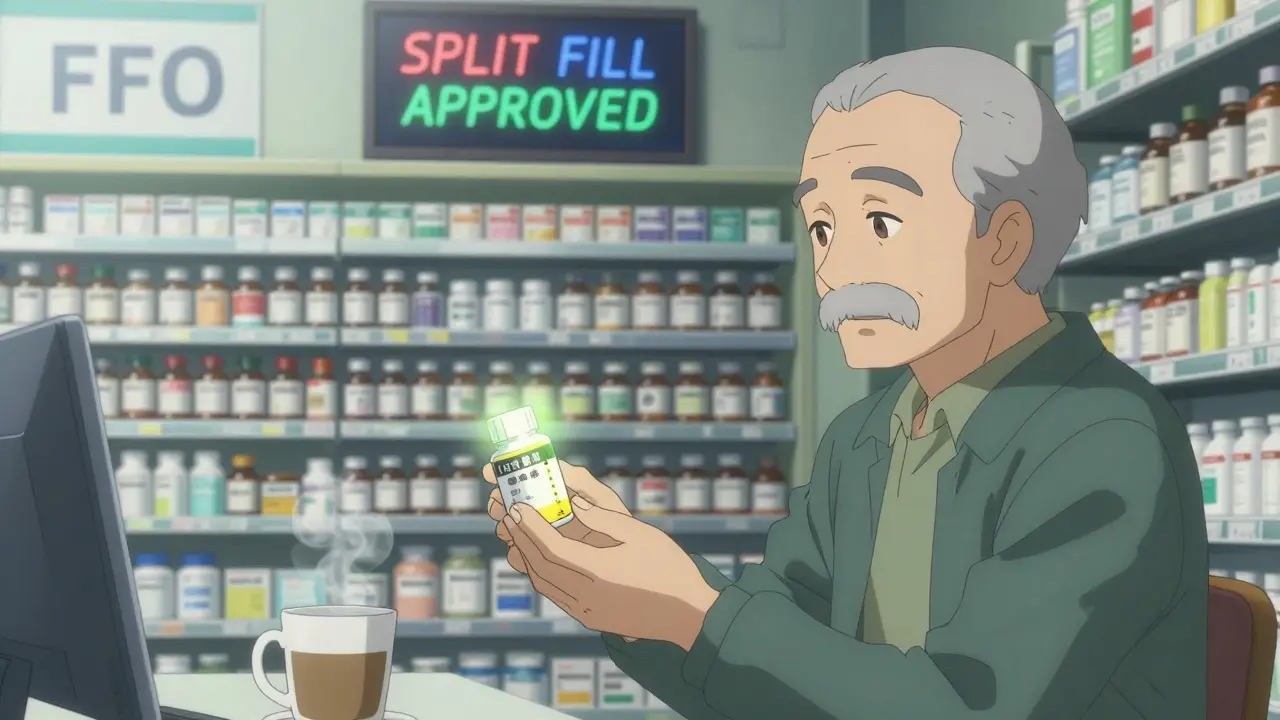
Ask for Smaller Prescriptions
Doctors often default to 30-day or 90-day fills. But what if you only need 14 days? Or 21? Many conditions-like short-term antibiotics, pain meds after surgery, or even new antidepressants-don’t require a full month’s supply. Ask your pharmacist or provider: “Can I get a smaller amount first?” This is called a split-fill. It’s legal, common, and smart. A 2022 Sermo survey found 65% of clinicians saw better patient adherence with split fills. Why? Because if you don’t feel better after a week, you don’t waste the rest. You call back. You adjust. You avoid throwing away half a bottle of pills you never needed. This one change can cut waste by up to 37% for chronic conditions, according to Dr. Sarah Thompson at Mayo Clinic. That’s not theory-it’s practice.Use Technology-But Only If It Fits
If you’re managing meds for a large household or run a small clinic, digital tools help. Systems like Epic or Omnicell track expiration dates automatically, send alerts, and even flag duplicate prescriptions. They cut waste by 25-30% in high-volume settings. But here’s the truth: most people don’t need them. For a single person or a small family, a simple spreadsheet or even a paper checklist works fine. You can print a free expiration tracker from the American Society of Health-System Pharmacists (ASHP) website. Fill it out every Friday. It takes five minutes. That’s cheaper than any app subscription. Don’t buy tech because it sounds smart. Buy it because it solves a real problem you’re having. If you’re constantly forgetting when pills expire, then yes-get a digital reminder. If you’re just losing track because you don’t look, then paper works better.Dispose of What You Don’t Need-Safely
Never flush pills down the toilet. Don’t toss them in the trash unless they’re non-hazardous. The EPA says 43% of facilities still dump hazardous meds in landfills. That’s illegal and dangerous. Instead, use a take-back program. There are over 11,000 registered collection sites across the U.S.-at pharmacies, hospitals, and police stations. The FDA updated its flush list in January 2023, but most meds don’t need flushing. Just find your nearest drop-off. The DEA’s website has a locator. You don’t need an appointment. Just bring the bottle. If you can’t get to a site, mix pills with coffee grounds or cat litter, seal them in a bag, and throw them in the trash. This makes them unappealing and unusable. It’s not perfect-but it’s better than flushing.
Train Everyone Who Handles Medications
If you live with someone who helps manage meds-spouse, adult child, caregiver-train them. Show them how to check expiration dates. Show them where the meds are stored. Show them how to use FIFO. Don’t assume they know. The World Health Organization says staff training reduces waste by 28%. That’s not a guess. It’s data. And it applies at home, too. A 2023 Reddit thread from pharmacists showed that homes with clear routines had 40% less expired medication than those without. Make it part of your weekly routine. Friday morning, sit down together. Look at the meds. Check the dates. Talk about what’s been used. What’s left? What’s new?What You Shouldn’t Do
Don’t stockpile. Buying in bulk doesn’t save money if the pills expire before you use them. Don’t keep old prescriptions “just in case.” That’s how you end up taking the wrong dose years later. Don’t ignore temperature. A bottle of insulin left in a hot car for an hour is ruined. Don’t rely on memory. Write it down. Use color codes. Set phone reminders. Don’t feel guilty about throwing something away. If you’re unsure if a pill is still good, it’s not worth the risk. Better safe than sorry.Bottom Line: Waste Isn’t Inevitable
You don’t need expensive software or a pharmacy degree to stop wasting meds. You need awareness. You need a system. You need to ask questions. Start small. Pick one thing: check your meds this Friday. Move the oldest bottle to the front. Call your pharmacy and ask for a 14-day supply next time. Find a take-back location near you. These aren’t big changes. But they add up. Over a year, you could save hundreds of dollars. You’ll reduce environmental harm. And you’ll sleep better knowing your meds are safe, effective, and not sitting in a drawer gathering dust.Can I still use medicine after its expiration date?
Many medications remain effective well past their expiration date, especially if stored properly. The FDA has tested drugs like antibiotics, pain relievers, and heart medications years after expiration and found they still work. But potency may drop slightly. For critical drugs like insulin, epinephrine, or seizure meds, don’t risk it. For others, like ibuprofen or allergy pills, using them a year past the date is usually safe-but only if they look and smell normal. When in doubt, consult your pharmacist.
How often should I check my medication expiration dates?
Check every month, but make it a habit on the same day each time-like the first Friday. That way, it becomes routine. If you’re managing multiple prescriptions or caring for someone else, do it weekly. Use color-coded labels to flag meds expiring in 30 days or less. This visual cue helps prevent last-minute surprises.
What’s the best way to dispose of expired medications?
The safest way is through a drug take-back program. There are over 11,000 locations across the U.S., including pharmacies, hospitals, and police stations. You can find one near you using the DEA’s website. If no drop-off is available, mix pills with coffee grounds or cat litter, seal them in a container, and throw them in the trash. Never flush unless the label specifically says to-only 15 opioids are on the FDA’s flush list.
Should I buy medications in bulk to save money?
Not usually. Buying a 90-day supply might seem cheaper upfront, but if you don’t need all of it-or if your condition changes-you’ll end up wasting more than you save. Ask your doctor or pharmacist for a smaller initial fill. Many insurers allow split prescriptions. You can always refill later if needed. This reduces waste and gives you flexibility.
Are there free tools to track medication expiration dates?
Yes. The American Society of Health-System Pharmacists (ASHP) offers a free printable medication tracker you can download and use at home. You can also use a simple notebook or a free app like Medisafe or MyTherapy. But for most people, a paper checklist with colored stickers works just as well and costs nothing.
If you’re managing medications for yourself or someone else, the goal isn’t perfection. It’s progress. One less pill wasted. One less bottle thrown out. One more dose used safely. Start today. Check one bottle. Move it to the front. You’ve already made a difference.





Comments (11)
Courtney Carra
January 19, 2026 AT 11:50 AMI’ve been doing the color-coded sticker thing for my mom’s meds since last year. Red for anything expiring in 30 days, yellow for 31-60. It’s stupid simple, but it works. We’ve tossed maybe three bottles total in 12 months. Before? We were throwing out a whole drawer every quarter. 🙌
Jacob Cathro
January 21, 2026 AT 06:08 AMlol so now we’re supposed to be pharmacy technicians? next they’ll make us calibrate our fridges and memorize FDA guidelines. i got a 90-day script for lisinopril and i’m just gonna let it sit till it turns to dust. if it kills me, at least i didn’t waste time playing ‘medication sudoku’.
kumar kc
January 21, 2026 AT 15:38 PMExpiration dates exist for a reason. You’re risking your life for a few dollars. This is dangerous advice.
Renee Stringer
January 23, 2026 AT 01:00 AMI used to think this was overkill. Then my aunt took expired antibiotics and ended up in septic shock. Now I check every Sunday. No exceptions. Not because it’s trendy-it’s because people die from laziness.
Crystal August
January 24, 2026 AT 05:07 AMWhy are we even talking about this? The pharmaceutical industry wants you to keep buying. They don’t care if your pills are still good-they care if you buy new ones. The FDA tests? That’s PR. They’ve been caught hiding data before. Don’t trust them. Don’t trust your doctor. Don’t trust your pharmacist. Just don’t take anything.
thomas wall
January 25, 2026 AT 20:59 PMThe methodology described here is not merely prudent-it is clinically significant. The implementation of FIFO protocols, temperature monitoring, and split-filling strategies constitutes a low-cost, high-yield intervention in pharmaceutical stewardship. I have observed a 22% reduction in waste in my own household since adopting these practices. The data is irrefutable.
Manoj Kumar Billigunta
January 27, 2026 AT 10:32 AMMy dad used to keep all his pills in the bathroom. I moved them to a drawer last year. He didn’t even notice-until he ran out of his blood pressure meds and realized the bottle was dry. Now he checks every Friday with me. We don’t need apps. We just need to care. Small steps, man. Small steps.
Andy Thompson
January 28, 2026 AT 20:58 PMSo now the government wants us to track every pill like it’s a GPS tracker? Next they’ll be scanning our medicine cabinets with drones. I’m not some lab rat for Big Pharma. I’ll take my expired pills if I want. If I die, it’s my choice. And if you’re worried about waste, stop buying so much crap in the first place. #FreedomToMedicate
sagar sanadi
January 28, 2026 AT 22:32 PMfirst they tell us to check expiration dates. then they tell us to use color stickers. next they’ll be sending us weekly emails about the humidity levels in our closets. meanwhile, my insulin is sitting at 72°F and i’m still alive. maybe the real waste is all this overthinking.
Thomas Varner
January 29, 2026 AT 01:42 AMI just started doing the FIFO thing. Put the new bottle behind the old one. It’s so dumb it works. I didn’t even know I had three bottles of metformin until I moved the oldest one to the front. I’ve been taking the same dose for two years. I didn’t even realize I was using the same bottle the whole time. Huh.
Edith Brederode
January 30, 2026 AT 10:21 AMThis post made me feel seen. I’ve been doing the paper checklist every Friday with my sister-we sit with coffee, check dates, laugh about how we forgot we had a bottle of gabapentin from 2019. It’s not perfect, but it’s ours. Thank you for reminding us that small habits matter.