

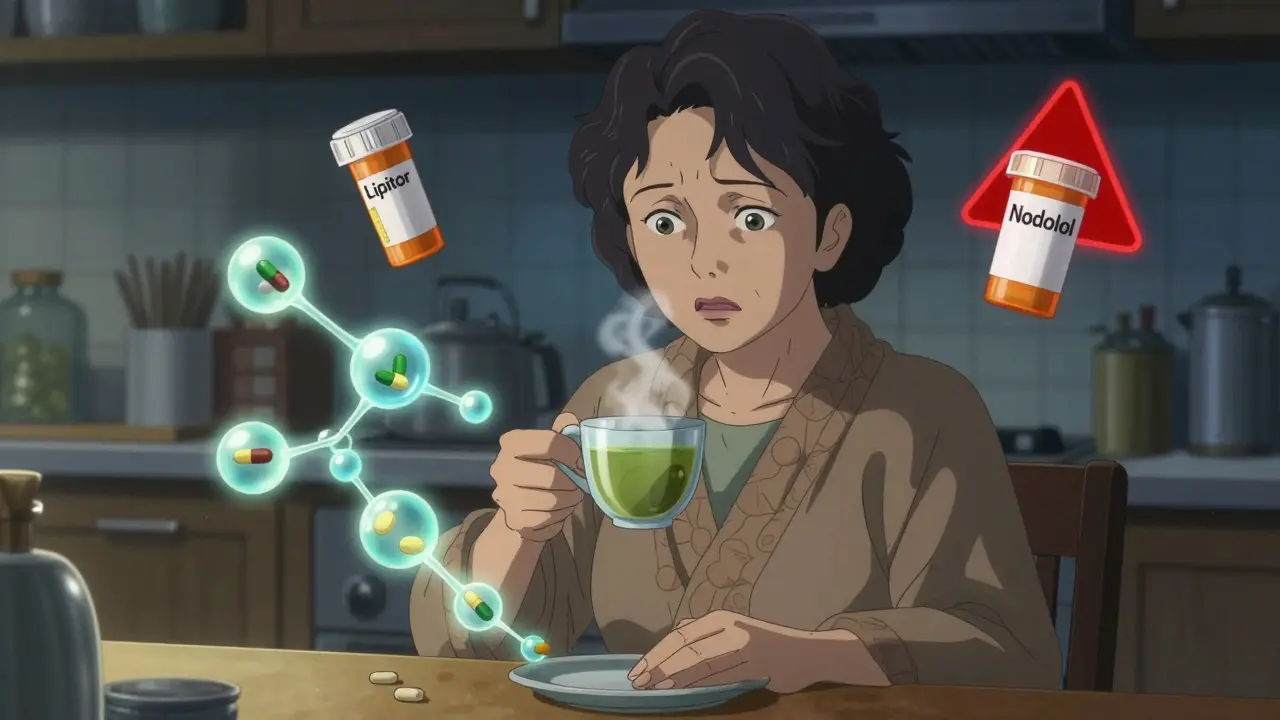
Many people drink herbal teas thinking they’re harmless - just a warm, natural drink. But if you’re taking prescription medications, that cup of chamomile, green tea, or hibiscus could be doing more than soothing you. It might be changing how your medicine works - sometimes in dangerous ways.
Why Herbal Teas Aren’t Just ‘Natural’ Drinks
Herbal teas aren’t made from tea leaves. They’re brewed from roots, flowers, seeds, or leaves of plants like chamomile, ginger, echinacea, or st. john’s wort. Because they’re sold as supplements or beverages, they don’t go through the same safety testing as drugs. That means manufacturers aren’t required to prove they’re safe to mix with medications. And many people don’t even think to tell their doctor they’re drinking them. The U.S. Food and Drug Administration (FDA) has warned that natural does not mean safe. In fact, the 2022 Mayo Clinic review found that nearly 70% of older adults use herbal supplements, but only about 25% mention them to their healthcare providers. That gap is where the real danger lies.How Herbal Teas Interfere with Medications
Herbal teas can mess with your meds in two main ways:- Changing how your body absorbs or breaks down the drug - Some compounds in tea block or speed up liver enzymes (like CYP3A4 or CYP2D6) that process medications. If your body breaks down the drug too fast, it won’t work. If it breaks it down too slow, the drug builds up and can cause toxicity.
- Amplifying or canceling out the drug’s effect - For example, a tea might make your blood thinner, or raise your blood pressure when you’re already on a drug to lower it.
High-Risk Herbal Teas and Their Dangerous Pairings
Some herbal teas have well-documented risks. Here are the ones you need to watch out for:Green Tea
Green tea isn’t just a morning pick-me-up. Its high concentration of epigallocatechin gallate (EGCG) can block key transporters in your gut and liver that move drugs into your bloodstream. This has been shown to:- Reduce atorvastatin (Lipitor) levels by 31-39% - making it less effective at lowering cholesterol
- Drop nadolol (a beta-blocker) levels by up to 85%
- Boost simvastatin levels by 2.3 times - raising the risk of muscle damage
St. John’s Wort Tea
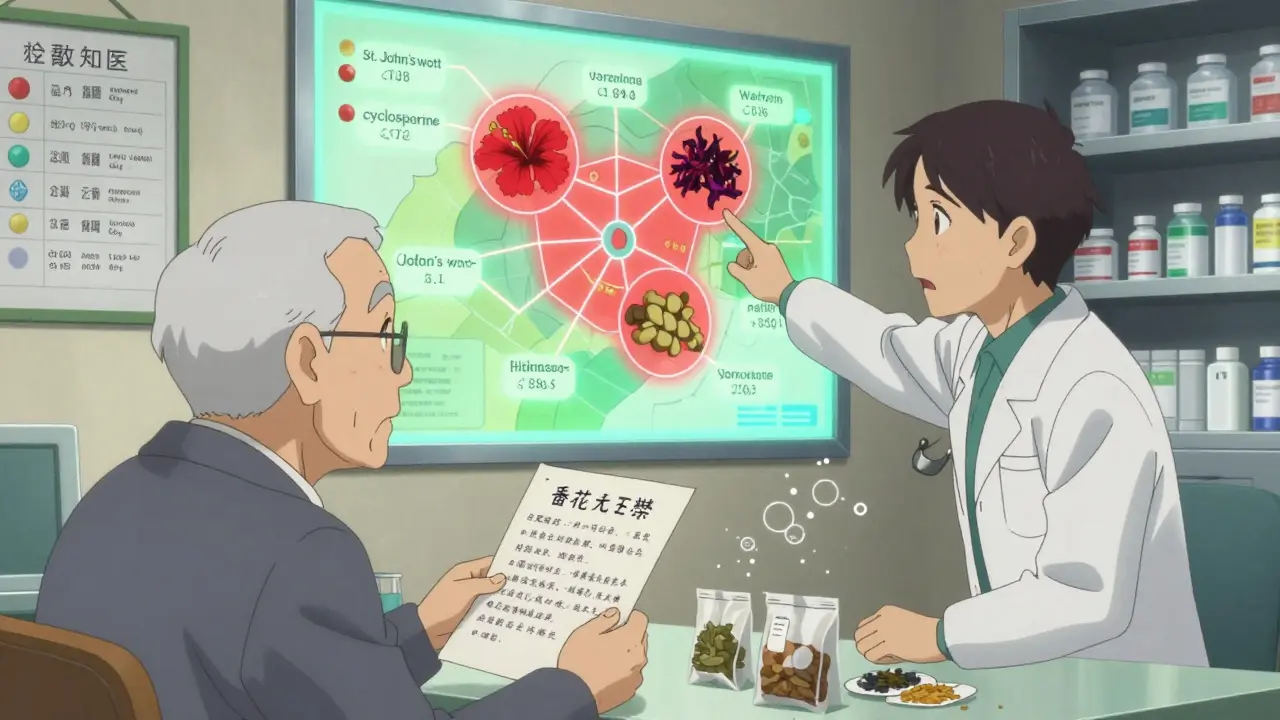
This tea is often used for mild depression. But it’s one of the most dangerous herbal teas for drug interactions. It activates a liver enzyme called CYP3A4 that speeds up the breakdown of many medications. This means:- Birth control pills may fail - leading to unintended pregnancy
- Antidepressants like SSRIs can cause serotonin syndrome
- Immunosuppressants like cyclosporine drop in level - risking organ rejection
- Warfarin becomes less effective - increasing clotting risk
Hibiscus Tea
Popular for its tart flavor and supposed blood pressure-lowering effects, hibiscus tea can be dangerous if you’re already on blood pressure meds. It acts like an ACE inhibitor - the same class as lisinopril or enalapril. When combined:- Blood pressure can drop too low - causing dizziness, fainting, or even kidney damage
- There are documented cases of systolic pressure falling below 90 mmHg
Chamomile Tea
Chamomile is often used for sleep or digestion. But it contains apigenin, which can interfere with how your liver processes hormones and drugs. Early research suggests it might:- Reduce the effectiveness of oral contraceptives
- Increase bleeding risk when taken with warfarin or aspirin
Goldenseal Tea
Often marketed as a cold remedy, goldenseal inhibits two major liver enzymes: CYP2D6 and CYP3A4. This affects over half of all prescription drugs, including:- Antidepressants
- Statins
- Anti-seizure drugs
- Some cancer treatments
Who’s at Highest Risk?
Not everyone needs to avoid herbal teas. But if you fall into any of these groups, you should be extra careful:- You take medications with a narrow therapeutic index - meaning the difference between a helpful dose and a toxic one is tiny. These include warfarin, digoxin, cyclosporine, theophylline, and lithium.
- You’re over 65 and take multiple medications (polypharmacy). Older adults are the most likely to use herbal teas and least likely to tell their doctor.
- You have liver or kidney disease - your body can’t clear herbs or drugs as efficiently.
- You’re scheduled for surgery. Herbal teas can interfere with anesthesia and increase bleeding risk.
What to Do - Practical Steps
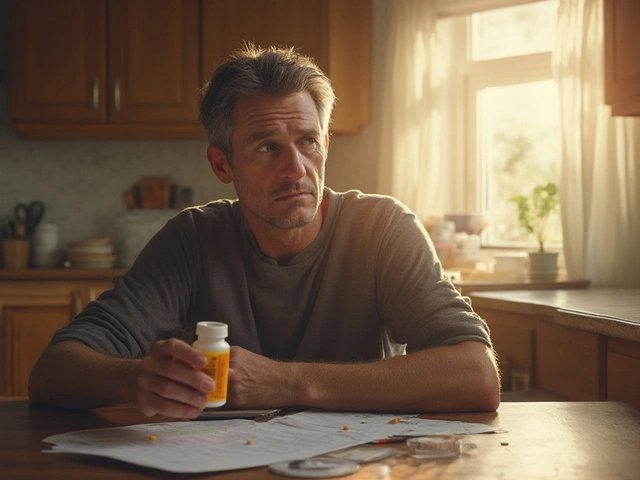
You don’t have to give up herbal tea entirely. But you need to be smart about it.- Make a list - Write down every tea you drink, how often, and how strong (e.g., “2 cups of chamomile daily”). Include any herbal supplements or blends.
- Bring it to every appointment - Whether it’s your doctor, pharmacist, or specialist, show them your list. Don’t assume they’ll ask. Most don’t.
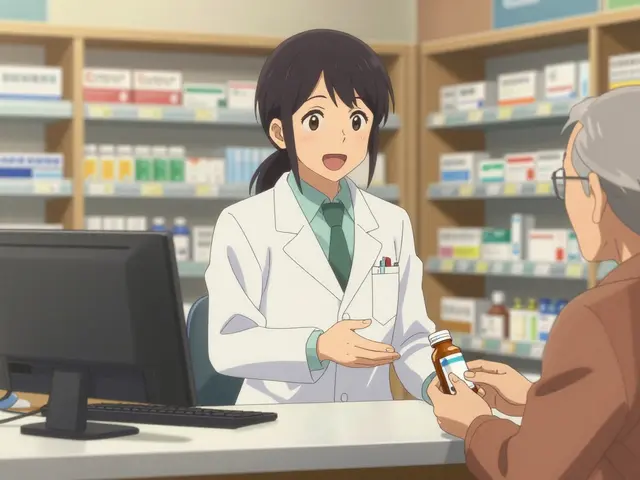
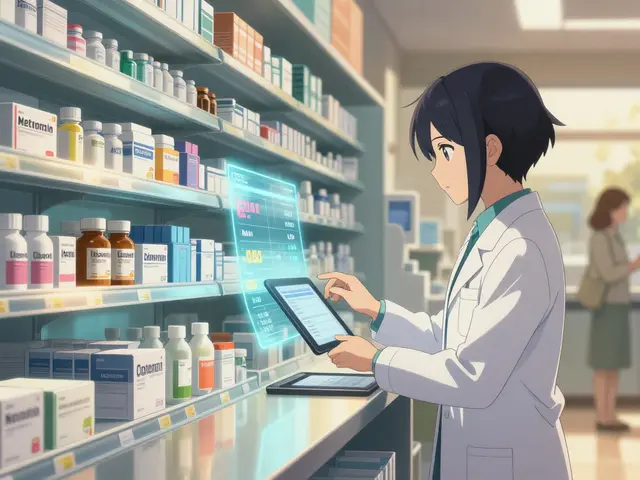
- Ask your pharmacist - Pharmacists are trained to spot interactions. Many pharmacies offer free med reviews. Use them.
- Avoid new teas while on critical meds - If you’re on warfarin, digoxin, or cyclosporine, stick to plain water or black tea until you’ve talked to your provider.
- Watch for warning signs - Unexplained bruising, dizziness, fatigue, irregular heartbeat, or sudden changes in blood pressure or mood could signal an interaction.

The Bigger Problem: Lack of Regulation
Herbal teas are sold as dietary supplements under the 1994 Dietary Supplement Health and Education Act. That means:- Manufacturers don’t need FDA approval before selling
- Labels don’t have to prove safety or potency
- There’s no standard for how much herb is in each tea bag
Final Advice: When in Doubt, Skip It
There’s no universal rule that says “all herbal teas are dangerous.” But there’s also no reliable way to know if your tea is safe with your meds - unless you’ve talked to a professional. If you’re on any of these drugs: warfarin, digoxin, cyclosporine, theophylline, lithium, statins, beta-blockers, antidepressants, or birth control - avoid herbal teas unless your doctor or pharmacist says it’s okay. For everyone else, moderation matters. One cup of a single-ingredient tea is far less risky than three cups of a multi-herb blend. And if you’re unsure? Skip it. Your meds are too important to gamble with.Can I drink herbal tea if I take blood pressure medication?
It depends on the tea and the medication. Hibiscus tea can lower blood pressure too much when taken with lisinopril or enalapril, causing dizziness or fainting. Green tea may interfere with beta-blockers like nadolol. Always check with your doctor or pharmacist before drinking herbal tea if you’re on blood pressure meds.
Is chamomile tea safe with birth control pills?
There’s growing evidence that chamomile may interfere with how your body processes hormones, potentially reducing the effectiveness of oral contraceptives. While human studies are limited, the risk is real enough that experts recommend avoiding chamomile tea if you rely on birth control pills. Switch to caffeine-free black tea or plain water instead.
Does green tea affect cholesterol medication?
Yes. Studies show that green tea can reduce blood levels of atorvastatin (Lipitor) by 31-39%, making it less effective at lowering cholesterol. It can also increase levels of simvastatin, raising the risk of muscle damage. If you take statins, avoid green tea or talk to your doctor about safe alternatives.
Are herbal teas regulated like drugs?
No. Under U.S. law, herbal teas are classified as dietary supplements, not drugs. This means they don’t need FDA approval before being sold, and manufacturers aren’t required to prove they’re safe or effective. Labels may not even list all ingredients accurately. That’s why interactions with medications are often unexpected.
What should I tell my pharmacist about my herbal teas?
Tell them the exact name of each tea, how often you drink it, and how strong it is (e.g., “I drink two cups of st. john’s wort tea every night”). Include any blends or multi-herb teas. Pharmacists can check for interactions with your current medications and warn you before a problem occurs.

Comments (12)
Aisling Maguire
February 27, 2026 AT 17:07 PMSo I’ve been drinking chamomile tea every night for years and just found out it might mess with my birth control? Holy crap. I thought it was just a chill herbal drink. My pharmacist just told me to switch to peppermint tea - apparently that’s way safer. Also, I didn’t even know green tea could tank my Lipitor. I’m going to start keeping a log. This post saved me from a potential disaster.
Gigi Valdez
February 27, 2026 AT 18:23 PMThe data presented here is methodologically sound and aligns with peer-reviewed clinical evidence on herb-drug interactions. The emphasis on pharmacist consultation is particularly prudent, given their unique training in pharmacokinetics and polypharmacy risks. A standardized patient intake form for herbal supplement use should be integrated into routine clinical workflows to mitigate underreporting.
Sumit Mohan Saxena
February 28, 2026 AT 23:41 PMAs a clinical pharmacist with over 18 years of experience, I have seen firsthand how herbal teas disrupt therapeutic drug levels. One patient on warfarin developed a life-threatening INR spike after consuming daily hibiscus tea. Another, on cyclosporine, rejected organ rejection due to St. John’s Wort. The FDA’s regulatory gap is not a loophole - it’s a liability. Always disclose. Always document. Always verify with your pharmacist - not Google.
Vikas Meshram
March 2, 2026 AT 10:37 AMYou people are so gullible. The FDA doesn't care about you. Big Pharma hates herbal stuff because it's cheap and natural. They don't want you to know this stuff. They profit off you being sick. Chamomile? It's been used for 2000 years. Green tea? It's healthy. You're being manipulated. I stopped taking my meds and switched to ginger tea. My blood pressure is better. Science is a lie.
Ben Estella
March 2, 2026 AT 22:55 PMLet me get this straight - some guy in India drinks a tea made from dirt roots and somehow it’s more dangerous than a pill made in a lab with 17-step quality control? This is why America’s health system is falling apart. You people treat herbal tea like it’s a drug because you’re too lazy to take a real pill. Just stop drinking the damn tea and take your meds like adults.
Jimmy Quilty
March 3, 2026 AT 16:35 PMDid you know the WHO and Big Pharma are secretly funding tea companies to push these 'natural' products? It’s all a cover. The real reason they don’t regulate herbal teas? Because they want you to get sick so they can sell you more expensive drugs. I stopped all meds and now I drink only organic, hand-picked, moon-phase brewed teas. My doctor’s office hasn’t called me since. Coincidence? I think not.
Sneha Mahapatra
March 4, 2026 AT 00:11 AMI’ve been reading this whole post and I just want to say - thank you. It’s so easy to feel alone when you’re managing meds and trying to stay gentle with yourself. I drink hibiscus tea for its color and taste, but now I’ve stopped. Not because I’m scared - but because I care. I showed my list to my pharmacist yesterday. She smiled and said, 'This is why we’re here.' It felt like being seen. If you’re reading this and feeling overwhelmed - you’re not alone. We’re all just trying to be healthy in a confusing world.
Byron Duvall
March 5, 2026 AT 22:59 PMWhy are we even talking about this? It’s all a distraction. The real problem is the government forcing us to take pills we don’t need. Herbal tea is just nature’s way of saying ‘stop taking the poison.’ I stopped my statin and now I drink ginger tea with lemon and honey. My cholesterol dropped. My energy soared. The system doesn’t want you to know this. They profit from your sickness. Wake up.
Angel Wolfe
March 7, 2026 AT 12:38 PMI used to take warfarin until I started drinking green tea. Now I don't need meds anymore. My doctor said I was fine. I think they're lying. I think the whole medical system is a scam. I read online that the moon controls your liver enzymes. I stopped drinking tea on full moons. My blood is perfect now. I don't need doctors. I need truth.
Eimear Gilroy
March 9, 2026 AT 05:55 AMWait - so if I drink one cup of chamomile tea at night, and I’m on birth control, how long should I wait before taking the pill? Or should I just switch to a different method? I’ve been doing this for years and never thought to ask. This is terrifying. I’m going to call my pharmacist tomorrow. Thank you for the clarity - I didn’t realize how much I didn’t know.
Ajay Krishna
March 9, 2026 AT 06:26 AMI’m a nurse in Mumbai, and I’ve seen elderly patients mix 7-8 different herbal teas with their heart meds. Many believe ‘Ayurvedic = safe.’ But safety isn’t about tradition - it’s about science. I now carry a printed handout in my pocket with the top 5 dangerous tea-med combos. I hand it out to every patient who says, ‘I just drink it for health.’ One small paper can prevent a hospital trip. We need more of this awareness.
Charity Hanson
March 9, 2026 AT 20:16 PMY’all, I’m a single mom in Lagos and I drink ginger tea every day for nausea. I’m on high blood pressure meds. I didn’t know it could be dangerous. I just found out my local pharmacy does free med reviews. I went today - they told me ginger is actually okay in small amounts, but hibiscus? Nope. I cried. Not because I’m scared - because someone finally listened. Thank you for this. I’m sharing this with my whole block.