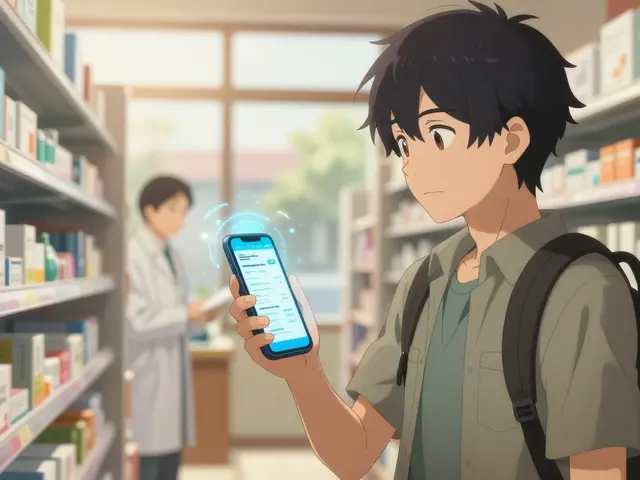

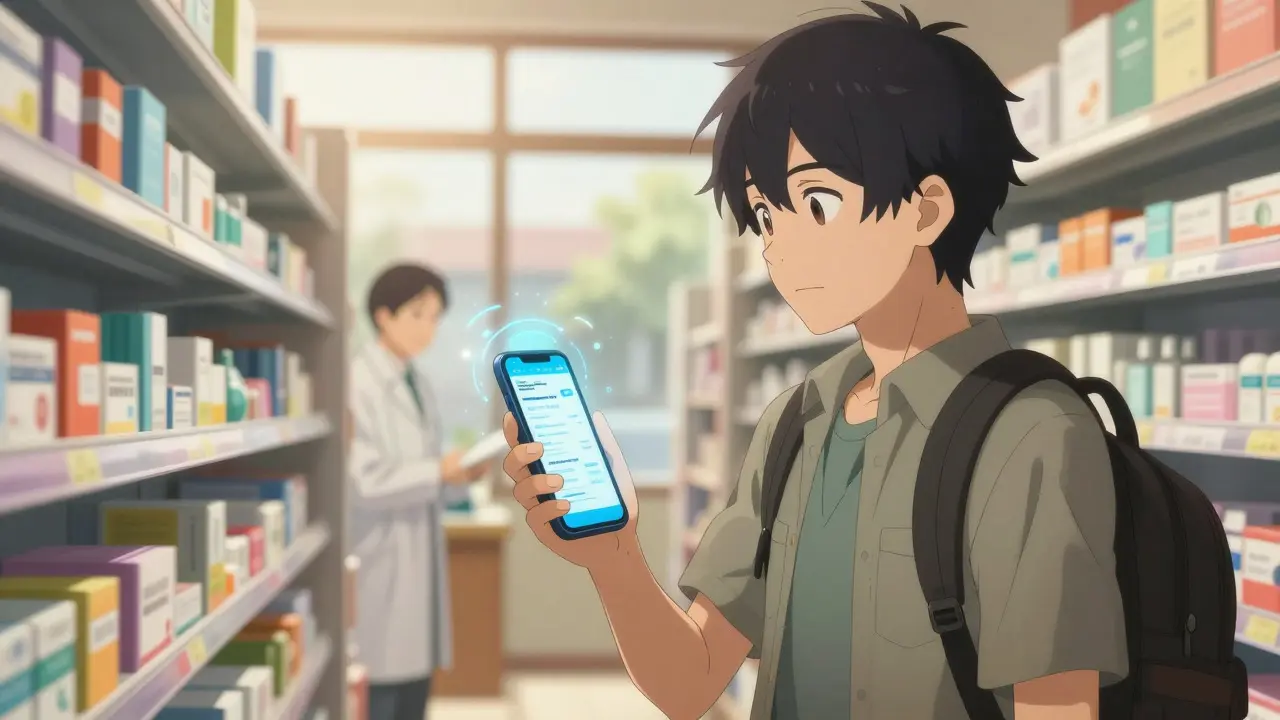
Imagine you are on vacation in Italy, and your blood pressure medication runs out. You head to a local pharmacy with your digital prescription from home. In the past, this was a nightmare of paperwork and uncertainty. Today, thanks to cross-border pharmacy services, that process is becoming smoother, faster, and safer across the European Union. But how does it actually work? And why do some patients still face hurdles while others glide through the system?
The movement of generic drugs and medications across national borders is no longer just a theoretical right; it is an operational reality for millions of EU citizens. The framework relies on a mix of updated legislation, digital infrastructure, and evolving industry standards. If you are navigating healthcare in Europe, understanding these mechanisms can save you time, money, and stress.
How the Digital Infrastructure Works
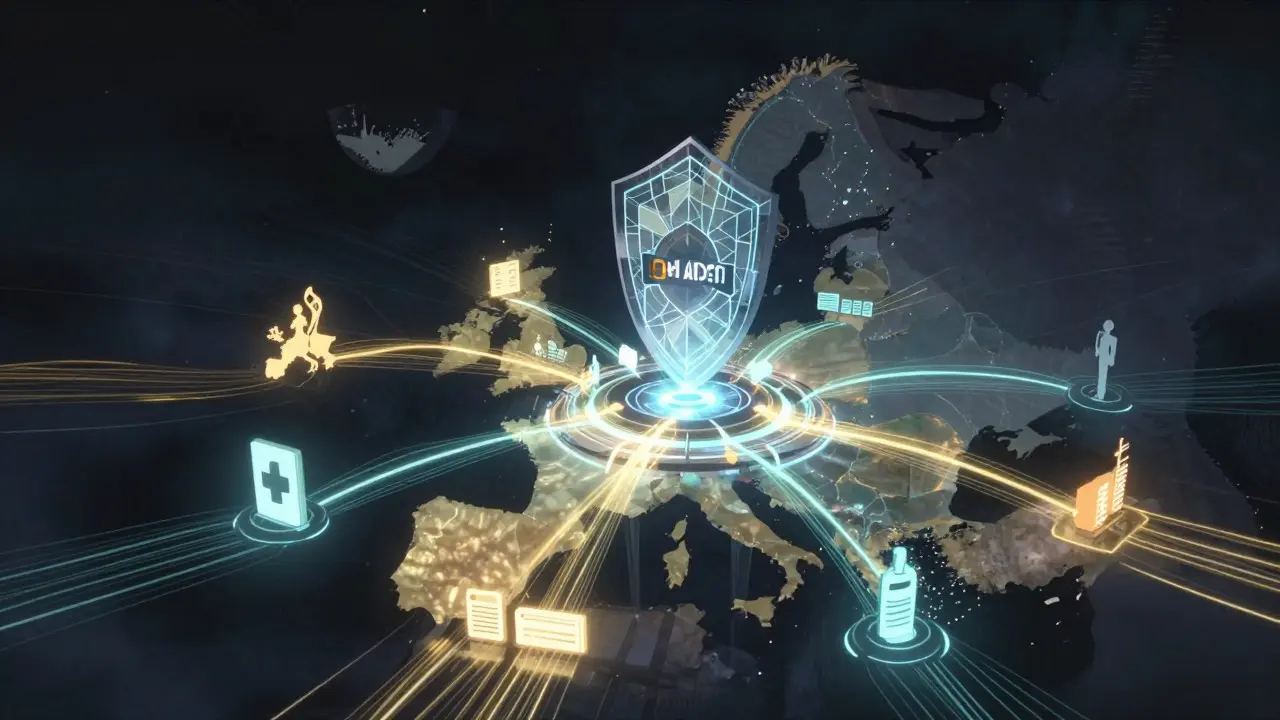
At the heart of this system is the eHealth Digital Service Infrastructure (eHDSI), now branded as MyHealth@EU. This is not just a website; it is a secure communication portal connecting national health systems across the continent. Think of it as the internet’s backbone for medical data, but with strict security protocols designed to protect sensitive patient information.
As of late 2025, this infrastructure supports two primary services:
- ePrescription/eDispensation: This allows you to obtain medication in a foreign pharmacy by transferring your electronic prescription securely from your country of residence. It is currently operational in 27 EU/EEA countries.
- Patient Summaries: These provide critical health information-such as allergies, current medications, and previous medical history-in the practitioner's language. This helps overcome linguistic barriers that often complicate cross-border care.
For example, if you log into Iceland’s national portal using electronic identification, you can authorize specific time periods or countries for health data sharing. Iceland completed its integration into this bidirectional exchange system by August 31, 2025, enabling seamless data flow between Nordic and continental European health providers.
| Component | Function | Status (2026) |
|---|---|---|
| ePrescription | Transfers prescriptions across borders | Operational in 27 EU/EEA countries |
| Patient Summary | Shares allergy/history data | Active, overcoming language barriers |
| National Contact Points | Monitors compliance and security | Mandatory under Regulation (EU) 2025/327 |
The Role of Generic Drugs in Supply Chains
Generic drugs play a crucial role in this mobility framework. Because they are chemically equivalent to brand-name medications but cost significantly less, they are often the first line of defense against medicine shortages. When one country faces a deficit, cross-border supply chains can redirect generics from surplus regions.
The European Association of E-Pharmacies (EAEP) highlighted this in their June 2025 Action Plan. They identified addressing medicine shortages through flexible cross-border supply chains as a top priority. Studies cited by Copenhagen Economics and IQVIA show that digital pharmacy services improve healthcare system efficiency, contributing to a 22% reduction in medication errors and a 17% improvement in chronic disease management compliance.
However, the market is not perfectly uniform. While the EU aims for harmonization, regulatory disparities persist. For instance, only eight EU countries have adopted comprehensive rules governing pharmacists' conduct in e-pharmacies. This creates an uneven landscape where your experience might differ drastically depending on whether you are traveling from Germany to Austria or from Ireland to France.
Regulatory Hurdles and Recent Changes
Even with advanced technology, regulations can trip up the process. The EU’s 2025 regulatory overhaul introduced significant changes that directly impact how prescriptions are handled.
In Italy, traditional pharmaceutical 'bollino' stickers were replaced with GS1 DataMatrix codes on prescriptions effective February 9, 2025. This shift standardizes verification processes but requires pharmacies to upgrade their scanning equipment. Similarly, the Critical Medicines Act mandates that marketing authorization holders proactively report supply and demand data. This transparency is vital for identifying shortages early and triggering cross-border relief efforts.
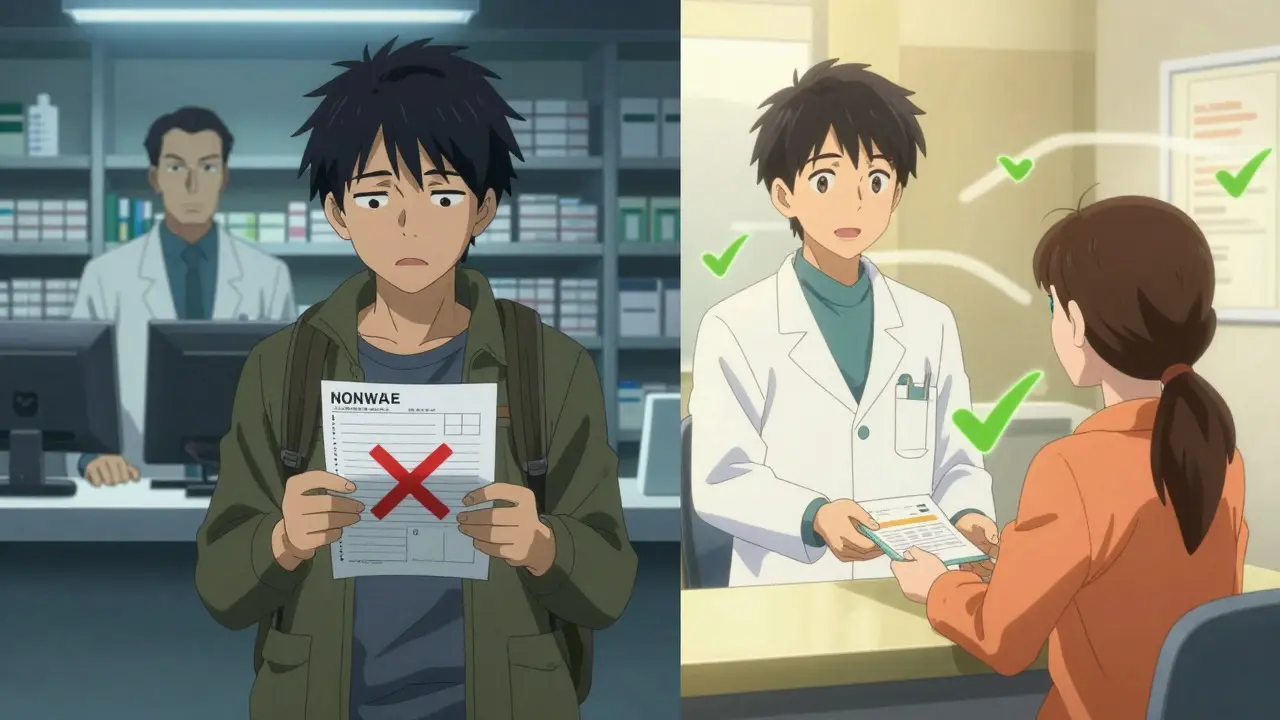
Not all borders are treated equally. Prescriptions issued outside the EU/EEA, such as those from UK-based telehealth services, are explicitly invalid in Ireland. Pharmacists there must screen prescriptions carefully, verifying consultation methods and prescriber contact details. If a patient arrives with a UK telehealth prescription, the pharmacist must reject it, leading to confusion and frustration. This highlights a key limitation: the system works best within the EU/EEA bloc, and external prescriptions often fall through the cracks.
User Experience: Successes and Frustrations
What does this look like for the average person? User experiences vary widely based on location and preparation.
In border regions like the Netherlands-Germany frontier, established cross-border healthcare networks facilitate smoother access. A survey by Copenhagen Economics found that 78% of patients in these areas reported successful cross-border prescription fulfillment. They benefit from proximity, shared languages, and long-standing administrative cooperation.
Contrast this with non-border regions, where success rates drop to 42%. Common complaints include inconsistent implementation of MyHealth@EU services and complex consent procedures. Many users find themselves stuck in multiple authentication steps just to authorize health data sharing. Reddit discussions in r/EUHealthcare document numerous cases where travelers experienced issues with specialized medications not available in the destination country, despite having valid ePrescriptions.
Irish patients, for example, have reported confusion when attempting to use UK telehealth prescriptions. The regulatory restrictions require pharmacists to reject these, leaving patients without immediate access to necessary treatments during emergencies. This gap underscores the importance of understanding local rules before traveling.
Practical Steps for Patients and Pharmacists
If you plan to rely on cross-border pharmacy services, here is what you need to know to ensure a smooth experience:
- Check Your Country’s Status: Confirm that both your home country and your destination participate in the ePrescription service. As of 2026, 27 EU/EEA countries are active.
- Prepare Your Digital ID: Ensure your electronic identification is set up and functional. You will likely need to log into your national portal to grant consent for data sharing.
- Carry Backup Documentation: While digital transfers are reliable, carrying a printed copy of your prescription and patient summary can help resolve technical glitches or language barriers.
- Verify Pharmacist Training: Pharmacists require approximately 40 hours of specialized training to manage cross-border workflows effectively. If you encounter difficulties, ask if the staff has undergone this training.
- Avoid Non-EU Prescriptions: If traveling within the EU, avoid relying on prescriptions from outside the bloc (like the UK) unless you have confirmed they are accepted locally.
For pharmacists, the learning curve involves mastering new software, understanding varying national formulations, and navigating consent protocols. The General Pharmaceutical Council’s February 2025 guidance emphasizes patient safety verification, requiring owners and Superintendent Pharmacists to implement robust distance service protocols.
Future Outlook: Where Is This Heading?
The trajectory points toward greater integration, but challenges remain. The EU cross-border pharmacy services sector is projected to grow at a 14.3% CAGR through 2030, driven by aging populations and increasing chronic disease prevalence. However, awareness among citizens lags behind. Only 38% of EU citizens are aware of their cross-border prescription rights, though this jumps to 72% in border regions.
Looking ahead, the European Commission plans to expand shared health data to include medical images, lab results, and hospital discharge reports by 2027. Complete electronic health records will follow thereafter. This expansion promises to further reduce medication access disparities, potentially by up to 35% by 2030, according to IQVIA forecasts.
Yet, fragmentation persists. Without swift, coordinated action to ensure regulatory alignment, digital inclusion will remain uneven. The tension between traditional brick-and-mortar pharmacies and digital e-pharmacy platforms continues, with the EAEP representing about 120 registered e-pharmacies across 15 EU countries seeking deeper integration into national healthcare systems.
Can I use my UK prescription in an EU pharmacy?
Generally, no. Prescriptions issued outside the EU/EEA, including those from UK-based telehealth services, are often invalid in many EU countries like Ireland. Pharmacists must verify prescriber registration and may reject these prescriptions due to regulatory restrictions. Always check specific country rules before traveling.
What is MyHealth@EU?
MyHealth@EU is the brand name for the eHealth Digital Service Infrastructure (eHDSI). It is a secure network connecting national health systems across the EU, allowing for the exchange of ePrescriptions and Patient Summaries between 27 participating countries.
Why are generic drugs important for cross-border mobility?
Generic drugs are cost-effective and widely produced, making them ideal for flexible cross-border supply chains. When shortages occur in one country, generics can be redirected from surplus regions, helping to stabilize access and reduce costs for patients.
Is my health data safe when using cross-border services?
Yes, the system uses strict patient consent protocols and secure communication portals. Users must actively authorize specific time periods or countries for health data sharing via electronic identification. Compliance is monitored by national contact points under Regulation (EU) 2025/327.
What should I do if my ePrescription fails abroad?
First, ensure you have granted consent in your national portal. Carry a printed backup of your prescription and patient summary. If issues persist, ask the pharmacist if they have undergone specialized cross-border training. In emergencies, seek local medical advice immediately.