
When you hear opioid risks, the dangers tied to prescription painkillers and illegal drugs like heroin that affect the brain’s reward system. Also known as narcotics, they’re powerful but carry serious consequences if misused. Millions take them for pain, but even a few days of use can start a chain reaction in the brain that leads to dependence. These drugs don’t just dull pain—they change how your body craves them. That’s why opioid addiction, a chronic condition where a person continues using opioids despite harm is so hard to break. It’s not a lack of willpower—it’s biology.
One of the most urgent opioid overdose, a life-threatening event caused by too much opioid slowing or stopping breathing happens when someone takes more than their body can handle, especially after a break in use. Tolerance drops fast. Someone who hasn’t used in weeks might take their old dose and stop breathing. Naloxone can reverse it, but only if it’s given in time. That’s why knowing the signs—slow breathing, blue lips, unresponsiveness—isn’t optional. And it’s not just street drugs. Prescription opioids like oxycodone, hydrocodone, and fentanyl patches have caused more overdoses than heroin in recent years. opioid dependence, a physical state where the body needs the drug to function normally often sneaks up quietly. You might not feel high anymore, but you can’t sleep, think, or move without it. That’s dependence. It’s not the same as addiction, but it often leads there.
What makes this even trickier is that many people start with a legitimate prescription. A back injury, surgery, or dental work can lead to a few weeks of painkillers. Then comes tolerance. Then higher doses. Then withdrawal when they try to stop. Doctors are getting better at spotting these patterns, but you need to be your own advocate. Ask: Is this the only option? How long am I really supposed to take this? What happens if I stop? The opioid risks aren’t just about getting hooked—they’re about losing control of your health, your time, and your future. The posts below cover real cases, monitoring tools, alternatives, and what to do if you or someone you know is struggling. No fluff. No scare tactics. Just what you need to know to stay safe.
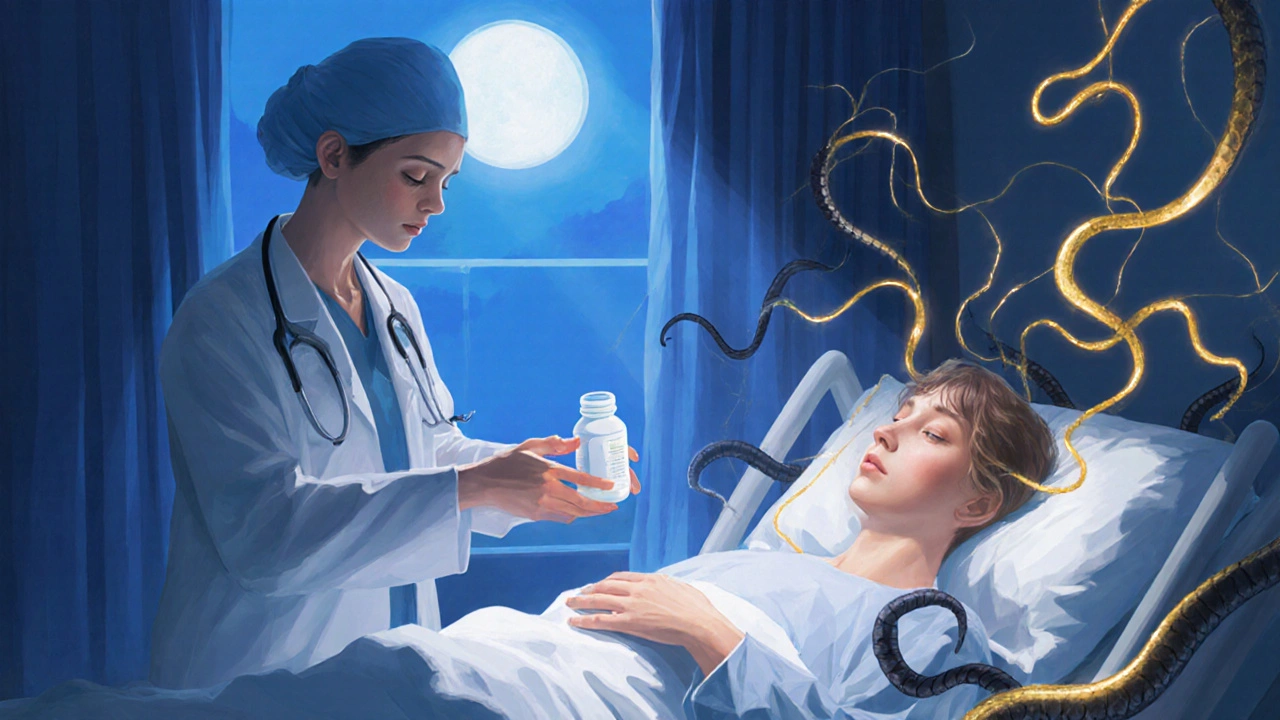
Opioid therapy can be necessary for severe pain but carries serious risks of dependence and overdose. Learn when it’s appropriate, how to reduce harm, and what alternatives exist under current medical guidelines.